


How to Recognize Good Honey
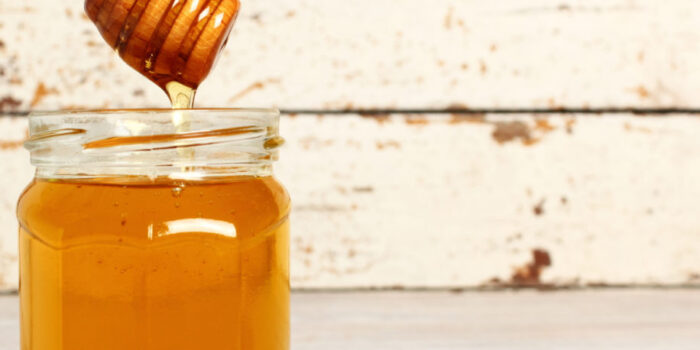
Liquid honey, flower honey, lavender honey, cold-extracted honey—the shelf is packed with so many options that it can be difficult to determine what really constitutes good honey. According to beekeeper Theo Coolen, it’s all quite simple: “Honey may only be called honey if it is 100 percent pure and comes from honeybees. As for the different names, that’s mainly marketing.”

Theo has been studying the art of making honey for more than twenty years. If anyone knows how to recognize good honey, it’s him.
‘It must taste more refined’
So, Theo: what’s the difference between a charming jar of honey from the farmers’ market at ten euros each and that one-liter jar at Lidl? A more refined taste? A better life for the bees? A stylish little jar?
According to Theo, it’s excessive to pay that much for honey. “Honey is by definition pure and natural because of the strict legislation and inspections. When additional ingredients are added, it may not legally be called honey. So the large one-liter jar from the supermarket is just as 100 percent pure and natural as the jar from that charming market.”
Organic honey—what is it?
Honey is always a natural product. But does that mean it can also be called organic? No, because that depends on whether the habitat of the bee colony is located in an area where conventional agriculture takes place. If bees collect nectar from flowers contaminated with pesticides—as is the case in conventional agriculture—those substances will also end up in the honey. A bee colony has a range of three kilometers.
So, to be certain that honey deserves the organic designation, bees must live at least three kilometers away from conventional farmland. According to Theo, it is therefore best to buy honey from countries with many contiguous natural areas, such as France, Poland and Germany. Then you can be sure it is organic.
Compare it to wine
Cheating with honey is difficult, because the precise geographical origin of the flower can be traced to within a few kilometers from the pollen grains in the honey. According to Theo, tasting honey can be compared to tasting wine. “You can really taste the differences between honey based on different flowers and regions.”
Fun fact: Bees are flower-loyal. This means they will make honey from the same flower throughout their lives and choose the flower species that is in the majority. This increases their chances of survival.
Also read:


