



Tips for the perfect wine glass
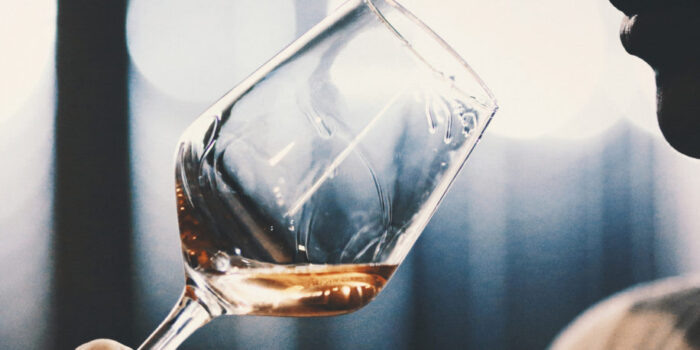
Your favorite wine tastes even better in the perfect glass. Because really: size does matter.

A different glass for every wine is going too far. But wine simply comes into its own better in a good glass. That’s why even a bit of an enthusiast drinks at least from a wine glass with a stem and a tulip-shaped bowl.
1. The stem
Even though stemless glasses are fun and especially idiot-proof, don’t do it! If you have to hold the bowl, the wine warms up (too) quickly. Not tasty with red wine, but our 37 degrees are far too warm for white wine. Those greasy fingers on your glass aren’t exactly nice to look at either. And your hand is also closer to your nose. There’s a good chance that perfume, freshly cut onions, or the fragrant toilet soap will blow away the wine’s delicate fruitiness. So we demand a proper stem.
2. The bowl
A good wine glass looks like a tulip: with a tapered top. This keeps the aromas in the glass longer. You smell more, and even the flavor improves: your brain is prepared for what’s coming. In such a tulip-shaped glass, you can also swirl the wine without spilling. That swirling adds more oxygen and therefore more aroma and a softer taste.
The shape also determines where the wine ends up in your mouth. And that spot affects what you taste, because sensitivity to sweet, sour, salty, bitter and umami (savory) varies across the tongue. That’s why wine comes across differently in every glass.
3. The size
The larger the glass, the more the aromas can circulate. And as the bowl gets wider, the surface area of the wine increases. This wine mirror creates more contact with oxygen. The classic Burgundy glass (like a fishbowl) has such a large surface and gives delicate aromas maximum room. Red blends are better poured into a somewhat slimmer glass, such as the traditional Bordeaux glass. The same goes for wine with a high alcohol content. The alcohol evaporates less quickly, which benefits the wine’s aroma.
The fresh acidity and aromas of light white wine are best captured in a smaller glass, while aromatic white wine is at its best in a lovely, generously rounded glass.
4. Crystal or glass
A well-made crystal glass has no seams and no thicker rim at the top. You have glasses made of glass (< 4 percent lead), crystal glass (> 10 percent lead) and lead crystal (at least 24 percent lead). The more lead particles—or lead substitutes—a wine glass contains, the thinner, lighter and more brilliant it is. And that makes for better drinking. As if there’s nothing between you and the wine. It also produces that pure ping when you toast. But crystal is fragile and rather expensive. Good alternatives made of platinum glass and teQton glass do have a crystal-like allure, but are considerably sturdier.
5. The brand
The Austrian brands Riedel (a suitable glass for every wine) and Zalto (mouth-blown) belong to the absolute top. Their glasses—from different series—are fantastic to drink from. You do pay around 25 to 35 euros per glass for them.
Spiegelau (platinum), Schott Zwiesel (titanium oxide) and Leonardo (teQton) have excellent glasses at a (slightly) lower price. And Royal Leerdam even offers the reasonably priced Experts’ Collection. Together with wine expert Barbara Verbeek, they designed five basic glasses based on the best-known grape varieties. With a fun twist: instead of the traditional champagne flute, there’s the somewhat wider lady coupe. For the ultimate bubble sniff.
Tips & tricks
• At home, you’re already well equipped with two sizes of wine glasses. One for white and one for red. Light reds can also go in the white wine glass, and fuller whites in the red.
• With a good wine glass, the opening is large enough for your nose. Tasting happens largely through that organ.
• A good wine glass is crystal clear: clean and without engravings. You even taste with your eyes.
• Fill a wine glass from one-quarter to no more than half full. That way you can swirl without spilling, and the aromas have room.
• Wash wine glasses by hand. Use warm water and, if necessary, a drop of dish soap. Let them drain and dry them with a clean, soft cloth.
• Don’t put wine glasses upside down, but store them upright on their stems. This prevents musty smells.
Read also:


