


An ode to oyster sauce
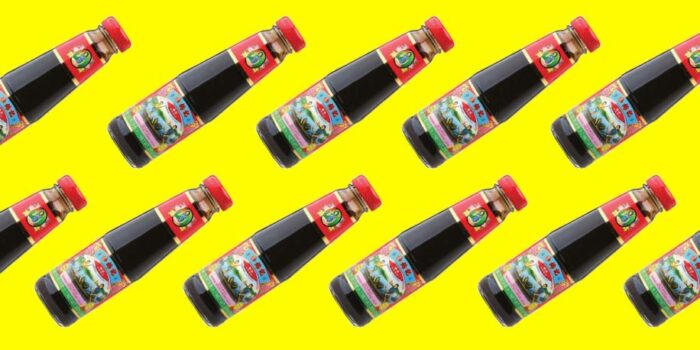
Oyster sauce: sweet, salty and savory, with a hint of caramel. Contrary to what you might expect, it tastes anything but fishy – more earthy, really – and is less salty than soy sauce. It’s not for nothing that this dark, syrupy sauce is considered the ultimate Cantonese flavor enhancer. I traveled to China with Lee Kum Kee, the inventor of oyster sauce, and fell head over heels for this flavor bomb.

Like soy sauce, oyster sauce is a staple ingredient in Cantonese cuisine. Remarkable, because while soy sauce is more than 2,500 years old, oyster sauce was invented by accident only 130 years ago. At an eatery in Guangdong province in southern China, chef Lee Kam Sheung forgot about a pot full of oyster broth that was simmering on the stove. Hours later, there wasn’t much left. What remained on the bottom was a concentrated, syrupy jus. A completely new and surprising flavor, which he decided to bottle and sell as ‘oyster sauce’.
The world is your oyster
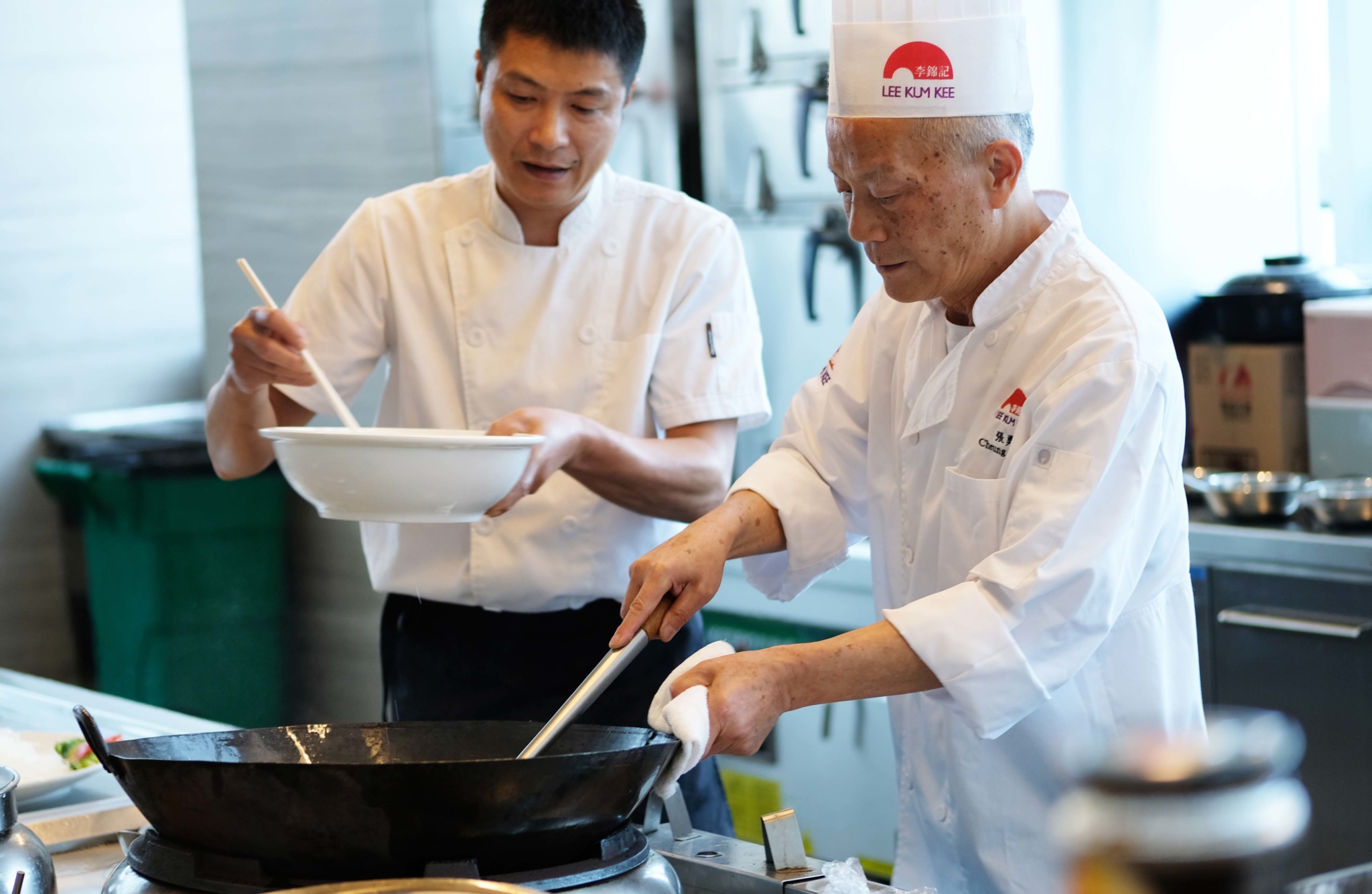
Lee Kam Sheung’s oyster sauce became immensely popular in southern China. To meet demand, he founded Lee Kum Kee, a brand that is now available worldwide. That in itself is quite an achievement, but even more important is the unmistakable influence of that one absent-minded day on the development of Cantonese cuisine, in which oyster sauce has become indispensable.
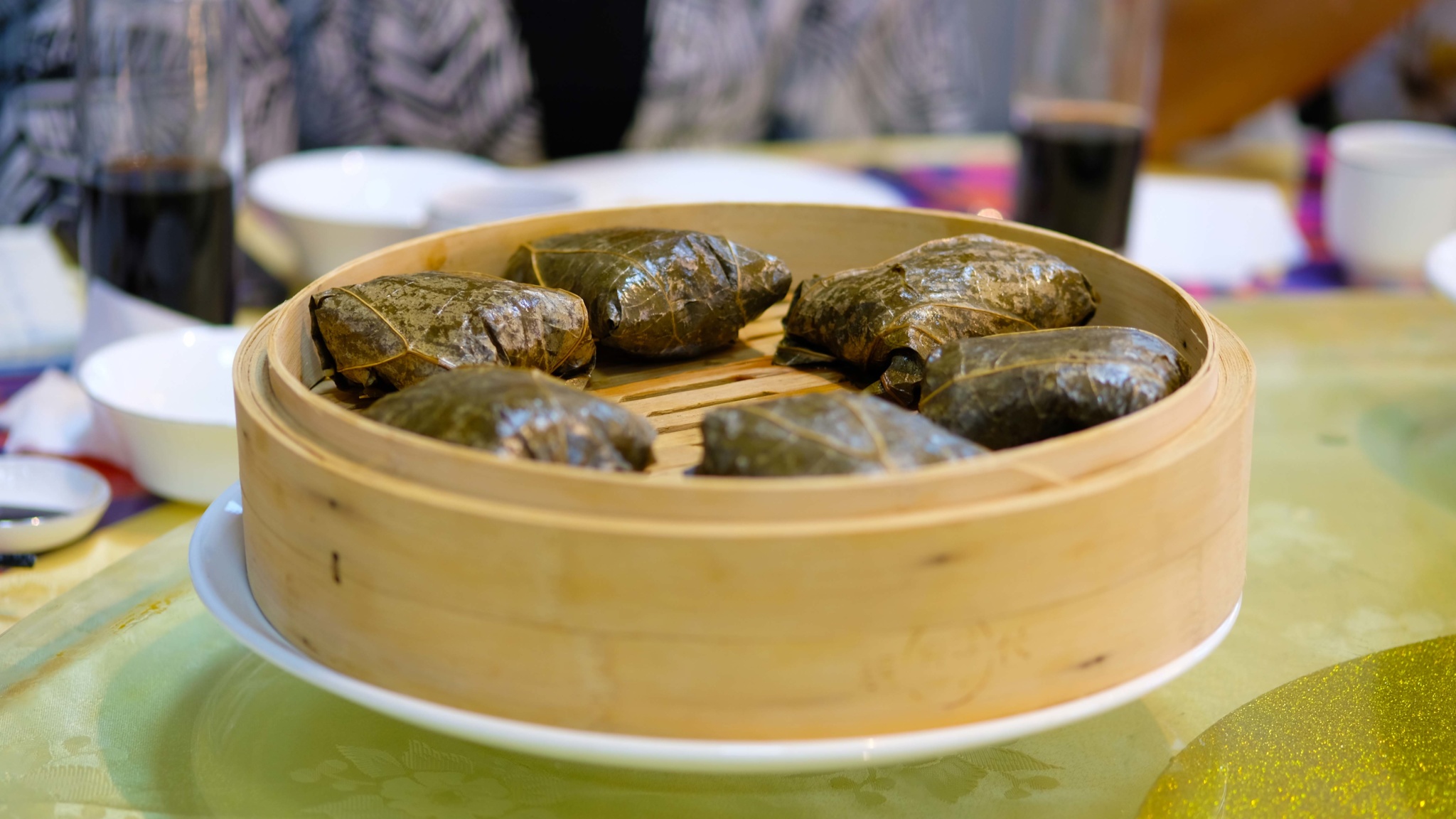
It is essential, for example, as a flavor enhancer in char sia bao, one of the most frequently ordered dim sum dishes. The rice noodle dish beef chow fun, available on practically every street corner, is also nothing without oyster sauce. And the sauce you get with cheung fun when having dim sum, or poured over those famous chicken feet? Yep, all based on oyster sauce. My personal favorite, lo mai gai, sticky rice in lotus leaves, can’t do without it either. In short: if you love Cantonese cuisine, you love oyster sauce.
For decoration
When I moved into student housing thirteen years ago, I first lived across from and later above an Asian supermarket. I did my shopping there (out of laziness and because it was cheap) and bought oyster sauce for the first time. Not to use, but for decoration. I thought the little bottle looked so cute. I probably threw it away after a while, because back then I never got much further than stir-fried noodles with shrimp, pak choi and chili sauce. Oyster sauce might actually have been pretty good with that in hindsight, but oh well.
By now, we’re more than ten years of cooking experience further along, and I still buy the same one: Lee Kum Kee’s premium oyster sauce. The bottle is virtually unchanged – although there is a more attractive woman on the label now – and to me, this sauce easily beats the rest. I’m not entirely sure what makes the difference, but I think it has to do with the higher percentage of oyster extract: that sticky, caramelized and therefore deliciously sweet flavor that serves as the basis for the sauce.
There is also a vegetarian version on the market. Shiitakes are used instead of oysters and although the flavor is genuinely different, it’s a good alternative for vegetarians and vegans who want to cook Cantonese food.
How to use it
Although I’m pretty much a freewheeler myself, you should be a little careful when using oyster sauce. It can quickly become overpowering. You use oyster sauce for its earthy, sweetish undertone and to give the other flavors in your dish a serious boost.
Cooking without a recipe? As a rule of thumb, it’s best to use 1 tablespoon of oyster sauce per 100 grams of vegetables, meat, fish, rice, noodles or whatever you’re making. Use it as a flavor enhancer in a marinade, to make a (dipping) sauce and in noodle and rice dishes, among other things. I’d almost say you can use it for anything, but then again, I also make pasta puttanesca with Vietnamese fish sauce. Start with the following easy recipes on Favorflav and get cookin’:


