


From lard to schmaltz: everything about cooking with animal fat
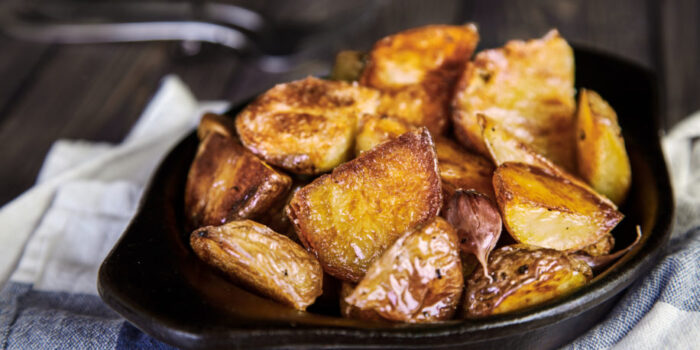
No one bats an eyelid when a recipe calls for butter or oil, but if you see that lard needs to go into your pie, you might be a little startled. Yet animal fats can give your baked goods the perfect texture or make the crispiest potatoes. Definitely worth trying, then.

This weekend I made a dish from one of my favourite cookbooks: Vet by Bas Robben. In his rice with duck fat, you first slowly render duck legs so the fat gradually releases from the skin. You set that fat aside and later spoon it over the rice and duck, which by then has been braised in, among other things, soy sauce and star anise. So insanely delicious that I wondered: Why don’t we cook with animal fat more often?
By animal fat, I don’t mean butter for now, because you probably already know that it makes scrambled eggs much more delicious. No, we’re talking about lard, beef dripping, suet, and goose, duck and chicken fat. Your grandmother probably thinks cooking with these types of fat is the most normal thing in the world, but these days we hardly do it anymore. What a shame.
Animal fats provide two very important things: flavour and texture. For confit de canard, you slowly cook duck legs in their own fat. You could just as well do that in oil, but using duck fat (or goose fat) makes the flavour much more intense. Potatoes fried in goose fat are insanely crispy; you’ll never achieve the same result with butter or oil.
Lard
The secret ingredient for flaky pastry? Lard! Don’t worry that your pie will taste like ham—the fat crystals in lard provide nothing but the most beautiful texture. Use it together with butter for the perfect pastry or the flakiest scones. Lard is also often used in English meat pies and Chinese pork pastries, and the result is truly astounding.
Mexican tamales aren’t the same without lard either. You can buy it from a good butcher, but you can also make it yourself by very slowly rendering bacon over low heat.
Schmaltz
Pork isn’t used in Jewish cuisine; chicken fat is used extensively instead. It’s also known as schmaltz. For example, fry chicken livers in it for gehackte leber. Mmmm. Ivan Ramen (whom you may know from Chef’s Table) also uses schmaltz to season his ramen, and it’s delicious for frying potatoes too.
You can sometimes find schmaltz at the butcher or poultry shop, but I strongly recommend making it yourself. Why? Slowly rendering chicken skin releases the fat. You collect that fat for cooking, but the skin is at least as delicious. I always roll chicken skin into a little log in cling film and freeze it for 2 hours. You can then easily cut it into thin strips, which you fry until crisp.
Those thin strips become the crispiest, most divine topping you’ve ever eaten. Think fried onions, but better. I also very often add fried shallots. Season them with salt and sprinkle them over everything. You’re welcome.
Duck and goose fat
Try slowly rendering a duck breast or leg sometime; an incredible amount of fat comes out. Delicious. Once you’ve eaten potatoes fried in duck fat, you’ll never, ever want anything else. The outside becomes so crispy and the potatoes so flavourful that you wouldn’t believe it. Restaurant Rijsel, for example, makes their incomparable potatoes in goose fat (check out the recipe here).
It’s also delicious for frying or confiting vegetables. Of course, you can make confit de canard with it, but it’s also wonderful for confiting garlic or tomatoes. It’s also Bas Robben’s favourite animal fat: “A major advantage is that you can buy it ready-made in a jar. That’s much easier than making your own lard. I use it for that rice with duck fat, but also for mayonnaise with nori, and of course I fry potatoes in it.”
Beef fat
The crispiest chips of all? Fry them in beef dripping, which is fat from cattle. It’s solid at room temperature, but melts when heated. Beef dripping gives chips a savoury flavour, but it absolutely doesn’t taste like meat. And honestly, you’ve never tasted a crispier chip.
You can also buy suet from the butcher. This is the fat surrounding the kidneys of cattle or veal calves, and it’s firmer than beef dripping. You can therefore cut it into pieces and mix it into, for example, a meatball. The fat melts during cooking and makes the juiciest meatball. For our ultimate meatball, we use minced veal and veal suet. The best combination ever.
Is animal fat always better?
We should all cook more with animal fat, but is it good in every dish? We asked Bas. “The major difference between animal fat and vegetable fat (with the exception of coconut fat) is that animal fat is solid at room temperature. The flavour of animal fat is much richer and more viscous than that of oil. So I wouldn’t use lard to finish a pasta dish; for that, I’d simply recommend olive oil.”
Storage
To start cooking with animal fat, you don’t immediately have to buy a pound of lard from the butcher; you can simply save it when preparing meat. Are you frying duck breast or chicken thighs? Pour off the fat that comes out and let it solidify. The same applies to the fat released by bacon or pork belly. Don’t throw it away—just put it in the fridge and use it for frying next time. Those crispy potatoes, for example.
Also read:


