


How to prevent your cake from sinking
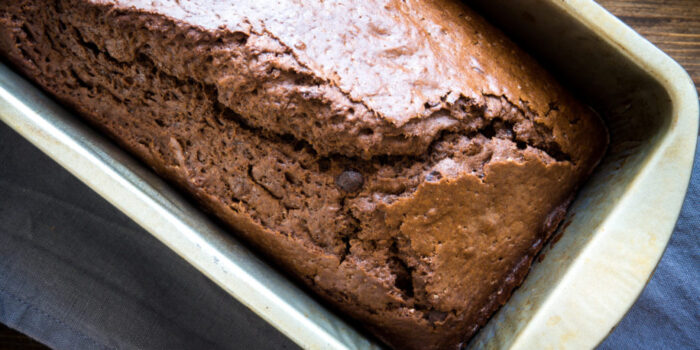
Whether it’s a soufflé, a cake or macarons: nothing is sadder than a bake you’ve worked hard on that eventually collapses. Fortunately, the solution isn’t complicated; you just need to pay close attention to a few things.

Bakes gain height and volume from the air inside them. First of all, it’s important to get that air into your bake; the second step is to prevent the air from escaping.
Sift your flour
The first step to getting air into your batter is to sift your flour. In a packet, flour is packed tightly; by sifting it, you’re effectively loosening the flour. You create air. If you’re in a hurry or feeling lazy, you’ll quickly skip this step, but it really is important for a light result.
Whisk, whisk, whisk
How do you create even more air? Whisking! The most familiar and obvious way is to whisk egg whites until stiff and airy and fold them into the batter. Make sure the egg whites are really stiff. Do you keep whisking but they won’t stiffen? There’s a good chance there was still some fat in the bowl or a drop of egg yolk slipped into the whites. Bad news: you have to start again. The result will never be as light as you want it to be.
Tip: rub the bowl with a halved lemon to degrease it. Separate each new egg into a small bowl first, before adding it to the rest of the egg whites. If some yolk accidentally gets into the whites after all, you’ll only have ruined one egg instead of a whole lot.
Another way to get air into your bake is to whisk butter and sugar. Almost every cake recipe says that you should whisk the butter and sugar for a few minutes first, until you have a light and airy mixture. This takes a few minutes, so I completely understand if you get impatient and simply whisk until everything is well combined. But really keep whisking until the mixture is lighter in colour and nice and airy. This also ensures good rising and a light, tall cake.
Folding
Now it’s time to mix in the remaining ingredients. Here, it’s important not to beat the air you’ve just worked so hard to create out of the mixture. Therefore, always gently fold the egg whites into the rest of the batter, or vice versa. Stop once the mixture is nicely combined, so no unnecessary air escapes.
Preheat the oven properly
For proper rising, it’s very important that the oven is fully preheated. The high temperature causes the air in your bake to expand, making the batter lighter and causing it to rise. The hotter the oven, the faster this happens. The heat also causes the egg whites to set, helping your creation hold its shape and reducing the risk of collapse.
Don’t think you can speed up this process by turning the oven up another notch; you’ll have a good chance of burning the outside.
Put it in the oven immediately
Does the batter contain baking powder or baking soda? Put it in the oven immediately once the batter is ready. The leavening agent starts working straight away as soon as it comes into contact with the wet ingredients, so this makes all the difference for a good rise.
Keep the door closed
You’ve probably seen this tip before, but I’m really going to give it to you once again. Every time you open the oven door, the temperature drops. Absolutely disastrous for your light end result. At the end of the baking time, you may of course insert a skewer into your cake to see whether it’s done. If it needs another five minutes at that point, that’s not a problem, but don’t open the door the whole time.
Also read:


