


5 Christmas breads
Christmas bread with almond paste is found on the table in many Dutch households during the festive season. But what do people eat abroad at Christmas? Every country has its own distinctive baked goods. FavorFlav has selected five for you.

Schnitzbrot – Germany
A richly filled, dark bread consisting mainly of nuts and fruit. It contains all sorts of things: dried pears and plums, walnuts, almonds, orange peel, figs and hazelnuts. The result is a dark bread that you should not eat immediately. No, after baking, schnitzbrot should be stored covered for a few days so that the flavours can really develop properly. In the end, it tastes best with a generous spread of butter. You can find a handy step-by-step recipe here.
Panettone – Italy
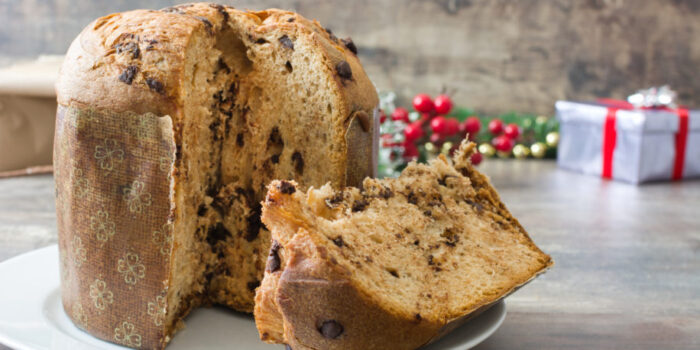
You have probably spotted panettone at your favourite Italian delicatessen at some point. This cake is often packaged in a colourful box with a festive bow. The bread originally comes from Milan and is characterised by its airy texture, raisins, candied fruit and citron. In Italy, it is often given as a Christmas gift, leaving many households with leftover panettone. Traditionally, you keep these leftovers until 3 February. That is the day of San Biagio, the saint who protects you from sore throats and flu. Eating panettone is said to help with this.
Pan de Pascua – Chile
The name is a little confusing, because pascua quickly makes you think of Easter. But pascua can mean both Christmas and Easter. This bread is widely eaten during Christmas in the South American country. The batter is flavoured with honey, rum (or pisco) and ginger. Like many Christmas breads, the filling consists of nuts and fruit. It is actually a cross between a German stollen and Italian panettone, and its texture is more like cake than bread. Traditionally, you drink a glass of cola de mono with it: a mix of instant coffee, milk, cinnamon, cloves and spirits.
Pan de Jamon – Venezuela
A long bread containing savoury and sweet ingredients. The dough is sweet and filled with cooked ham, green olives with pimento and raisins. It is rolled up, baked and cut into slices. Pan de jamon is also popular during Christmas in the Antilles.
Vánočka – Czech Republic
A bread made from nine strips of dough that are braided together. It is meant to evoke baby Jesus in his manger. The bread, which originated in the sixteenth century, was initially intended for the wealthy nobility. The key flavouring is lemon zest, and raisins and almonds are often added as well. Making the bread yourself is quite a task, which is why many Czechs buy their vánočka from the bakery.
Text: Marieke Migchelbrink
Image: Shutterstock


