


5 tastiest ‘cellos’ for the terrace, park or boat
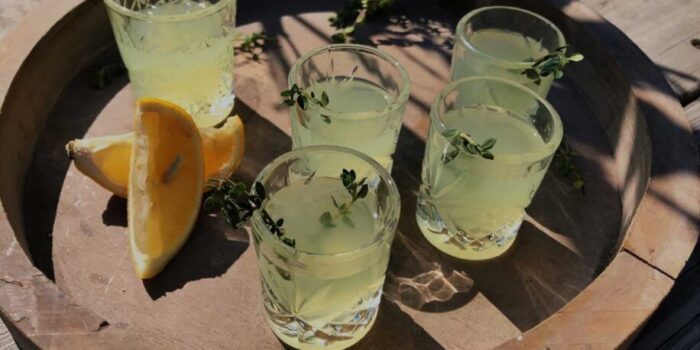
Limoncello in an ice-cold glass is delicious as the finale to any dinner (despite the fact that it gives you horrible hangovers). But there are many more delicious ‘cellos’. How about one of these 5 tasty drinks?

Yuzucello
Yuzucello? You bet. Yuzu is a cross between lemon, lime and mandarin. This sour flavoring ingredient originated in China and was transported to Japan during the Asuka period. Koremans’ pure and artisanal yuzucello is made from organic, hand-picked yuzu, which is then washed and peeled. This results in a wonderfully pure flavor. Fun fact: the fruit is very healthy. Yuzu is packed with vitamin C and antioxidants. Fancy a variation on the familiar limoncello? Order a bottle here. Cheers!
Orancello
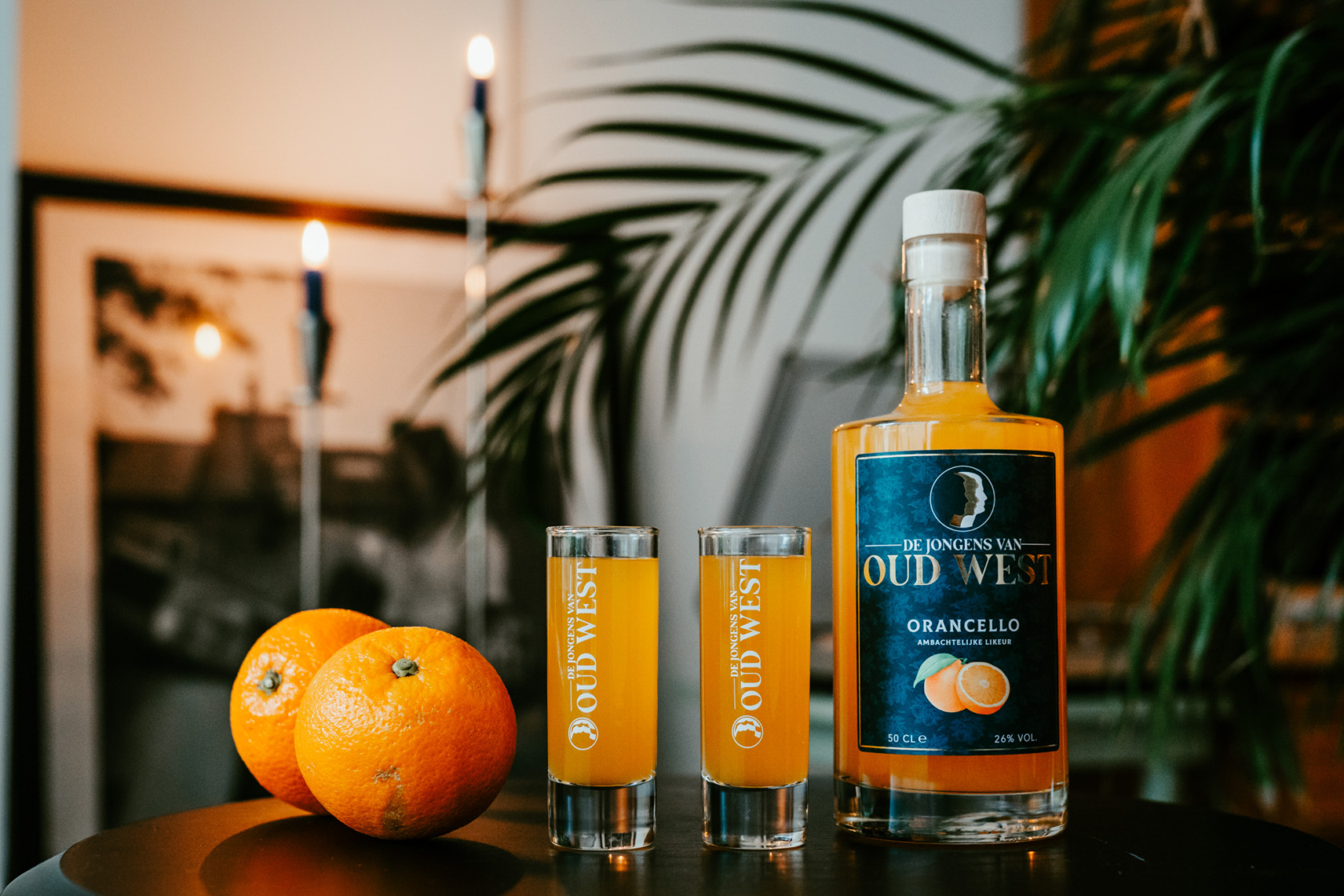
Orancello is made from oranges. What makes the orancello from De Jongens van Oud West special is that its founders, three friends from Noord-Brabant, tried dozens of orange varieties and a hundred different recipes before bringing their orancello to market. The peels De Jongens van Oud West use for their orancello come fresh from the fruit—and you can taste it. The liqueur has an alcohol content of 28 percent and is refreshingly sweet with a slightly bitter finish. It tastes best ice-cold. But orancello also works wonderfully mixed with, for example, prosecco. Here’s how to make it:
50 ml orancello
200 ml prosecco
50 ml sparkling water
Crushed ice
Orange slice
Place all the ingredients in a large wine glass or coupe.
Want to try De Jongens van Oud West orancello? It’s available at various hospitality venues, or you can simply buy a bottle for home. You can do that here.
Mandarinello
Mandarinello is made from—you guessed it—mandarins. The mandarins used to make DiGusti’s mandarinello come from Italy’s southern coast and have an intense color. As a result, the mandarinello also has a beautiful orange color. You can taste the flavor of the Italian mandarins: pure, intense and smooth all at once. What’s more, no artificial additives are used. Nice tip: keep the bottle and use it as a water carafe or a vase for your dried flowers. Want to try mandarinello? Order it here.
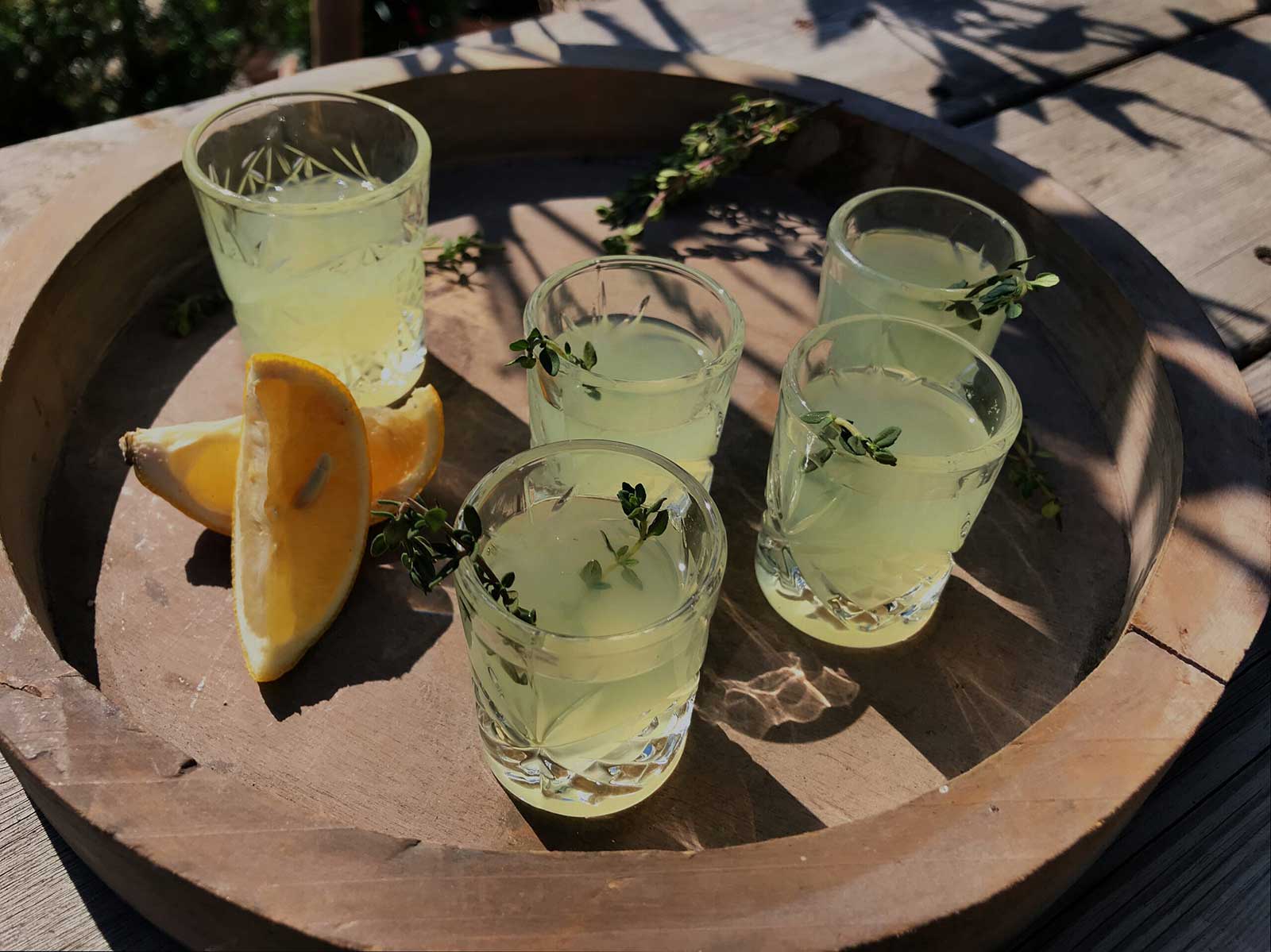
Fig limoncello
This limoncello is called Animali Speciali, The Yellow Gibbon. There’s a wonderful story behind this unusual name. Animali Speciali stands for special animals. Animali Speciali makes traditional liqueurs, but with its own twist. Each liqueur they make is linked to an endangered animal, and part of the profits is donated to a good cause. The Yellow Gibbon, a limoncello with figs, was created in honor of the gibbon. Gibbons love figs, which inspired the idea of creating a limoncello variation. Deliciously fresh lemon flavors combined with the sweet notes of fig. Do you have something to celebrate soon, want to contribute to the preservation of the gibbon, or simply want to enjoy a delicious drink? Order your bottle here.
Limoncello
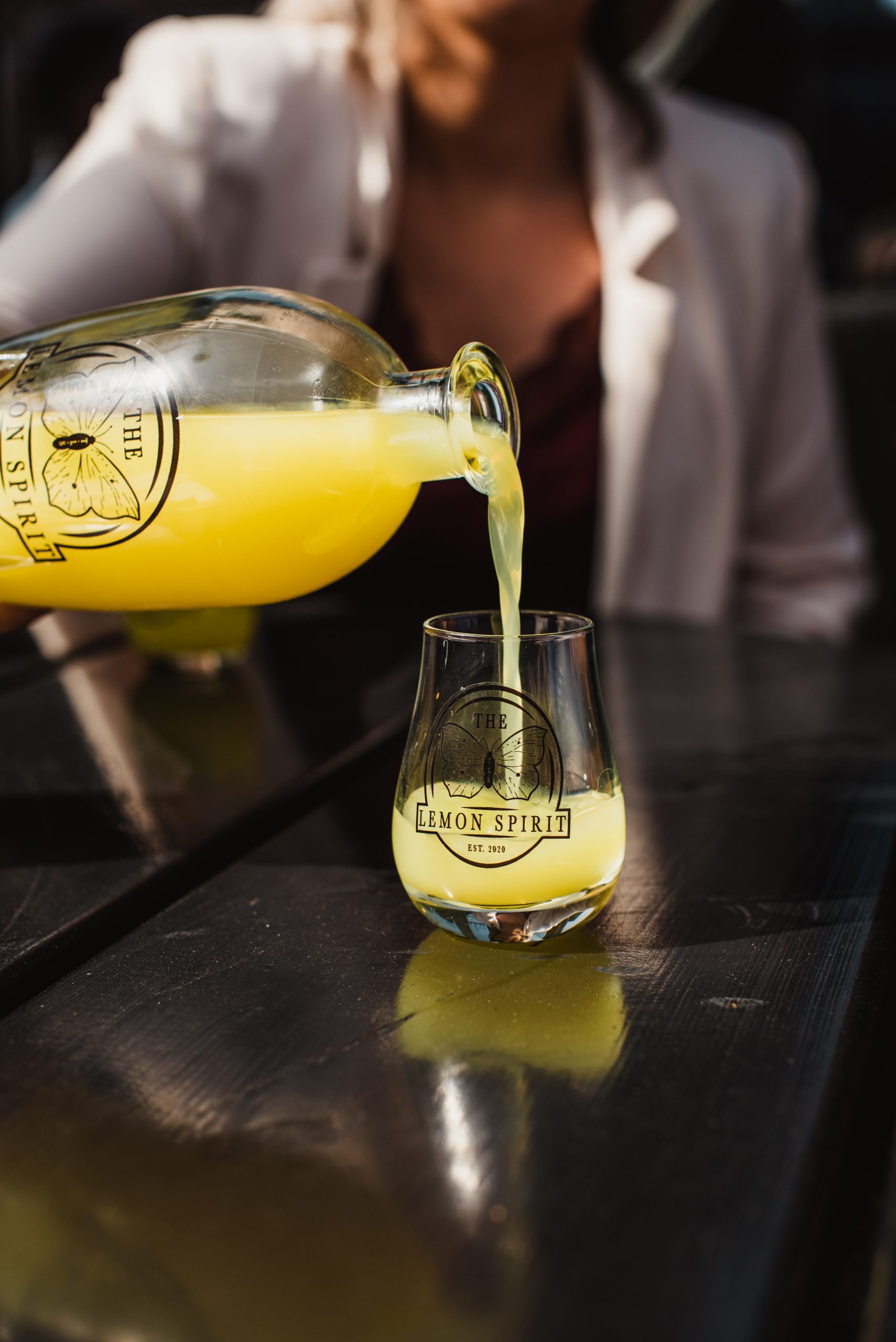
Let’s finish with the mother of all cellos: limoncello. The one from The Lemon Spirit is made from organic, hand-selected lemons. This results in a deep yellow color and a creamy, smooth flavor. The leftover lemons aren’t thrown away. The Lemon Spirit operates a zero-waste policy, so they’re used to make iced tea and lemonades. If they can’t use the leftovers themselves, they send them to a farmer who turns them into fresh juices. The limoncello is also perfect as an addition to your cheesecake. Find the points of sale here.
Read also:
- Recipe: Limoncello madeleines
- 5 unexpected things you can do with limoncello
- Recipe: how to make an absurdly delicious limoncello meringue pie


