


5x next-level vegetables
Hitting the recommended 250 grams of vegetables a day is no fun if all you can think of when it comes to vegetables is overcooked green beans and broccoli. Luckily, I have these smashing tips for you, which will make vegetables your favorite part of the meal.

When my colleagues ask me at the end of the day what I’m going to eat, the answer is often ‘aubergine with rice’ or ‘cauliflower with rice’. Boring? No way. If you prepare vegetables in one of these next-level ways, you won’t need anything else.
Roasting
How can you easily get the most out of your broccoli, cauliflower, green beans or Brussels sprouts? Roast them. The oven’s high temperature brings out earthy flavors and makes them brown and crispy on the outside. That’s a whole different ball game from those steamed broccoli florets.
Another thing you often see these days is large pieces of vegetables roasted whole, like a steak. I think it’s going a bit far to call cauliflower a steak just because you’ve cut it into a slice, but it is delicious. Just like these ‘red cabbage steaks’, by the way. Also delicious: cut a pointed cabbage into wedges, sear well in a hot pan first, then roast at 200 ºC until the cabbage is tender inside. Delicious with butter, anchovies and almonds.
Deep-frying
Fat makes everything taste better, so it goes without saying that deep-fried vegetables are incredibly delicious. Of course, you can slice anything thinly and turn it into tempura. Or deep-fry whole cauliflower florets, as in this cauliflower tempura with anchovy mayonnaise.
Vegetables don’t necessarily need a batter before you slide them into the oil, though. Brussels sprouts can go straight into the fryer. Kale sprouts (also known as kalettes) are in season now too and, if you ask me, are the most delicious vegetable to deep-fry. Finish with a generous pinch of salt and some lemon juice, and you’ll have the vegetable dish of your dreams.
Steaming
Steaming your vegetables may sound like something fit girls and boys do, but steaming preserves all the flavor of the vegetable, and after steaming you can always add extra fat. Ha! For example, cut an eggplant into thin strips and steam for 20 minutes over high heat. Finely chop garlic, ginger and spring onion and distribute over the eggplant. Heat 1–2 tbsp neutral oil in a small pan and pour it over the eggplant. The toppings cook slightly in the hot oil and become even more flavorful. Add a little soy sauce and dig in.
Bok choy and (Chinese) broccoli are also delicious steamed instead of boiled or fried. Season afterwards with sauces you like.
Chinese
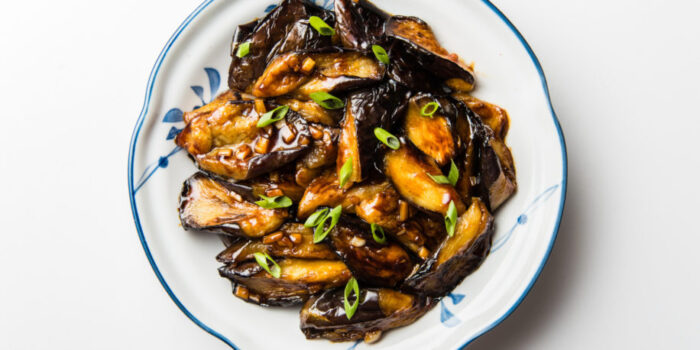
Not a technique, but an entire cuisine. Because if anyone knows how to prepare vegetables well, it’s the Chinese. The steamed eggplant above is authentically Chinese, but I also often make fried Chinese eggplant with soy sauce and garlic. Super easy, flavorful and dirt cheap.
You know the dish kung pao chicken? It’s also delicious if you replace the chicken with cauliflower. Fry the cauliflower over high heat in the pan until it’s crispy on the outside and tender inside, then season it with Chinese flavorings. This recipe includes bacon, but I always leave it out for a healthier, vegetarian meal.
Crushing cucumbers
Another great technique the Chinese taught me: crushing cucumbers instead of slicing them. This bruises the surface, allowing all the flavors to soak in much better than when you slice them. Mix with garlic, salt and soy sauce, or your favorite French vinaigrette. Your cucumber salad will never be the same again. Oh, some fried onions on top are also delicious for a bit of crunch.
Also read:


