



Aha: this is where the protein in meat substitutes comes from
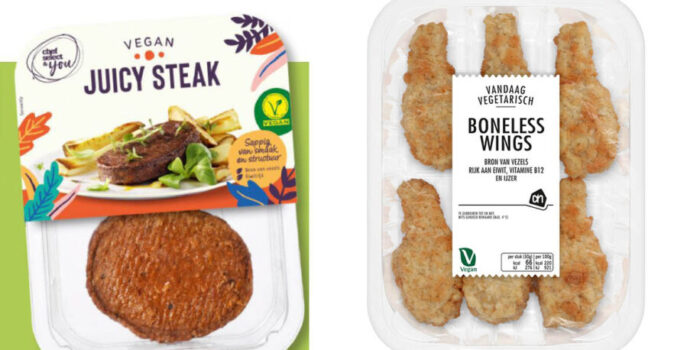
Meat is a real protein powerhouse. That’s because it consists of animal muscle tissue, of which proteins are the main building blocks. Meat substitutes are—duh—not made from real meat. So they don’t contain those animal proteins. Yet many meat substitute packages say they are rich in protein. So where does that protein come from? Keuringsdienst van Waarde investigated.

There are several sources from which proteins can be obtained. Some sources are more familiar than others. For example, did you know that you can get protein from fungi? Bizarre!
Soy
You’ve undoubtedly heard of soy. In supermarkets, you can no longer avoid it. Soy yoghurt, soy drink, soy sauce, soy crackers… All these products are made from soybeans. Those protein-rich soybeans are also used in many meat substitutes. There’s a good chance that the vegetarian schnitzel or veggie meatballs from the supermarket are made from soybeans. They also form the basis of tofu and tempeh. Tofu is made from curdled soy milk, while tempeh is made from soaked and fermented soybeans.
Pea flour
No, we’re not talking about the garden peas sitting on your plate as part of your typical Dutch meal, shining away. Pea flour is made from uncooked green or yellow peas. In terms of composition, it is similar to soy flour and therefore very rich in protein. It is not yet used on a large scale in meat substitutes—you mainly see it in animal feed. But who knows what the future holds.
Seitan
Seitan is the lesser-known little brother of tofu and tempeh. But there is an important difference: while tofu and tempeh are made from soybeans, seitan is made from wheat flour and water. How exactly does that work? If you repeatedly rinse wheat dough, you are left with gluten. That is wheat protein. If you cook it, you get a product bursting with protein.
Fungi
Protein from fungi? Yes, it’s possible. These are called mycoproteins. There is a bit of a chemical process behind it. The proteins are obtained by fermenting the fungus Fusarium venenatum. This creates a loose structure that you can’t do much with yet. To solve that problem, egg protein is added. It works as a kind of binding agent. And voilà, you have a plant-based replacement for animal protein.
Algae and seaweed
Algae and seaweed? Aren’t those things you eat with sushi? That’s right. But they are also very good sources of protein and can be an excellent part of a meat substitute. That is why they are currently being researched extensively. The chance of seeing algae in the supermarket already is small. But perhaps you’ve already tossed an algae burger into your basket?
Dairy
Protein from dairy is not a good choice if you are vegan. But it can serve as a replacement for animal protein. This can be done by separating the proteins from milk. When they are used in meat substitutes, dietary fibre from algae is often added as well. That gives your veggie burger that meat-like texture.
Also read:
- How healthy are all those meat substitutes, really?
- Research shows: meat substitutes are not more expensive than meat
- Will there still be meat substitutes in the future?
Image: Albert Heijn & Lidl, source: KRO-NCRV


