


Bah, water in meat
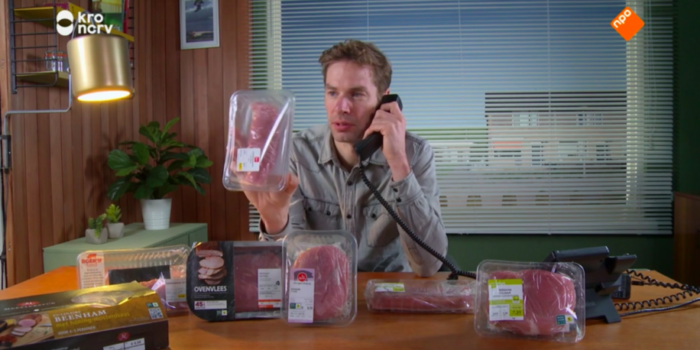
A culinary gammon. That has to become a culinary masterpiece. It can’t miss. Much better than a regular gammon. And therefore more than worth the extra euros, right? Well, no. The ‘culinary’ meat has simply been injected with water.

Supermarket shelves are packed with it: culinary pork tenderloin, gammon, roast beef. ‘But what does that extra word culinary actually mean?’ wondered the TV makers of Keuringsdienst van Waarde. And what is the difference from that ‘regular’ piece of meat lying next to it?
Special
“Culinary has to do with quality,” says chef Erik van Loo of two-Michelin-starred restaurant Parkheuvel. “A dish that is culinary has been elevated into something special.” In the case of a culinary piece of pork tenderloin, ‘special’ means that it consists of thirteen percent water, flavourings and salt. ‘Meat water’ is apparently quite expensive, because you pay €7.05 for such a culinary piece of pork tenderloin. A ‘regular’ piece (without water) costs €4.25.
Forever juicy
Why do they do it? “By using water, you spread the ingredients (flavourings) throughout the meat. In addition, injection is a handy technique for making the meat heavier,” says food technologist IJsbrand Velzeboer. According to Food Chemistry lecturer Jappie de Jong, this method can pump the meat up by around 20 or 30 percent. Velzeboer: “Water costs nothing. So that means greater returns. And thirdly, the water ensures that you can fry your meat for hours, until it is completely black, while it remains somewhat juicy.”
Misleading
That doesn’t sound bad in itself, but is it really necessary? No. If you simply sear your piece of meat properly, the juices will stay in it. According to Van Loo, the water is also misleading. “The cooked ‘culinary’ piece of meat looks nicer than the regular version. It is pink throughout, while the regular piece of meat is light brown around the edges. They do that very cleverly.”
Does it taste good?
But then the (culinary) million-dollar question: does the culinary pork tenderloin taste better? No, according to Van Loo. “It no longer tastes like pork tenderloin at all. It tastes like ham. So many products are disappearing completely. Animals becoming extinct. That is terrible, but pure flavours becoming extinct may be even worse.”
Tips
Looking for meat or fish without water, or with as little water as possible? De Volkskrant asked experts for tips:
IJsbrand Velzeboer, food technologist:
- ‘Look at the appearance of meat and fish. Minced meat, for example, should never be shiny because it comes out of the mincer dull. Shiny minced meat therefore contains added water. And chicken fillet with added water looks more sludgy.’
- ‘Broiler chickens do not necessarily contain more water than a more expensive chicken. Adding water is unrelated to the chicken’s growth process.’
- ‘Organic meat generally contains less water and is therefore a fairer product: you get more meat for your money.’
The Netherlands Nutrition Centre:
- ‘If you want meat without (added) water, check the label or ask the seller about the ingredients.’
The Consumers’ Association on its website about reading labels:
- ‘Compare products from different manufacturers to see which contains the least water and breadcrumbs. If water is listed among the first ingredients, quite a lot has probably been added.’
Read also:


