


Bitter in your beer
Every country, but also every region, and often even every village, has its own (home-distilled) drink. But only a few manage to cross the borders of their own city, region or even country.

The caramel-colored Picon, made from gentian root, is one of them. Although modestly so, because ever since it was invented in 1837 by Frenchman Gaétan Picon, the aromatic ‘bitter’ has still mainly been drunk around the border between northern France and West Flanders. In other words: the land of the hop shoot on the West Flemish side and of the les Ch’tis on the northern French side. The latter are called that because, like the Smurfs, they say the same thing every other word. In their case, “ch’tis”—see the film Bienvenue chez les Ch’tis.
But Picon does indeed have a following far beyond that area, as the slogan from 1937 already wanted us to believe: “There is no place in the world where Picon has not reached”. Whether it is always drunk to the last drop is the question, but as a souvenir of a trip to France, the decorative bottle certainly does well.
Gentian root
Besides gentian root, the bitter consists of, among other things, cinchona bark, dried oranges and, of course, alcohol. Nowadays only 18%, whereas originally it was 39%. Apérol, Campari and Suze also contain gentian root, which grows in the European mountains. Suze contains the most of all. But this aperitif/digestif does not go into beer.
So-called bitters have been growing in popularity for years. Especially in the cocktail scene. Perhaps that is why it was decided to bring two different types of Picon to the market: Picon Club for cocktails or white wine, and Picon Bière.
Estaminet
While some beer drinkers wonder despairingly where the world is heading if even their beer is no longer safe from fancy additions, the bittersweet Picon Bière still effortlessly finds its way into the hoppy barley brew in the estaminets (pubs) just above and below the Ch’tis border, as it always has.
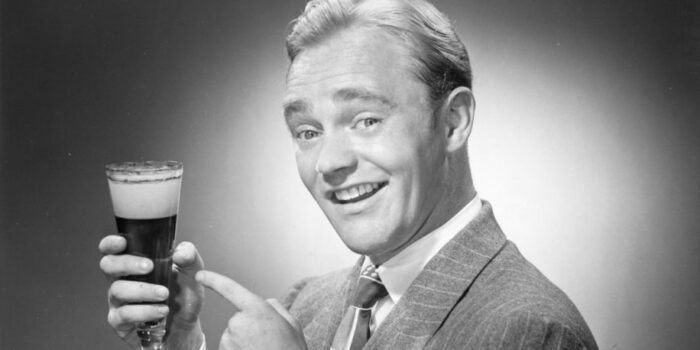
The recipe is unchanged: a splash of Picon in the glass of beer (some say in a 1:4 ratio), and that’s it. And if you want to be really fancy , garnish it with a slice of dried orange.
Read also:


