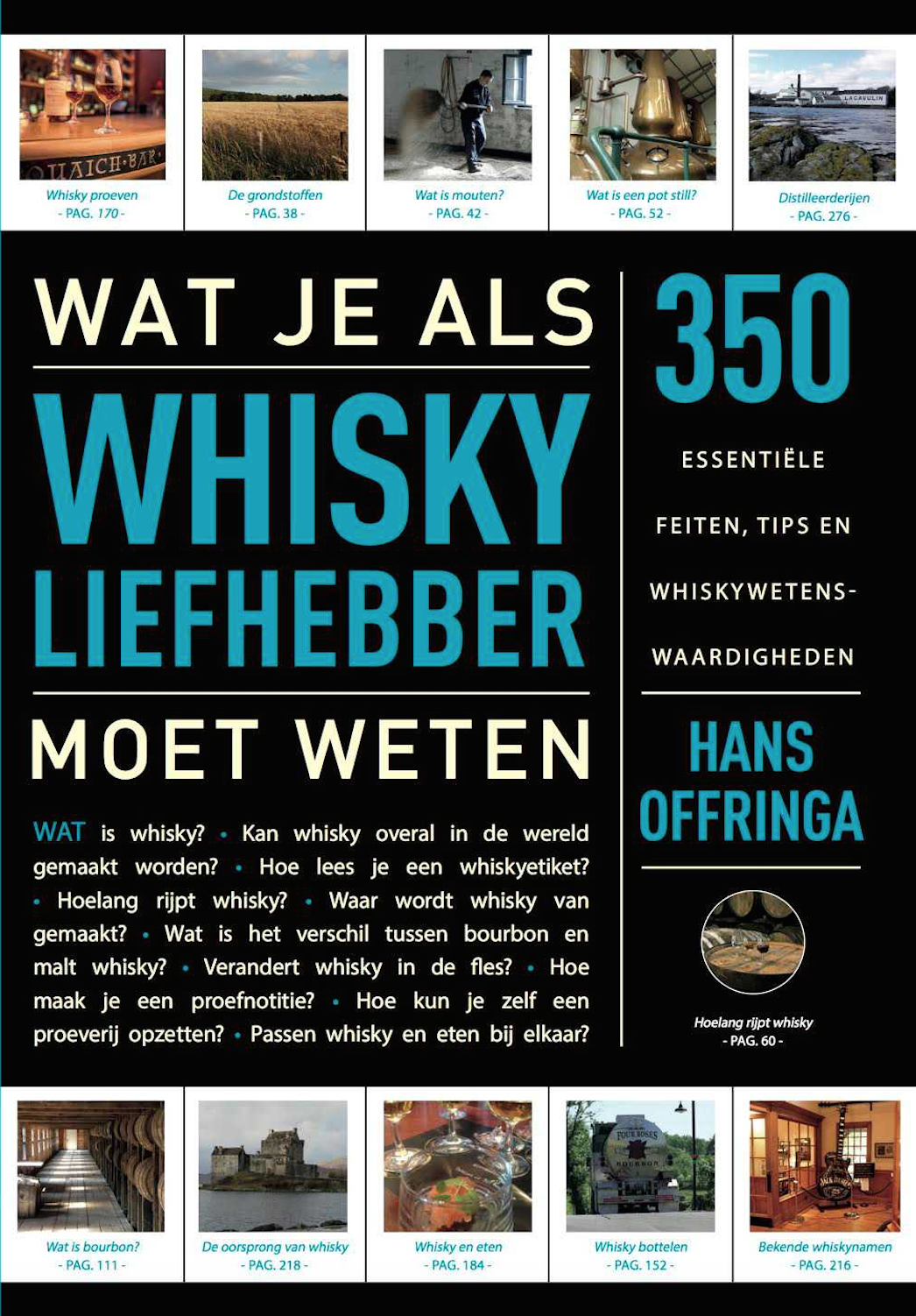
Book: what you need to know about whisky
Whisky is made from just three ingredients: water, grain and yeast. And yet it is the most complex drink in the world. One of FavorFlav’s favorite whisky writers, Hans Offringa, has added a new book to his impressive oeuvre. A must-read for every whisky novice who wants to delve into the wonderful world of this King of Drinks.

If you write a book with the expectant title What You Need to Know as a Whisky Lover – 350 Essential Facts, Tips and Whisky Wisdom you have to be a person of considerable substance. Anyone who has ever met author Offringa in person (like the undersigned during a memorable Highland Park tasting at The Brandy Library in New York, where his superior nose and palate immediately made a great impression) knows that everything is in excellent hands.
What Robert Parker is to the wine world, Offringa is to whisky. Only without the points
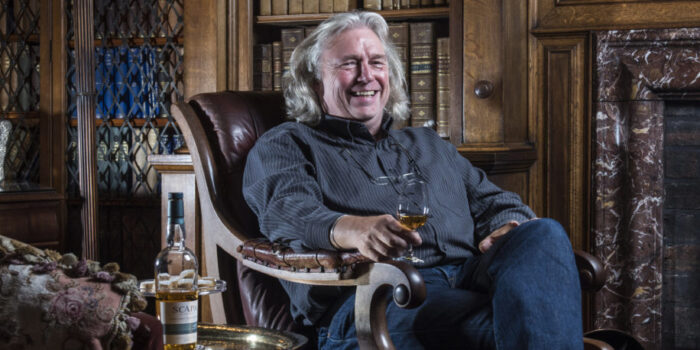
It takes little imagination to picture this man, with his long grey locks and imposing stature, as a Celt—robed or otherwise—in a Tolkien fantasy film, wandering through the Scottish Highlands in search of yet another hidden distillery. This man breathes whisky. It is no coincidence that he has numerous honorary titles to his name, has written more than 25 whisky books and is internationally recognised by friend and foe alike as one of the most influential whisky writers. What Robert Parker is to the wine world, Offringa is to whisky. Unlike Parker, however, he never awards absolute scores, under the motto: taste is always open to debate. And when it comes to whisky, you are happy to soak up everything from a man like that.
Different whiskies
In this handy book, he guides the reader through 350 entries. The little book is part of the series What You Need to Know as a Chef and What You Need to Know About Wine. All written according to the same recipe: take an expert and have them explain and expand on 350 carefully selected topics for non-experts.
In clear language, Offringa answers questions such as: when can something be called whisky (only when the distillate has been matured in casks and contains at least 40 percent alcohol)? What is the difference between bourbon and malt whisky? And—going one step further—the difference between a Scottish Islay malt and a Lowlands malt (the latter is softer and lighter)? In which other whisky-producing countries besides the familiar Anglo-Saxon ones is excellent whisky made (tip: India)? What is the influence of the maturation process, which gives every whisky its character? What does age say about quality? How do you read a whisky label?
French people are leaving cognac behind and building special whisky distilleries.
Trends
One welcome development that Ofringa describes is the increase in the number of small distilleries in Europe and the desire to produce their own kind of whisky. In German-speaking countries, schnapps producers are now also making whisky in their eau-de-vie stills. And even the French are leaving cognac behind and building special whisky distilleries. Also not to be missed: the rise of whisky in cocktails at the expense of rum and vodka. Last but not least – whisky with ginger beer.
It only makes the choice for whisky drinkers even greater. That Offringa comes to the rescue to help make the right choices is a blessing for every more or less knowledgeable lover of this king of drinks.
Offringa’s favourite whisky bars
Amsterdam, whisky cafe L&B
Amsterdam, J.D. William’s Whisky Bar
Groningen, Wisk(e)y & specialty beer cafe De Toeter
Leiden, North End Englisch Oub
Zenderen, Scottish bistro Old Coopers Hall
What You Need to Know as a Whisky Lover – 350 Essential Facts, Tips and Whisky Wisdom
Hans Offringa
€ 19,99
Karakter Uitgevers
Text: Marcus Polman
Author photo: John Paul