



Chai crème brûlée tartlets
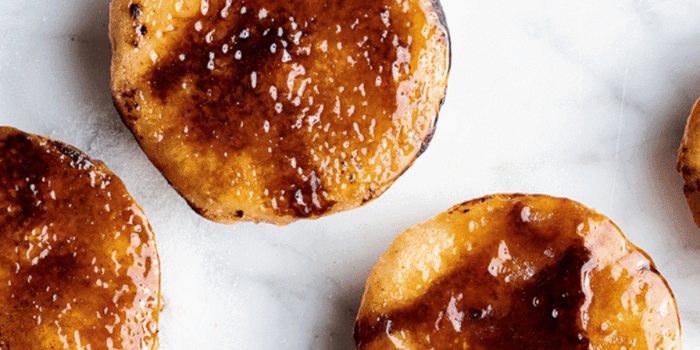
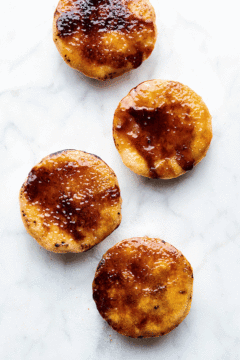
Yotam Ottolenghi’s book Sweet is packed with the most delicious sweet recipes. We immediately fell for these tartlets, which combine our favorite dessert with crisp pastry. It can only turn out well.

In the book, Ottolenghi and his writing partner Helen Goh say the following about the recipe: “We took our inspiration for this from Sydney’s Bourke Street Bakery, where Yotam first encountered their brûlée tartlets. We chose more pungent spices, giving the custard mixture the aroma of chai. We also cook our custard in the oven until firm, rather than on the stovetop as they do at Bourke Street.
A thin skin may form on the custard, but don’t worry: once it has been spooned into the tart shells and the top has been sprinkled with sugar and brûléed, the skin will not be noticeable at all, so don’t be tempted to remove it. Stay calm when caramelizing the custard: the darker you make it, the more delicious it will be, both in terms of flavor and contrast and in appearance.”
Method
For the custard, put the cream in a large, heavy-based saucepan and add the ginger, cardamom (pods and seeds), cinnamon sticks, tea bag, bay leaf, peppercorns, nutmeg and 65 grams of sugar. Slowly bring almost to the boil and immediately remove the pan from the heat. Set aside to cool, then cover and refrigerate overnight.
The next day, heat the oven to 160 degrees. Gently reheat the cream over medium heat before pouring it through a fine sieve into a bowl and discarding the spices. Beat the egg yolks together in a large, clean bowl. Gradually add the cream while whisking, so the yolks do not curdle. Pour the mixture into a 25 x 20 cm glass or earthenware baking dish and place it in a larger roasting tin. Put the roasting tin in the oven before filling it with enough boiling water (from a kettle just brought to the boil) to come halfway up the sides of the glass dish containing the custard mixture.
Bake for 15–20 minutes, until just set: it should still wobble slightly in the center, while the edges are completely set. Lift the dish with the custard out of the water bath and leave to cool, then cover and chill for one hour until ready to use. Don’t worry if a skin forms (see the introduction above).
For the pastry, put the flour, butter, sugar and salt in the bowl of a food processor. Pulse a few times until the mixture has the consistency of fine breadcrumbs; add the vinegar and water. Pulse for a few more seconds, then tip it out onto the work surface. Shape the dough into a ball, flatten it and refrigerate, wrapped in plastic wrap, for about 1 hour (or up to 3 days).
Lightly grease 12 fluted tartlet tins measuring 8½ cm in diameter and 2½ cm deep with melted butter. Before rolling out the dough, let it rest at room temperature for another 30 minutes (if it has been in the refrigerator for longer than a few hours), then place it on a lightly floured work surface. Roll it out into a 2 mm-thick sheet, cut out 12 circles measuring 12 cm in diameter and use them to line the tins. Gently press the dough into the prepared tins; trim away any dough extending over the edge, cutting it flush with the rim.
Refrigerate the tins for 30 minutes so the dough can rest. To blind-bake the pastry shells, heat the oven to 180 °C. Place the tartlets on a baking sheet, cover the pastry with squares of parchment paper and fill them with baking beans. Bake the shells in the oven for 18 minutes, until the pastry along the edges is golden brown. Remove the baking beans and parchment paper and bake the tins in the oven for another 9–10 minutes, until the shells are golden brown. Don’t worry if the pastry shrinks somewhat during baking: it is actually supposed to shrink a little for the correct ratio of pastry to filling. And don’t worry if the edges become somewhat uneven: once the tartlets are filled with the custard mixture and the surface has been brûléed, this will no longer be visible. Remove them from the oven and leave to cool.
Just before serving, remove the tartlets from the tins. Very gently spoon the custard into the shells, filling them to the rim. Smooth the tops with a palette knife – still don’t worry if the edges are uneven at this stage – and generously sprinkle them with the reserved 80 grams of sugar. Use a brûlée torch on the tartlets to create a crisp, dark-brown caramel layer, and serve.
For this recipe, we use 12 fluted tartlet tins measuring 8½ cm in diameter and 2½ cm deep. If you have round tins measuring 10 cm in diameter, those are fine too: you will make 8 tartlets instead of 12. You will also need a brûlée torch to caramelize the custard (do not place them under the hot grill, as the pastry crust will burn). You do not need an industrial or expensive torch: many small ones are available that work excellently.
The pastry can be made up to 3 days in advance and kept in the refrigerator (wrapped in plastic wrap) until you are ready to roll it out. You can also keep it in the freezer for 2 months. Make the custard a day in advance so the flavors can meld. Once filled, the tartlets are best eaten the same day.
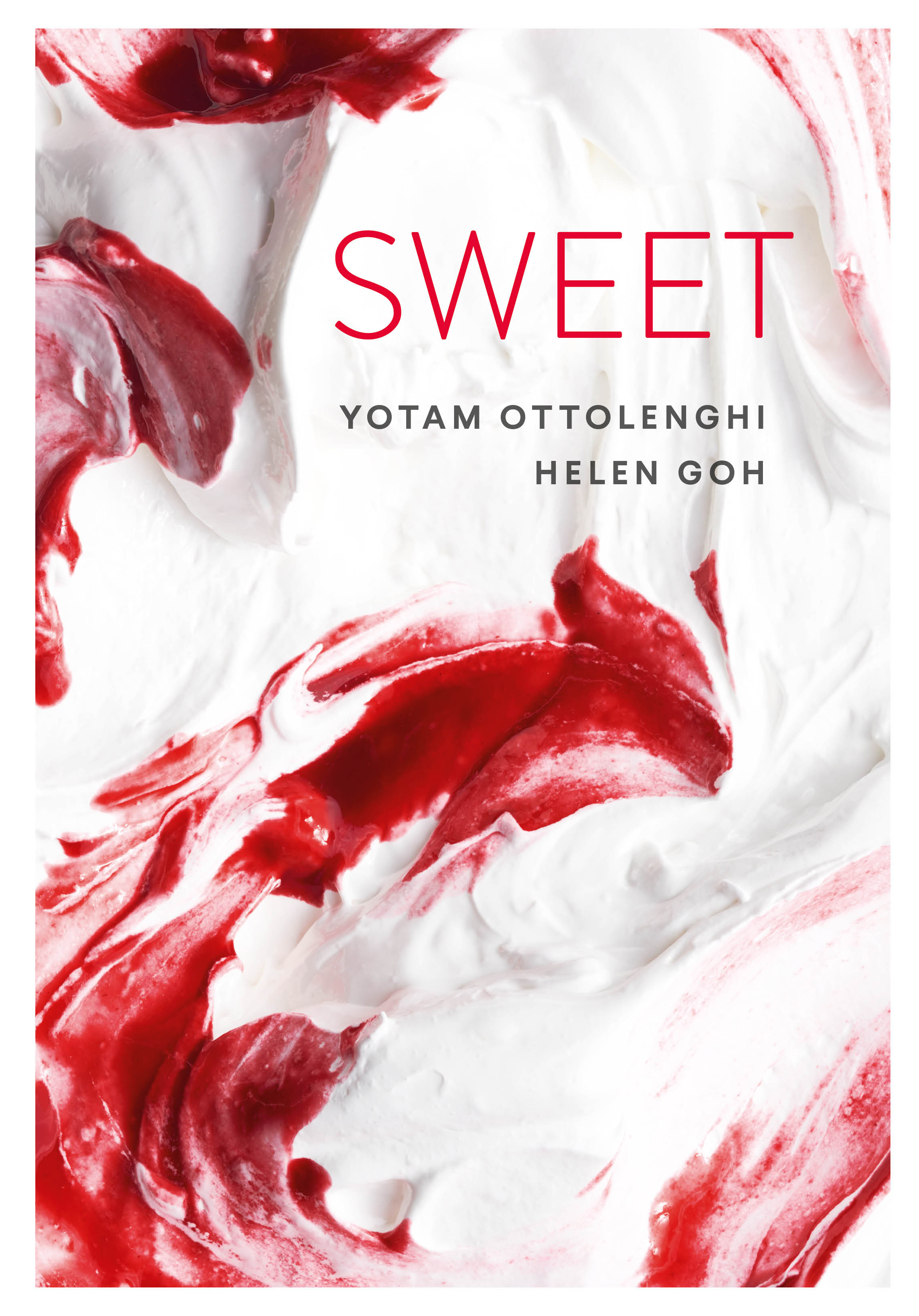
Sweet
Yotam Ottolenghi &Helen Goh
€29,95
Fontaine Uitgevers


