



5x South American power breakfasts
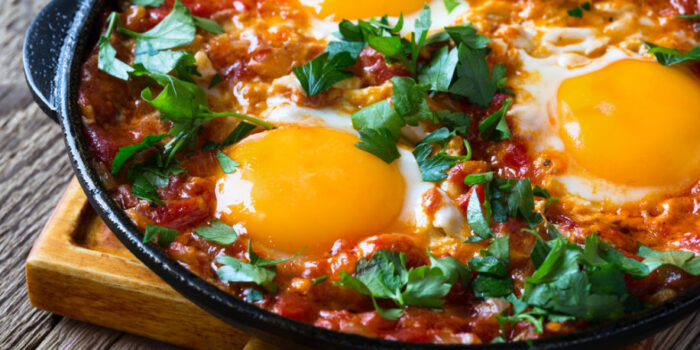
Breakfast: the most underrated meal of the day. Most people make do with a cup of coffee, a cracker or, at most, a bowl of quark. But let’s quickly leave this unappealing thought behind and focus on large plates full of deliciousness. This is something they know all about in Latin America, so today: the five most traditional power breakfasts.

Colombia: calentado
This ultimate no-waste breakfast literally means ‘reheated’ and consists of leftovers from the day before. Think rice and beans. Poorer Colombians simply couldn’t afford to throw food away. It’s all topped with a fried egg, sausage and an arepa on the side.
Guatamala: mosh y huevos
This nutritious breakfast consists of soft oatmeal with milk and cinnamon. It sounds almost like our ultra-trendy overnight oats. But that’s not all: an egg any style is also served with beans and bread or tortillas. Anything to start the day off right.
Venezuela: arepa
These corn breads are the pride of Venezuela. In fact, there is a real Arepa Festival, organised annually by a different city between August and December. They are made everywhere: from street stalls to grandma’s oven. Filled with cheese, egg or spicy meat, an arepa is enough for a complete meal. You’ll often be served the smaller, unfilled version as a side dish.
Mexico: huevos Rancheros
Mexico’s most traditional breakfast dish is huevos rancheros: poached or fried eggs with beans and tomato sauce on a tortilla. Huevos rancheros means ‘ranch-style eggs’, because this dish was traditionally made to provide hard-working farmers with energy for the entire day.
Nicaragua and Costa Rica: gallo pinto
This is the best-known start to the day in both Nicaragua and Costa Rica. The name of this dish means ‘spotted rooster’, referring to the combination of white rice mixed with red or black beans. You’ll often find a sunny side up egg alongside it. Now that’s a power breakfast.
-
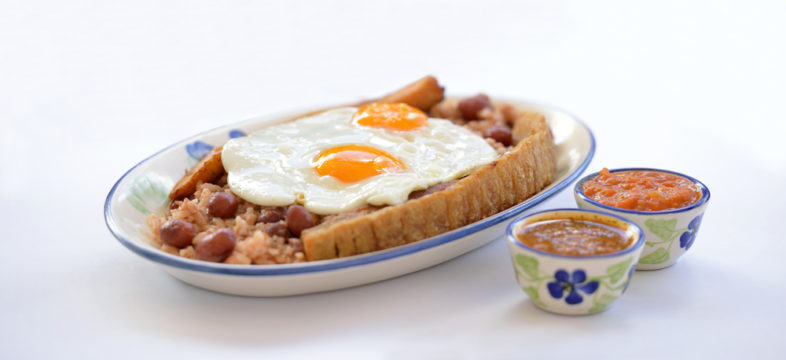
- calentado
-
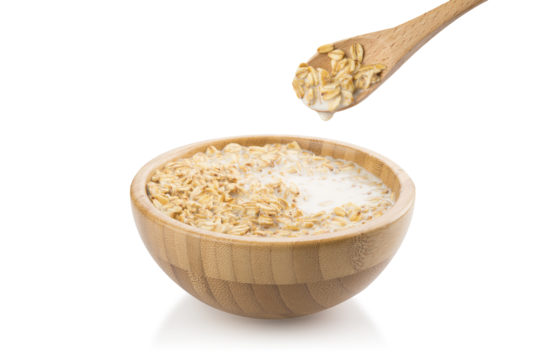

- mosh
-
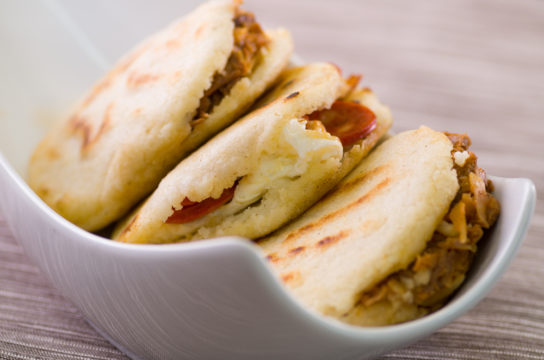

- arepa’s
-
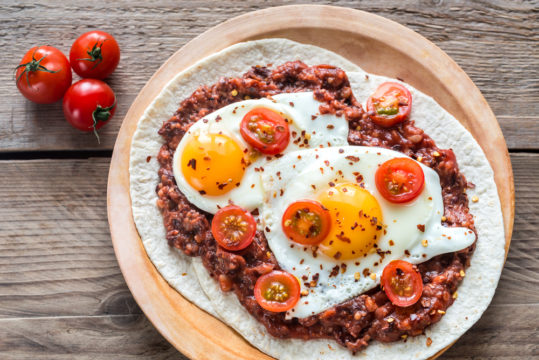

- huevos rancheros
-
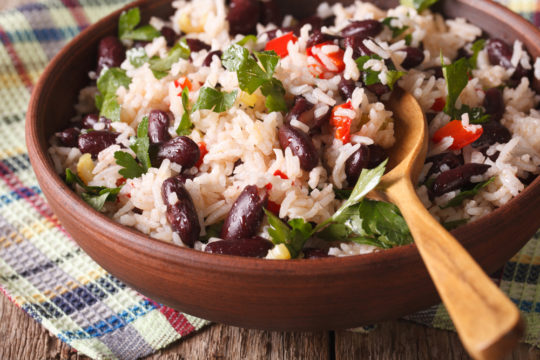
- gallo pinto
Also read:


