


Coffee in tea country
Taiwan is said to produce the best tea in the world, such as Alishan high mountain oolong. Yet food editor at large Marjan Ippel found that in the capital Taipei, it’s hardly about tea at all, but all the more about coffee. From flat white to ‘Nordic’.

That you undertake a pilgrimage to Taiwan because you’re a total tea freak. And then, in the capital Taipei, you encounter one trendy coffee concept after another. But an interesting, hip tea shop? Not a chance.
From The Wall Street Journal to Saveur, they were already writing about it at the end of last year: Taipei is rapidly becoming the newest international coffee destination. And by now, I can confirm that.
Nordic coffee
Even in the biggest mainstream coffee chains, such as Cafe Lugo, Cama and Mr. Brown, unwashed Ethiopian Yirgacheffe is brewed in vintage Chemex pots with wooden collars as if it were the most normal thing in the world. Okay, sprinkling cocoa powder or, heaven forbid, cinnamon on top of a cappuccino’s milk foam is still just as persistent—and bad—a habit in these kinds of places.
But even in the local 7-Eleven supermarket, the selection of coffees and coffee types is overwhelming. And in the famous Eslite bookstore, a large section is reserved for coffee books. Particularly how-to editions about filter coffee and ‘Nordic’ coffee culture. With a free stone coffee filter.
Hipster coffee shop
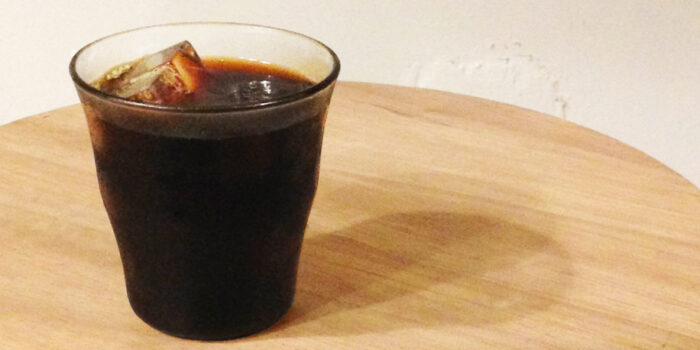
And then there are the real indie barista places: machines by La Marzocco, Synesso, Mazzer and a vintage Faema E61 from 1963 are, just as in an average hipster coffee shop back home, part of the standard furniture. But the mason jar for cold-brewed iced coffee, the homemade pastries, the cold drip coffee maker, the Probat L12 Roaster, the single-speed racing bike on the wall and the steep prices are also part of the package. For the cost of one barista coffee, you can eat an entire meal plus half a liter of beer on the street. But in the coffee shop, you do get a brew made from house-roasted beans from Taiwan’s Alishan mountains (until recently known mainly for their tea!), Kenya’s Ngerwe district or Las Lajas in Costa Rica.
The names of the coffee shops are English: Stone Single Origin, Walkingbook and Rufous. Or Italian: Luguo. And Nordic: Fika Fika. The Scandinavian ‘fika’ means something like ‘a moment for yourself’.
Compared with back home, I noticed strikingly many female baristas and an equally striking lack of beards and tattoos.
Cute
Apart from Stone, which is decorated entirely according to global trends with unfinished walls, a few vintage items and lots of blond plywood, the interiors are often subject to what they call kawaii in Japan and ke ai in Taiwan: cuteness. Hundreds of ‘cute’ items are scattered randomly throughout the interior. From figurines and jars to a funny sign next to the Überboiler in one of the best coffee shops, Rufous, bearing the following text in Dutch(!): ‘If you want to call in sick for a few days, you should try the coffee here.’ None of the baristas knew where it came from…
Compared with back home, I noticed strikingly many female baristas and an equally striking lack of beards and tattoos. Leather aprons, however, were abundant. And iced drip coffee and affogato (espresso with a scoop of ice cream)—even though it’s ‘winter’ there now too.
Aroma cup
At the best coffee shop I visited, Luguo, the female barista first wanted to make sure that we understood that no sugar or milk was added to the filter coffees, and that sugar was also a no-go with espresso (nor milk, for that matter). My unwashed Yirgacheffe filter coffee, costing 240 NTD (7.20 euros), also came with an aroma cup into which the coffee was poured before being transferred to the coffee cup itself. Smell first, taste later.
Indeed, exactly as is customary in Chinese tea culture. Still, it felt a little like coming home.
Text: Marjan Ippel
Image: Marjan Ippel


