



Eat Pasta Like a True Italian
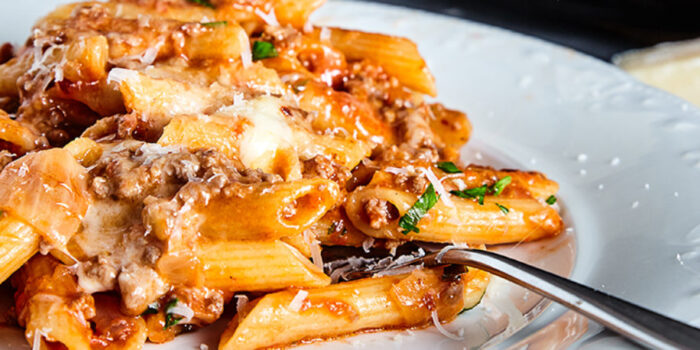
Easy when you’re suddenly hungry, or when you feel like leaving a pot of ragù to simmer for hours. The Dutch eat a lot of pasta, but are we all doing it right? This is how to eat pasta according to Italians—and otherwise you’ll be in trouble.

Italians have a whole host of strict rules when it comes to pasta. Of course, you can simply carry on with your life and ignore all these rules. But if you really want to be taken seriously as a pasta lover, this is how you should do things from now on.
Water
It all starts with the water in which the pasta cooks. Salt it until it tastes like seawater—don’t be stingy. Adding oil to the water to prevent sticking is a myth; the oil simply floats to the top. It’s better to stir the pasta occasionally to prevent it from sticking.
During cooking, the water absorbs starch from the pasta, so always save a little before draining it. Stirring a small splash of it through the pasta at the end makes the sauce wonderfully creamy.
Al dente
Overcooked pasta is never the intention: it’s soggy and has no structure whatsoever. Al dente is what you want. That means pasta that is firm to the bite—cooked through, but with some bite left. I actually never look at the cooking time on the package; after a while, I simply start tasting. About once a minute, until you get the perfect bite.
Mixing in the pan
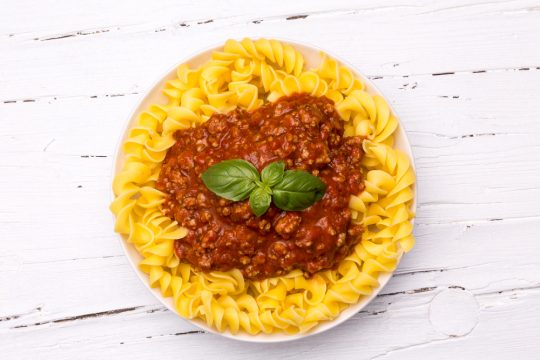
The sight of a dollop of red sauce on a plate of dry pasta sends shivers down my spine. Dry pasta starts to stick and forms a lump. That’s why, after draining, you should always put the pasta in the sauce pan and stir it through the sauce there. Besides preventing it from sticking, this also allows the pasta to absorb all the flavors of the sauce. This brings me to the next point.
Different shapes for different sauces
Different pasta shapes exist for a reason. The texture determines how the sauce is absorbed. Long, thin pasta such as spaghetti works best with oil-based sauces, such as aglio olio e pepperoncino. Tagliatelle is wider and can therefore handle heartier sauces, which is why bolognese is traditionally served with it. Penne and rigatoni have ridges on the outside, allowing them to hold thick sauces very well. A lovely tomato sauce, for example.
Fork
You eat pasta with a fork—just a fork, and nothing else. A knife is an outright faux pas, but even a spoon shouldn’t come anywhere near your plate. If you really struggle with this, here’s a mini workshop.
https://youtu.be/-itjy2QgGus
Also read:


