



FavorFlavs #33
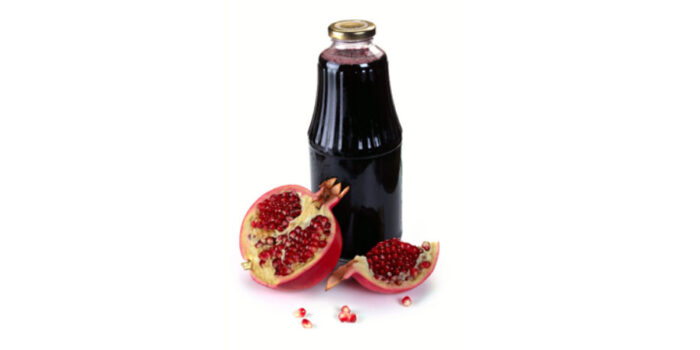
We all have them: favorite flavors, ingredients and kitchen tools. FavorFlavs we always reach for again and again. These are ours.

Pomegranate molasses
It could well be that a culinary ban on the use of pomegranate seeds is imminent, now that every professional and home cook is doing an ‘Ottolenghi’ by sprinkling the ruby-red ‘jewels’ absolutely e-v-e-r-y-w-h-e-r-e. Unlike the great London-based Israeli chef himself, who knows exactly how to use them in moderation.
Balsamic vinegar, the completely innocent and above all delicious vinegar made from trebbiano grapes in the Italian city of Modena, aged for at least twelve years in various types of wooden barrels, got there before the pomegranate thanks to an overload of mediocre supermarket recipes. Say ‘balsamic’ to a foodie and they’ll spontaneously break out in an itch.
You never know what the next victim of a culinary ban will be.
And that’s despite there being nothing wrong with either the sweet-and-sour pomegranate or the sweet-and-sour balsamic vinegar.
So we must prevent pomegranate juice, reduced to a thick, deep-brown syrup, from going the same way. Because dibs el rumman, as pomegranate molasses is called in Arabic, deserves that no more than the other two.
Pomegranate molasses makes a refreshing addition to all kinds of recipes. From Middle Eastern, where the fruit has its roots, to neo-fusion.
Vigilance is therefore called for. And the motto is: use sparingly. Just drizzle it over slow-cooked vegetables, salads, tahini, chicken, crêpes, sauces, desserts… But not too often. Also, go easy on making thirst-quenching lemonade or popsicles with it. And take it easy with the gin too, please.
You never know what the next victim of a culinary ban will be.


