


Foodlingo: French toast
Regularly, food editor at large Marjan Ippel introduces a new or recently re-entered term from the food scene here, the so-called foodlingo. No foodie can do without it. After all, ‘what (not) to speak’ is at least as important in food as ‘what (not) to eat’.

This time: French toast
It is one of the strangest food words in our language. But also in other languages across Europe, where this breakfast dish has returned after years of absence. From ‘gained’ or, conversely, ‘lost bread’ (pain perdu), to ‘klakaard’. The English ‘French toast’ suddenly seems rather ordinary by comparison.
Edge
The nostalgic French toast has just enough edge to be pulled out of oblivion, like many other dishes. Not neatly 1-to-1 this time either, but with a twist.
As tradition has prescribed for centuries, old slices of bread are dipped in a mixture of milk, beaten egg and sugar and then fried to make French toast. Because the sugar caramelizes in the frying pan, the result is crispy and sweet.
Of course, making French toast is sustainable, but above all, it’s simply delicious.
In the past, wasting nothing was an absolute necessity. Hence: lost or gained bread. The sugar, milk and egg had to disguise the old bread, which had become inedible, well enough for it still to be eaten. Then a matter of course, now an act of sustainability.
Zeeland bolus
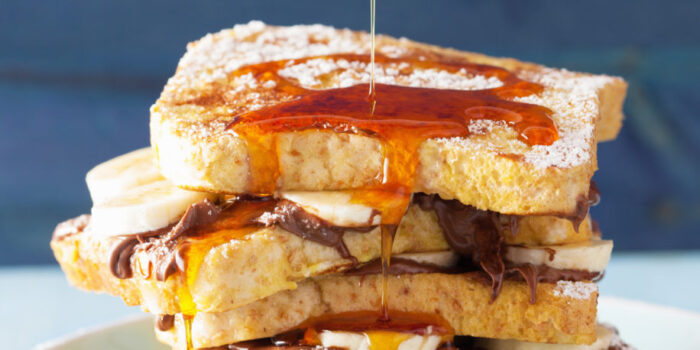
But that’s not all. Nowadays, using old bread is above all the beginning of pure indulgence. Take the French toast at tea house De Dames in Nieuwerkerk aan den IJssel, made with the frivolous Zeeland bolus. What do you mean, old bread?
Like the toasted sandwich and the sausage roll, French toast has now also made it to street food. The classic sweet grandma-style version from food truck De Wentelteefjes even won a 24Kitchen Foodtruck Award last year.
Chili flakes
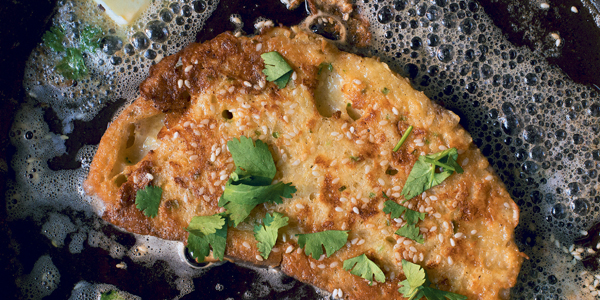
Even more contemporary is its savory cousin, inspired by Mediterranean cuisines. With grated Parmesan instead of sugar and cinnamon. Or, as at Comptoir Libanais Express, by Tony Kitous and Dan Lepard, with cilantro, crème fraîche and sesame seeds. Also delicious: made with stale Turkish bread, red chili flakes and parsley.
But where does that name actually come from? A reference to a female dog, or to the insult for a particular type of woman? No. Nor does it apparently mean ‘turn the little Eve (for a moment)’. Teef is a type of pastry, which in this case is turned over in the pan. The truth is sometimes less exciting than the imagination.


