


Four Times Sweet with Savory
Fried banana at the Chinese restaurant, lamb with apricot from the tagine and pineapple on a Hawaiian pizza—you know the drill. But which other sweet ingredients can be added to your dinner?

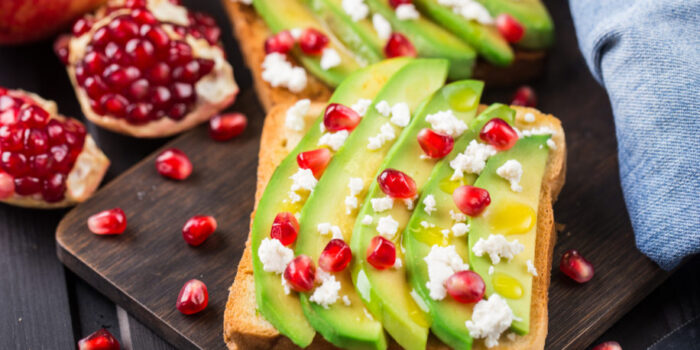
Pomegranate
Ottolenghi works his magic with the red, glistening seeds from this fruit. In his recipe for The Guardian with warm halloumi cheese, chicory, pomegranate and walnut, he plays with contrasting flavors. The tart sweetness of pomegranate seeds offsets the bitterness of the walnuts. He also uses pomegranate molasses, a sweet syrup left over after reducing the juice, as a dressing. Don’t worry, you can buy it at most Asian grocery stores. Or order it online. The sweet-and-sour flavor of the molasses goes perfectly with the bitter chicory.
Chocolate
Chocolate and Parmesan? It has been scientifically proven that the combination is perfect, just read this. The salty and savory flavor of Parmesan contains umami, the fifth taste alongside sweet, salty, sour and bitter. That pairs perfectly with the bitterness of dark chocolate. In this combination, Parmesan even tastes slightly fruity. Is this the new grilled cheese combo?
Cranberries
In America, you can’t escape them during Thanksgiving: traditional oven-roasted turkey with cranberry sauce. They subtly sweeten pâté, are used to cure bladder infections and fill granola bars. This fruit is incredibly versatile, both as a superfood in breakfast cereals and as a sweet flavoring in the most elaborate cakes. However you use them, they’re above all incredibly healthy. Because of all the minerals and vitamins, people swear by the healing powers of cranberries.
Chicken in cola
Cola on your chicken? Yes, really. It makes it glossy, sticky, sweet and savory. Together with soy sauce, you can make chicken wings unlike any you’ve ever tasted, Asian-style. Incredibly tender. But what’s the secret behind chicken and cola? Cola is acidic, and acid is good for meat. The protein structure in a piece of meat determines its tenderness: the looser the proteins, the more tender the meat. And that’s exactly what acid does: it loosens the proteins. The meat can therefore absorb more moisture and becomes more tender. Simple, right?
Also read:


