


Fraud with port wines: Albert Heijn and Gall & Gall remove port brand from shelves at all branches
Oh dear: there is trouble surrounding port wines. The age of many port wines is incorrect, and some bottles also turn out to contain synthetic alcohol. This is reported tonight by the TV programme Meldpunt on Omroep MAX.

From the beautiful Douro, Portugal’s oldest wine region, comes a special wine that is made nowhere else in the world: port. Port is a sweet fortified wine produced in different styles and colours, and marketed with different ages. But it now appears that there is an issue with the latter.
Meldpunt commissioned scientific research into the actual age of 10- and 20-year-old Tawny ports (Tawny ports are lighter in colour, hence the name; tawny means tan). In more than half of the cases (54%), the bottles turn out to contain younger port than stated on the label.
Age is just a number?
The Centre for Isotope Research (CIO) at the University of Groningen determined the age of the port using carbon-14 measurements, accurate to within two years. The most extreme discrepancies were found in the Royal Oporto brand, sold by Makro. It turns out not to have been aged for 10 years in oak barrels, as the label states, but for just 2½ years. At €22.95 per bottle, the price is more than four times higher than normal for a 2½-year-old port. Clearly not above board!
Retail chain Makro is removing bottles of Royal Oporto port from the shelves at all its branches. “We will no longer offer this port until there is more clarity. Makro customers who have bought a bottle of this port in the past six months can return it to one of our branches and receive a refund. This applies to both unopened and opened bottles,” said a Makro spokesperson.
But the Lagarada and Varossio ports also turn out not to be in order. They are not 10-year-old ports, but 3 and 4 years old respectively. Here too, you pay considerably more for the more expensive port you are not getting. The retail chains that sell these ports were not yet able to respond.
It’s all about the character
Groningen professor Harro Meijer of the CIO says in the Meldpunt broadcast: “What is stated on the label is completely wrong; it is total deception. They will have to use other tricks to make it taste like port that has spent 10 years in a barrel.”
In their responses to Meldpunt, the port producers say that they comply with the Portuguese rules for port production because their products supposedly have ‘the character’ of a 10- or 20-year-old port.
The Netherlands Food and Consumer Product Safety Authority (NVWA) considers this a form of deception: “because what is stated on the label must correspond to what is in the product. If you claim that it has been aged for 10 years, then it must also have been aged for 10 years.” Following the reporting by Meldpunt and the Groningen report, the NVWA has therefore filed a notification with the Food Fraud Network, a cooperation between European food authorities.
Synthetic alcohol
The research produced another notable result. Two bottles of the Kopke brand appear to contain traces of synthetic alcohol. This is prohibited. The alcohol in port may only be made from grapes, not from other chemical substances. The amount of synthetic alcohol found does not pose a health risk, incidentally. The producer says it wants to investigate the cause together with the University of Groningen.
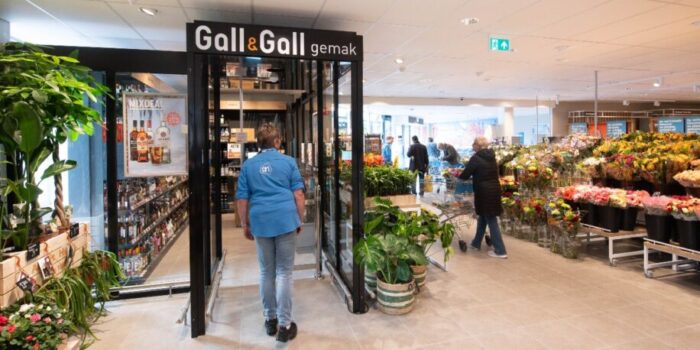
Retail chains Albert Heijn and Gall & Gall, both part of the Ahold Delhaize group, are removing the Kopke port brand from the shelves at all their branches. It is also no longer available online until the matter has been clarified.
The broadcast is on tonight (Friday 14 January) at 8:05 p.m. on NPO 2.
Image: Albert Heijn, Yasmin Hargreaves
Also read:
- Is non-alcoholic wine really wine, and does it taste good?
- Buying wine online: what to look out for
- Red wine drinkers are dog people


