


How to choose a ripe melon
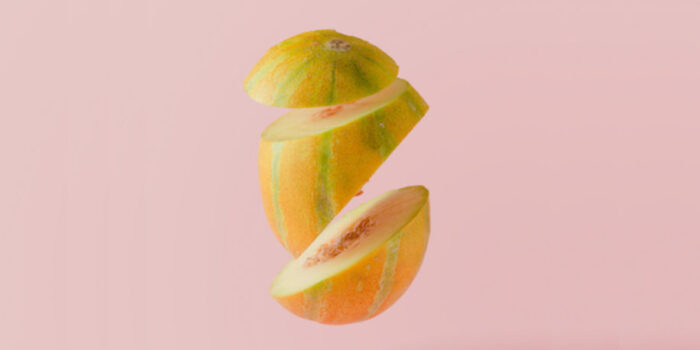
Knocking on a melon, smelling it, studying it endlessly: if you ever see someone doing this in the supermarket, you know you’re dealing with an experienced melon buyer. With these tips, you can become one too.

Pay attention to the size
Bigger is better? When it comes to melons, that isn’t always the case. Small melons often have much more flavor. The same applies to melons that are heavier. So always compare a few of them by weight.
In the mood for a drink in Amsterdam? These are our favorite bars.
Look
A watermelon should be dark green in color and slightly dull. Dull? Yes, a watermelon’s skin shouldn’t be shiny; if it is, it definitely isn’t ripe yet. The same applies to a yellow honeydew melon and piel de sapo. Cantaloupes have light orange-ish skin, and are never green.
Check the spot
Going for a watermelon? Then pay attention to the spot on it. It was created because the melon rested on the ground in that spot. Remember: the yellower the spot, the riper the melon. A light orange spot is even better.
Knock
Yes, really! Hold the melon to your ear and knock on the skin. Listen carefully: if it sounds hollow, you’ve got a ripe one. Find it difficult? Let your phone do the work. There are special apps that, while you press your phone against the melon and knock on it, can hear very precisely whether it sounds hollow.
Smell
Especially if you’re planning to stock up on a cantaloupe or Galia melon. Press on the (if all is well, slightly soft) ‘navel’, the spot where the melon was attached to the stem, and take a sniff. If the melon smells fresh and sweet, you’re on the right track.


