


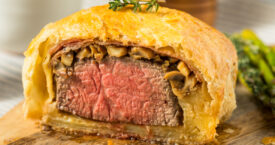

Is this the game changer in vegan food that meat eaters will go wild for?
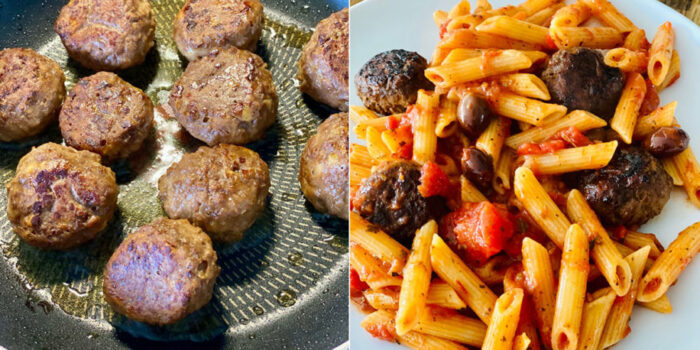
Roughly speaking, there are two types of vegans and vegetarians: people who have no desire whatsoever for a meaty meat substitute, and people who no longer eat meat but don’t (always) want to miss out on the meat experience. I have good news for the latter group: Future Farm’s ‘plant-based meat’ is now also available in the Netherlands.

The Vegetarian Butcher and Beyond Meat have gained a formidable competitor: Future Farm wants to conquer the world with exact meat replicas in terms of texture and flavour, but made from plants. No animal suffering, less CO2 emissions: I’m hugely in favour. The plant-based products, including the flagship burger that conquered Brazil in a short time, are known for their good quality; the products are available at Marqt, among others.
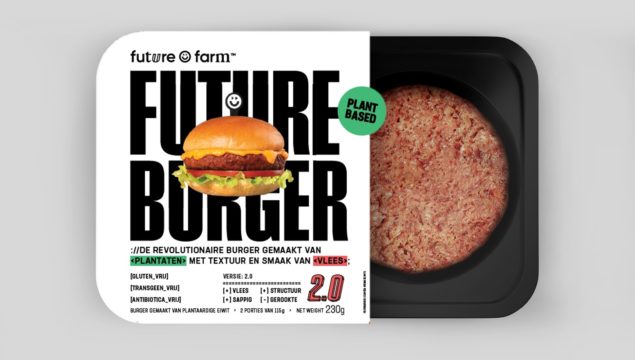
More than 2 million burgers
The main ingredients in Future Farm’s meat substitutes are peas, soy, chickpeas and beetroot powder to mimic the colour of meat. For people who do enjoy meat and its characteristic texture and flavour, it’s an absolute must-try. I tried the minced meatballs—and they did not disappoint: this really is a meat experience from here to Brazil.
Deliciously juicy
The meaty texture, which is barely distinguishable from real meat, is particularly striking. This really is an excellent meat substitute, without compromising on flavour, texture or juiciness. Future Farm therefore focuses mainly on meat eaters and flexitarians, less so on vegans. The fact that the products are a hit in meat-loving Brazil (after the US, people here eat the most meat in the world) is evident from the fact that Future Farm sold more than 2 million (!) burgers there in its first eight months.
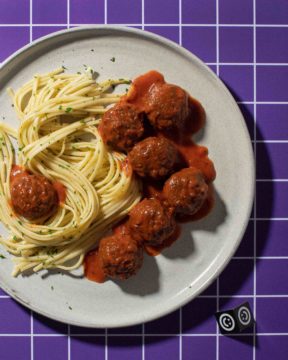
Transparency in the (meat) production chain
Founder Marcos Leta is now setting his sights on Europe: “The Netherlands is the first market we are entering in Europe, but it certainly won’t be the last. We firmly believe that Future Farm will become just as successful here as it is in South America. Especially now that corona has increased pressure for greater transparency in the (meat) production chain and the way meat-processing factories operate is under scrutiny. Demand for sustainable and flavourful alternatives will only increase. I expect that in twenty years we will consume almost no meat at all.”
Also read:


