


Recipe: Babi Ketjap from Fook Sing Restaurant in Amsterdam
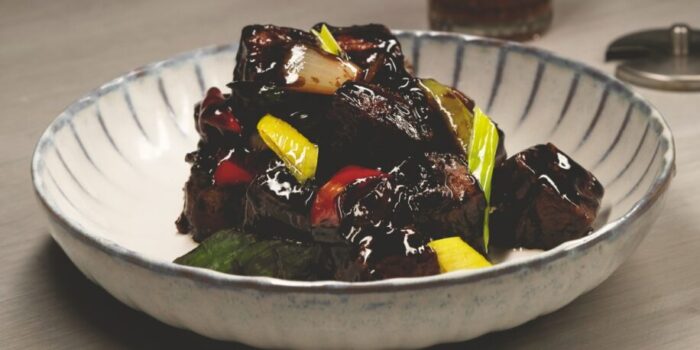
Chinese-Indonesian restaurants have been a widespread phenomenon in the Netherlands for more than seventy years. Who doesn’t have childhood memories of the local Chinese restaurant? In the Chin. Ind. Rest. cookbook, all the classic recipes from the Chinese-Indonesian restaurant Fook Sing in Amsterdam have been documented, from babi pangang to perfect bami, from foe yong hai to koe loe kai. But the recipes from behind the pass are also included: what does the kitchen staff eat themselves, which dishes did they bring from the East and enjoy making at home? This babi ketjap is one such dish, made with babi pangang.

Babi ketjap was created by Chinese immigrants in Indonesia. Originally, it was a stew made with soybeans, but because soybeans were not available in Indonesia, they were replaced with ketjap. At Fook Sing, it has since become a stir-fry dish, in which they first deep-fry babi pangang meat and then cook it together with vegetable garnishes and ketjap sauce.
How to make the babi ketjap
- Heat the oil in a wok or deep-fryer to 180 °C. Deep-fry the cubes of babi pangang for approximately 4 minutes until golden brown and crispy. Drain on kitchen paper. Make sure you have extra kitchen paper to dab away the excess fat from the top.
- Meanwhile, heat a splash of oil in a wok and sauté the garlic, white onion and red chilli for 1 minute over low heat, or until the garlic turns golden brown. Turn the heat to medium-high and add the carrot, cucumber and bamboo. Stir-fry everything for 1 minute. Stir in the stock, ketjap, soy sauce, leek and babi pangang and cook for 1 minute.
- Season with the sugar and MSG. Add the cornflour slurry and bring everything to a boil, stirring, until you get a syrupy sauce. Turn off the heat and stir in the sesame oil.
- Spoon the babi ketjap onto a serving plate.
How to make the babi pangang
- Massage the meat with the salt and 15 millilitres of soy sauce and marinate for at least 24 hours. Bring 400 millilitres of water, the remaining soy sauce and the onion to a boil in a large pan. Add the meat and cook for 10 minutes. Lower the heat and gently cook the meat for another 5 minutes. Then turn off the heat and leave the meat in the liquid for another 15 minutes. Remove the meat from the pan and drain on a wire rack. Pat dry with a clean tea towel or kitchen paper. Allow to cool completely and refrigerate uncovered for at least 4 hours.
- Bring a pan of salted water to a boil. Blanch the carrot, leek and bean sprouts in the boiling water for 1 minute. Drain the vegetables and leave them to drain in a colander for 5 minutes.
- Place the drained vegetable mixture in a bowl and season with the salt, white pepper, sesame oil and stock powder.
- Remove the meat from the refrigerator at least 1 hour in advance so it can come to room temperature.
- Heat the oil in a wok or deep-fryer to 190 °C. Deep-fry the pieces of babi pangang in batches for approximately 4 minutes until golden brown and crispy. Drain on a wire rack or kitchen paper. Make sure you have extra kitchen paper to dab away the excess fat from the top.
- While frying, heat the babi pangang sauce in a small saucepan over low heat and let it simmer gently.
- Place the vegetable mixture in the centre of a serving plate. Place the fried babi pangang horizontally on a cutting board and cut it into 1-centimetre-thick strips. Place the babi pangang on the vegetable mixture and spoon plenty of sauce over it. If you want to add a little more colour to your dish, try spooning some fruit salad over it.

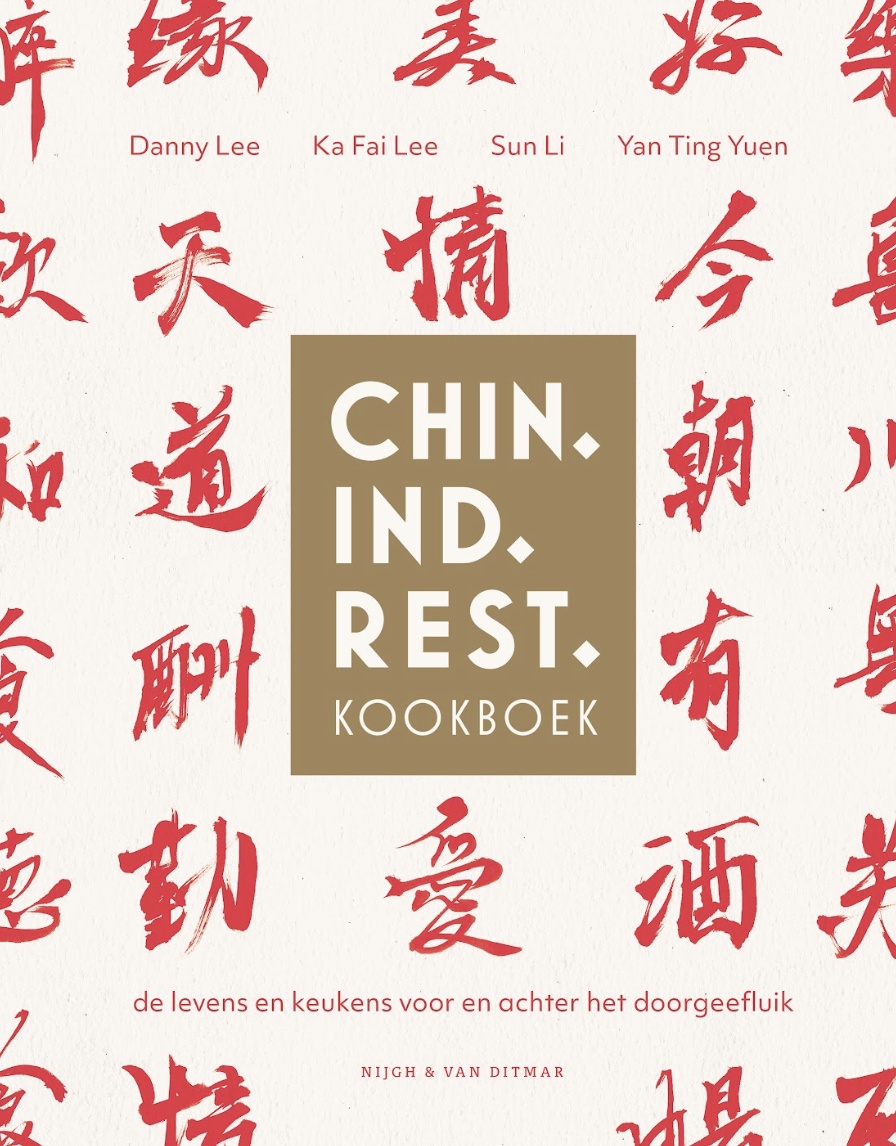
Title: Chin. Ind. Rest.
Author: Danny Lee, Ka Fai Lee, Sun Li & Yan Ting Yuen
Price: €38,99
Publisher: Nijgh & Van Ditmar
Also read:
- This ingredient makes every dish taste authentically Chinese
- Hilarious: Chinese restaurant owner writes his own commentary on the menu
- Is this Chinese? Well, no


