


Sparkling tea is the new trend
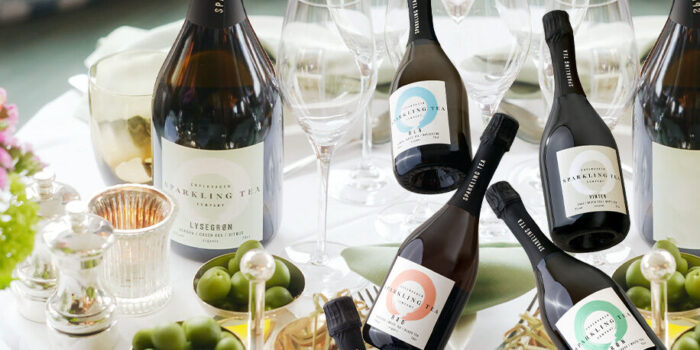

I work in a tea shop, so let me say this straight away: I’m slightly biased. But at the same time, you could also say that I’m an expert. Ideally, I’d take everything from the shop where I work: from matcha and chai to coffee-flavoured tea, and I could go on for quite a while. But the most fun discovery of all has to be sparkling tea. I simply had to try it. It’s a type of sparkling tea that is even served in fine-dining restaurants as an alcohol-free alternative, and it’s also available with alcohol.
What is sparkling tea?
Sparkling tea feels like the next step for tea. We have known tea for centuries, in every form, aroma and flavour. From fresh and floral to deep, earthy and umami (the fifth taste alongside sweet, sour, salty and bitter). Just as with wine, it’s all about origin, timing and balance. It’s no coincidence that tea is increasingly being deliberately paired with dishes. Sparkling tea takes that idea to a new level. It is lightly sparkling, layered and surprisingly refined in flavour.
Sparkling tea was developed in Copenhagen and is made from a blend of teas composed in the same way as a blend for sparkling wine. Each bottle sometimes contains as many as thirteen different teas to create a unique flavour. It really is a luxurious drink.
Sparkling tea as an alcohol-free alternative
What makes sparkling tea particularly interesting is that it fits perfectly with the growing demand for alcohol-free alternatives. We drink more consciously, make thoughtful choices and are open to new flavours. Many people want to reduce their alcohol consumption.
Not a sugary soft drink and not a complicated mocktail, but something you can order just as easily as a glass of wine. Or serve with lunch with friends. At the shop where I work—it’s Marijn, by the way, the new intern at Franska.nl, nice to meet you—it is also often bought as a gift.
Sparkling tea with alcohol
Do you actually enjoy a drink with a little alcohol? Sparkling tea is also available in bottles with a low alcohol percentage. From light and subtle to somewhat fuller in flavour, with percentages ranging from approximately 0.5 to 5 percent. This way, you can choose what suits the occasion.
A festive alternative to champagne
Whether it’s the drink of the year? That naturally depends on what you look for in a drink and the occasion. But it is certainly a luxurious and elegant alternative to, for example, that glass of champagne or rosé with dinner. At least as delicious and hangover-free.


