


Supermarket wine: what should you look out for?
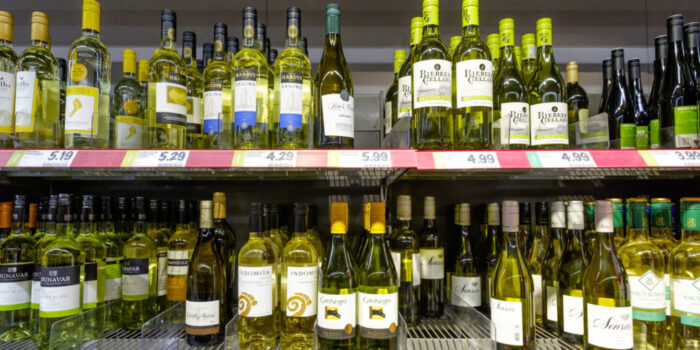
You fancy a chardonnay, but which of the ten different bottles on the shelf is actually any good? Wine journalist Esmee Langereis co-wrote ‘De Grote Hamersma’ with Harold Hamersma and offers advice.

Champagne, rosé, merlot, chardonnay, anyone?
5 euros?
”Don’t buy wines under five euros; these are bulk wines that, in the worst-case scenario, are purchased by the container. On top of that, all kinds of things are added to the wine. Have a look at the quality labels on the bottle. Quality labels such as organic and Demeter (biodynamic wine) already indicate that fewer additives are used in the wine. Spend a little more than usual and don’t pick a wine from the bottom shelf. There are also handy wine guides to see how a wine has been rated.”
Producer
Do you always remember which grape variety you like? It’s better to approach it differently. ”When I buy wine, I always look at the producer. If you have bought and enjoyed a wine, remember carefully which wine and producer it was. Take a photo of the bottle. You can’t say whether one grape variety is better than another; you can only say that about the producer. A producer’s quality is always consistent, so it’s better to keep buying wine from the same producer; then you can be almost certain you’ll enjoy it.”
Quality
”Actually, you only know whether you’ve chosen a good wine once you taste it. The problem is that you can only open the bottle at home, not in the supermarket. The quality of supermarket wine is fairly consistent, because they are determined to make sure everything tastes more or less the same. In Italy, McDonald’s tastes the same as it does in the Netherlands; that’s essentially also the case with supermarket wine. But there may still be a good wine among them.”
Langereis’ top 3 best organic budget wines
1. Château Tapie €4,99 – Available at: Albert Heijn
2. Los Gansos organico €5,99 – Available at: Jumbo
3. Biotiful Verdejo €4,99 – Available at: Marqt
Also read:


