



This is the secret ingredient for the perfect omelet
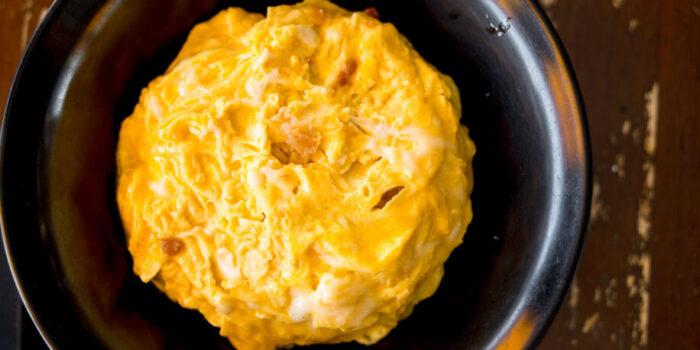
Just to make you all a little jealous; I’m writing this from sunny Gran Canaria (it’s 30 degrees today), which is also exactly the reason for this trip. And on vacation, I’m quite a creature of habit. For example, I have an omelet and a coffee every morning — while at home, I hardly eat eggs. But this time, I’m taking this morning ritual back to the Netherlands, because I dare say I’ve perfected my omelets.

And it’s all thanks to a tip from Geoffrey Zakarian, the famous American (TV) chef and cookbook author. He is also known for his restaurants in New York, Miami and Atlantic City. In short: he knows what he’s talking about.
How to make the perfect omelet
And it was a tip I could immediately try out during my morning omelet sessions. His secret ingredient? Butter. Buuut, not just any butter. No… Cold butter. And yes, the butter really does have to be cold. You should add this cold butter when your omelet is in the pan — the cold butter ensures that the proteins in the omelet don’t thicken. Because (according to Cook’s Illustrated) those proteins begin to bind together as they coagulate when an egg is cooked. The result: an omelet on your plate that can feel rather heavy on the stomach and is anything but fluffy. So you make your omelet (or scrambled eggs, this works perfectly for those too) as you normally would, but add a knob of cold butter once it’s in the pan — actually, it’s very simple.
Why cold butter?
And then you may wonder: why does the butter have to be cold? It’s more logical than you might think; it has to do with the way it melts. When you add warm butter or butter at room temperature to the pan, it melts immediately upon touching the pan, which means it covers less of the pan’s surface. Cold butter takes longer to melt, and therefore reaches the entire pan — and thus the entire omelet or scrambled eggs. Extra tip: cook your egg over low heat. Chefs like Gordon Ramsay swear by this too when making a perfect egg.


