


This is why chocolate turns white
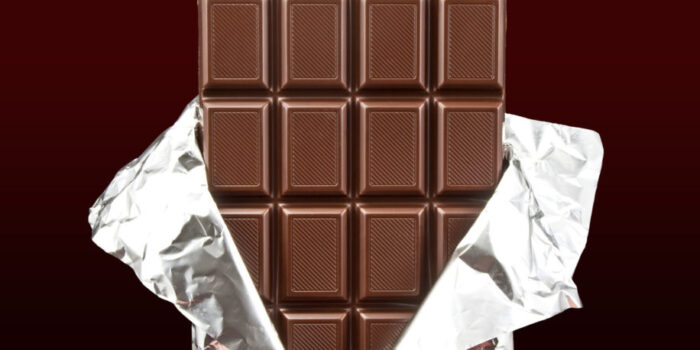
We’ve all experienced it: you reach for your favorite chocolate bar that has been sitting in the cupboard tempting you for a while, you open the bar and find a white-coated, sad-looking chocolate bar. You’d rather throw it away, but don’t!

This phenomenon is called chocolate bloom, or chocoladebloei in Dutch. It comes in two forms. The most common form is fat bloom, which occurs when chocolate is stored at too high a temperature. Due to the high temperature, the cocoa butter separates from the chocolate and forms a white coating.
The other form is sugar bloom, which occurs when chocolate is kept in an environment that is too humid. When moisture forms on the chocolate, the sugar comes out of the chocolate, then crystallizes again and forms a white layer.
How do you prevent chocolate bloom?
Make sure you store your chocolate in a cool, sheltered place in your kitchen. The refrigerator is often too cold. Ideally, store chocolate in an airtight container at around 20°C.
Can you still eat chocolate that has turned white?
Short answer: yes! Chocolate bloom doesn’t change the taste. It can, however, make the chocolate somewhat grainy in texture and therefore less pleasant to eat. The chocolate also no longer looks particularly appetizing, but you can eat it without worry. What a relief.
Also read:


