


This is why the waiter shows you the cork
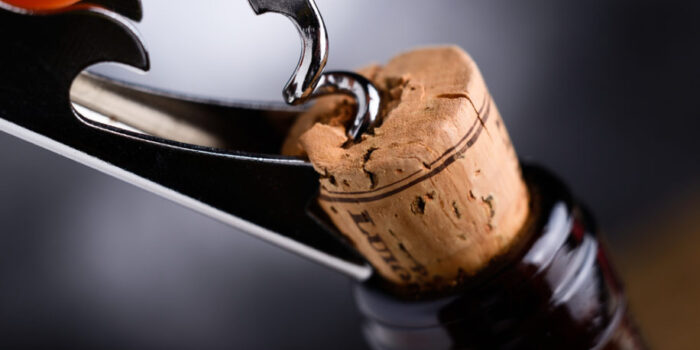
Do you also always nod politely when the waiter shows you the cork from a bottle of wine, but have no idea what you’re supposed to look at? We’re with you, so we looked into it for you.

Ordering wine in a restaurant can be a complicated process anyway if you don’t know that much about it. And when you’ve finally chosen which wine you want, you still have to taste it first, while the waiter waves the freshly popped cork in front of you. Why?
Nothing to do with corkage
And no, it has nothing to do with whether a wine has a cork or not. The practice dates back to the nineteenth century, when wine labels in wine cellars often faded or even came off the bottle entirely. If you ordered a wine back then, you literally had no idea what was being served to you. That’s why the logo of a winery was put on the cork.
Oxidized
These days, all wine bottles simply have a label, so surely this shouldn’t be necessary anymore, right? Yet it is still done partly for this reason, because labels can always be tampered with too. You can also get some extra information from the cork. If the end of the cork is moist, you know that the wine has not oxidized.
Bottles sealed with a cork are laid on their sides during storage. The cork expands in the neck of the bottle and thus prevents oxygen from entering the bottle. If the cork becomes too dry, it lets oxygen through more easily, and storing wine on its side prevents the cork from becoming too dry. So feel the underside of the cork to see whether it is slightly moist, and if it is, you’re good to go. Cheers!
Also read:


