



Tofu vs. tempeh
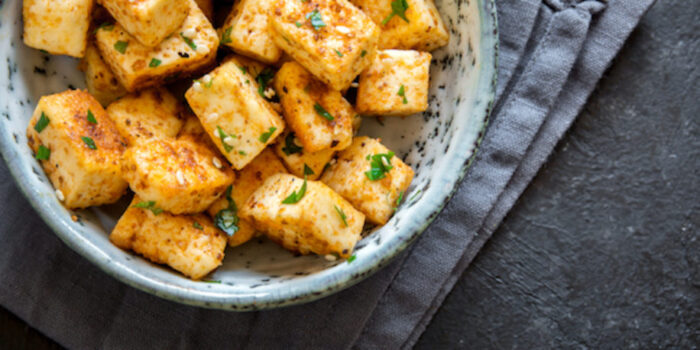
Tofu and tempeh are both made from soybeans. But that’s actually where the similarities between the two end. They have many more differences. We’re almost certain you can’t list them all off the top of your head, so we’re explaining them to you once and for all. Here you go: a deliciously nerdy overview.

Preparation method
Tofu (or tahoe in Indonesian) is made from soy milk. The milk is curdled and then pressed into blocks, a little like cheese. You could actually say that tofu is a kind of soy cheese.
These are our favorite Vietnamese dishes
Tempeh, on the other hand, is made from whole (dried) soybeans. They are chopped into pieces, soaked, skinned and then cooked. A mold is then added and the pulp is given time to ferment. Within a day, it binds into a firm, solid white block.
Texture
To remember: the more soy milk has been pressed out, the firmer the tofu. The tofu you buy at the supermarket is this firm, compressed variety. Perfect for cutting into cubes and frying until crispy. Do make sure you cook it properly, because firm tofu can quickly become tough. At the Asian grocery store, you’ll also find silken tofu: less moisture has been pressed out of it, which makes its texture much softer. Frying it isn’t such a good idea; the tofu will immediately fall apart. It’s better to add it to dishes at the very end. In her plea for tofu, FavorFlav’s Emma teaches you how to do that.
A block of tempeh has a completely different texture. It is firm and considerably harder because it still contains pieces of bean. What’s more, there’s no need to drain the block; tempeh is nowhere near as moist as tofu.
Flavor
Tofu has little flavor of its own. Still, it’s anything but boring. It easily takes on other flavors, so you can take tofu in almost any direction. Tempeh has a somewhat less neutral flavor. It’s slightly sour, which makes it less adaptable to a dish than tofu. That’s why tempeh is best sliced and well marinated before you start cooking with it.


