


Wine from the legendary soil of Count Dracula
This week, all wine enthusiasts gathered at the 14th edition of Wine Professional. Traditionally, during the first three days of Horecava, the Europafoyer at the RAI is reserved for everything that matures, ferments and sparkles.

Wine Professional is the leading Dutch trade fair for professional wine experts. Everyone who takes wine seriously – and there are quite a lot of them – comes to this fair. A feast of recognition, but also of discovery! Three days of unlimited tasting, sniffing and smelling… It is a wine breeding ground with almost 100 exhibitors, importers and producers. There are many fascinating masterclasses, and various chefs are brought in to highlight the gastronomic side of wine as well.
Unfortunately, I don’t have three days, but only one afternoon. And that means – however regrettable – making choices. I’m looking for surprises from unexpected places.
Chilean Antiyal
At a masterclass by the Belgian wine importer ad Bibendum, I taste four consecutive vintages (2009 through 2012) of Chilean Antiyal. A red, biodynamic blend in which carmenère – the signature grape of that country – is combined with cabernet sauvignon and syrah to create a striking wine. Wonderfully full and complex wines, yet with a refinement you would not expect from a country like Chile. Once again, it proves that the New World no longer has to yield to classic wine countries such as France and Italy. A bottle like this does cost a few pennies, but you get something in return. And the fun thing about such a ‘vertical tasting’ is that you can really taste the difference between the various vintages. That is possible in the New World too!
Wine is not the first thing that comes to mind in this context either. I think more of Dracula, haunted castles and bats.
Dracula and bats
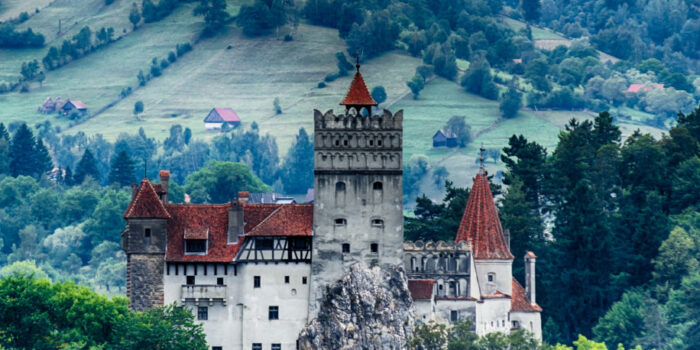
And then swiftly back to our own continent, to a much lesser-known wine region. Romania, or Transylvania to be precise. Wine is not the first thing that comes to mind in this context either. I think more of Dracula, haunted castles and bats. But as it happens, the latter play an important role in local wine production.
Miron Radic from the Romanian winery Liliac from the Lechinta wine region introduces me to wines from the area. Even their name means bat. The animal is not only their namesake, but also their best friend in the vineyard in the fight against pests. This makes it possible to work in a much more natural way.
Surprisingly low price tag
Transylvania actually has a rich wine history. Dionysus – the god of wine – is even said to have been born in Thrace (present-day Romania). And during the Roman Empire, there was already a thriving wine culture. The communist nationalisation of the vineyards caused a large part of that old wine production to disappear. But the mountains, the soil and the suitable, cool climate remained. So when the Wall fell, old traditions could easily be dusted off.
Today, Liliac works with a highly experienced Austrian winemaker and a state of the art winery. The focus here is clearly on quality, but with a surprisingly low price tag. Indigenous grape varieties such as the white fetească regală (the royal girl) and the red fetească neagră (the black girl) are often blended with better-known grape varieties such as pinot gris, gewürztraminer, sauvignon blanc and pinot noir. There is even a dessert wine made from dried grapes: Nectar of Transylvania. Fresh, aromatic and pure – that described almost all of them. And when wood is used, it is Transylvanian. Because they can make barrels too. What beautiful and fascinating wines! To quote the winery itself: ‘Transylvania has never tasted more alive…’
Liliac wines are available from Miranda Beems Wine Import
Text: Romy Kooij – Miss WineLane
Image: Shutterstock


