


Buying wine? Here’s how to read the label
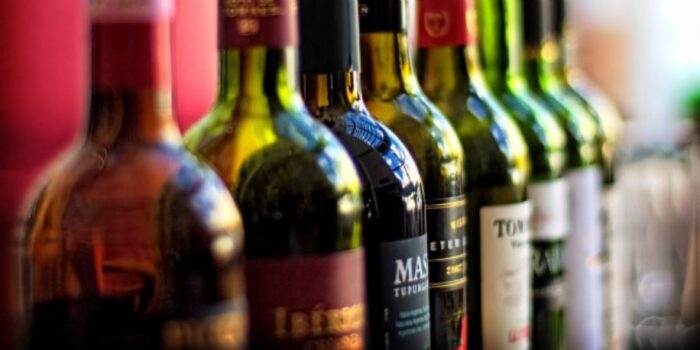
The wine aisle can be pretty intimidating if you don’t know much about wine. Do you always grab the bottle with a beautiful label, or the one with a word on it that you actually recognize? These tips will make that label a little easier to understand, so you can choose the right wine every time.

How much information?
Most bottles state which grapes were used, the winery, the year the wine comes from and the region where it was produced. Have you searched everywhere but can’t find a region or grape? If there is little information on the bottle, the wine has usually been homogenized to produce large quantities of bottles in a specific style. There is nothing inherently wrong with this: many brands make wines that customers really enjoy, but you won’t be able to learn much from them. If you want to make a good choice, it’s better to go for a bottle that provides more specific information.
Alcohol percentage
The alcohol percentage of a wine doesn’t just affect how quickly you get tipsy; it also says a lot about the taste. In general, wines with a higher alcohol percentage are made from riper grapes, which makes the flavor fruitier and richer. As always, there are exceptions to the rule, but this is a good rule of thumb to keep in mind. In most European wine regions, the highest-quality wines may not exceed an alcohol percentage of 13.5%, while in some New World wines, the percentage can reach as high as 17%. And with alcohol-free wine, a small amount, somewhere between 0.5% and 0.01%, always remains.
Grape or region?
Some wines are named after the grape they are made from, while others are named after the region they come from. This can be quite confusing for beginning wine drinkers. When a winemaker puts Chablis on the label, they assume you know that it is a village in Burgundy. Almost all white wine from Burgundy is chardonnay, and apparently everyone is expected to know that.
Of course, most people have no idea, and that’s completely fine. When you hear about particular regions, try to remember them well. That way, you’ll never leave that beautiful Chablis behind again because you were sent out to get a chardonnay. The red grape in Burgundy, for example, is pinot noir, and if you see a wine from Chianti, there’s a good chance it was made with the sangiovese grape.
The grape means less than you think
Do you think you don’t like sauvignon blanc? I can tell you this: that’s almost impossible. One sauvignon blanc is not necessarily like another. The place where the grape grows has a major influence on the taste, as do the weather conditions in a particular year. To compare, try a sauvignon blanc from the Loire in France and one from New Zealand. The French one will probably be much fresher and crisper than the New Zealand one, in which you’ll taste far more tropical fruit.
So always take a good look at all the components listed on a label. Have you ever had a chenin blanc that you absolutely loved? Then don’t blindly grab the first wine you find that is also made from that grape. Chenin blanc is so versatile that it is also used to make a lot of sparkling and even sweet wine. And here too, it makes an enormous difference whether it comes from France or South Africa. Always check carefully. If necessary, grab your phone and Google terms you don’t know, or search for the combination of the region and the grape.
Year
Here too, you may need to consult your phone. The fact that 2015 was a fantastic year for German riesling does not mean it was also a good year for Austrian grüner veltliner. If there is no year on the bottle, it is probably a cheaper wine. The producer can then blend wines from different years to control the flavor. An exception to the rule is champagne: it almost never has a year on the label, as the years are always blended.
Read also:


