



Whether You Like Sherry
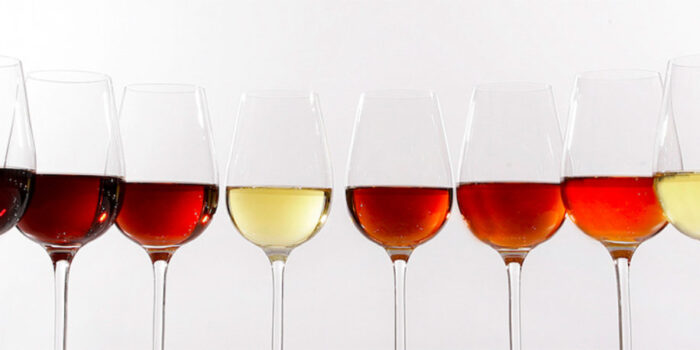
You have to learn to drink sherry. Why is that so necessary? Because it’s simply ridiculously delicious. And, moreover, the perfect accompaniment at the table. Exciting, because once you understand this Andalusian wine, there’s no going back.

To understand the taste of sherry, your brain needs to understand what’s coming. It’s like when you think you’re drinking wine and it turns out to be beer. Or when the bus goes left while you expected it to turn right. So be open to the unexpected. This crash course will guide you through it.
Vinos de Jerez
Sherry is the English corruption of Jerez. Of Vinos de Jerez, or the wines of Jerez. Named after the city of Jerez de la Frontera, the most important city in the sherry region at the southernmost tip of Spanish Andalusia.
Sherry styles
There are four dry sherry styles. From light to full-bodied, they are: the fresh Fino (including the refined Manzanilla from Sanlúcar de Barrameda), the aromatic Amontillado, the complex Palo Cortado and the powerful Oloroso. The region also produces (extremely) sweet wines: PX and Moscatel. And then there are various sweet blended sherries, such as Pale, Medium and Cream.
What exactly is sherry?
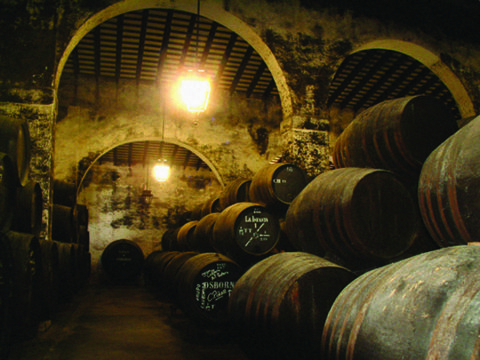
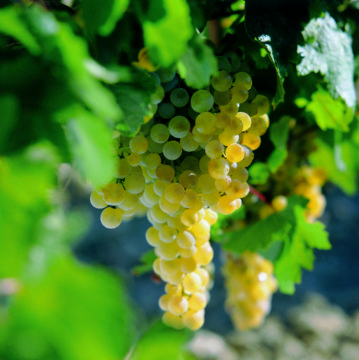
Sherry is simply wine. Made from 100% grapes. Usually from the white Palomino grape. Sweet sherry comes from Pedro Ximénez (PX) or Moscatel. Sherry is fortified, but the lighter styles still contain only around 15% alcohol. Comparable to a robust red wine. The main difference lies in the mysterious ageing process in a stack of barrels, known as the solera system.
How does sherry age?
In that stack of barrels, wine from different vintages is mixed and blended for years. The youngest wine is at the top, while the bottom contains a mixture of the oldest wine. Inside such a barrel—which is three-quarters full—something special happens. Thanks to the local maritime climate, a fluffy layer of yeast grows there. It lives on and from the wine.
With flor
This layer (flor) seals the wine off from oxygen. It gives sherry its unique character and colour. As a result, the wine becomes drier, less acidic and develops all kinds of nutty and briny aromas and flavours. The fresh, dry Fino and Manzanilla age entirely under this flor. The richer Amontillado partially does.
Without flor
Some barrels develop no flor—by accident or deliberately through the addition of extra alcohol. In that case, there is contact with oxygen and no little fungus feeding on the wine. This produces different colours, aromas and flavours. Palo Cortado and Oloroso (17–22% alc.) age this way. That is why they are darker in colour and richer and fuller in flavour.
What does it taste like?
Sherry always has a slightly nutty and yeasty aroma. And because it is fortified, it sometimes brings port or other spirits to mind. But there are too many sherry styles to sum them up with a single flavour. It ranges from spicy, bone-dry wine with briny almond notes (Fino, Manzanilla) to syrupy and intensely sweet, with chocolate and raisins (PX). And everything in between. So just try them out.
What do you eat with it?
That’s simple. Almost anything works. And sherry often pairs even better than regular wine. From olives, Ibérico or sushi with the refined Fino and Manzanilla, to a stew with the robust Oloroso. If you can’t decide, use this mnemonic: If it swims: Fino & Manzanilla. If it flies: Amontillado & Palo Cortado. If it runs: Oloroso.
Tip: drink sherry from a wine glass, not from one of those miserly little sherry glasses. All the aromas and flavours come through much better that way.
Read also:


