


5 mistakes with braised meat you’ll never make again
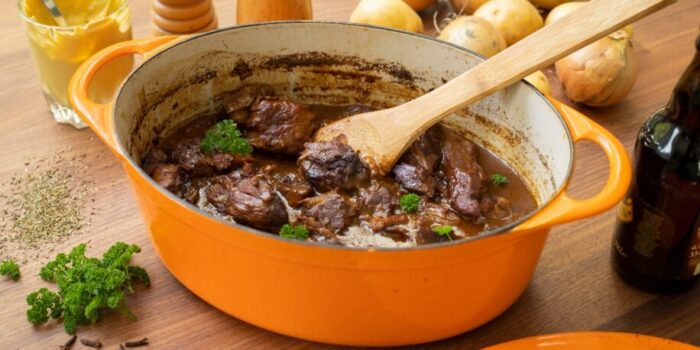
Whether it’s boeuf bourguignon, rendang, ossobuco or simply a Dutch braise with fries: braised meat is pure comfort food. It smells fantastic, warms you from the inside out and, when done right, the meat practically melts in your mouth. But—and this is a painful truth—there are plenty of mistakes with braised meat that even the biggest meat lover still makes.

So: put your pan on the stove, grab your spoon (or a glass of wine—just as important) and avoid these blunders.
1. You use the wrong cut of meat
The first mistake is immediately the biggest one: choosing the wrong meat. For braised meat, you need cuts that have really had to work; muscles with connective tissue and fat. Think neck, brisket or shoulder. That connective tissue slowly breaks down during simmering and creates that magical, buttery-soft texture.
But if you accidentally choose a tender filet mignon or pork tenderloin, after three hours of simmering you’ll end up with a tough sole. And that’s a shame, because braised meat is meant to turn cheaper cuts into a feast. Pro tip: ask your butcher for the best cuts for braising.
2. You don’t brown the meat
Yes, I know: you’re hungry, the house already smells delicious from the onion and garlic, and you just want to get on with it. But if you don’t brown the meat thoroughly first, you’ll miss out on half the flavor.
Good browning = caramelization. That means a beautiful deep brown color, not gray, watery cubes. Place the meat in a single layer in the pan and cook in batches; otherwise, you’ll steam it instead of frying it. And don’t forget: the browned bits left in the pan are liquid gold. Deglaze them with wine, stock or beer and your sauce will become rich and intense.
3. You’re too impatient
Braised meat isn’t fast food. This is slow cooking at its best. So don’t turn up the heat because you want results “a little faster.” That will leave your meat dry on the outside and tough on the inside.
Braised meat needs to simmer. Gently, calmly, for hours. And yes, sometimes you need to keep an eye on it to stir or add liquid. But trust me: you’ll be rewarded with silky-soft meat. Or as a wise man once said: “You make braised meat with patience, wine and love—in that order.”
4. You don’t use a meat thermometer
You may think a thermometer is only for steak or chicken. Wrong. Braised meat also has an ideal internal temperature. At around 89 ºC, the meat is just right: tender, but still firm enough not to completely fall apart.
And sure, braised meat will forgive you an extra fifteen minutes, but if you go hours too far, you’ll end up with shredded meat that’s more like pulled beef. Delicious in a sandwich, but not what you want with your bourguignon.
5. You don’t let the meat rest
Braised meat is just like a good steak: it needs to rest for a while. When it’s done, turn off the heat and let the pan sit for another thirty minutes or so. This allows the meat to absorb the flavors of the sauce better and makes your braise even fuller and richer.
And yes, I know it’s difficult with that smell filling your kitchen. But trust me: that extra waiting time is the difference between “tasty braised meat” and a “holy braised-meat experience.”
Bonus: tips from readers (and their grandmothers)
FavorFlav readers shared their best tips, and they’re too good not to pass on:
Add balsamic vinegar for tender meat and a deep color. (Thanks, Suzanne!). Liège syrup was also recommended, as was dark chocolate through the sauce for extra shine and depth in your braise (thanks, Eddie and Ann Bo!).
Cook in the oven at 100 degrees after browning. Less stress and less sticking. (Astrid is a fan.)
Use turkey as braising meat. Surprising, but according to Lieve, “always tender.”
Pork cheeks are the holy grail for many: buttery-soft after two hours of braising.
Use a pressure cooker: ready in 45 minutes as if Grandma had been cooking for three days. (Luc, we see you.)
And last but not least: deglaze with something acidic—wine, vinegar, tomato or even tamarind. Rodenbach beer is also excellent because it’s acidic. This helps break down the meat better and gives the flavor more depth.
Come on: get in the kitchen!
Braised meat isn’t difficult, but you do have to approach it the right way. With the right cuts of meat, a generous dose of patience and a few clever techniques, you can put a pan on the table that will leave everyone speechless. So remember: don’t rush, don’t mess around with the wrong cuts of meat, and above all: enjoy the process. Because as we all know, making braised meat is just as enjoyable as eating it. For example, try this boeuf bourguignon or this best rendang ever.
Also read:
- Five really good tips for freezing (and thawing) meat
- The right internal temperature for every cut of meat
- The secret ingredient for incredibly tender meat


