


Common mistakes when preparing shrimp
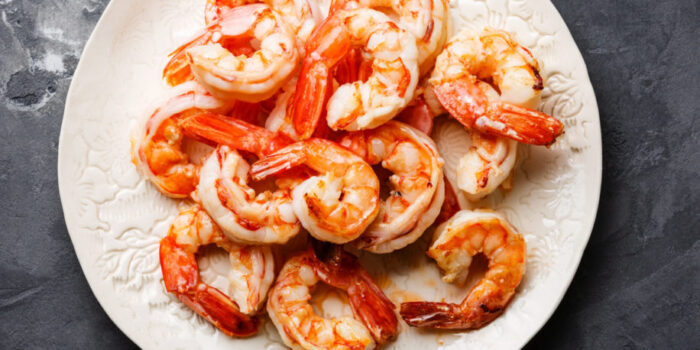
When you eat out, the shrimp are always plump and juicy, exactly how you want them. When you try to recreate that at home, you often end up with a tough bite. What a shame. In any case, make sure you don’t make these mistakes.

You buy fresh shrimp
Fresh is always better than frozen, right? Not when it comes to shrimp, unless they are still alive when you buy them. That’s because all other shrimp in the Netherlands are frozen first and thawed again by the time they are lying at the fishmonger’s. You have no idea how long they have been there, so it’s better to buy them still frozen and thaw them yourself.
This is especially important with shrimp that still have their heads attached. The head contains an enzyme that can make the meat mushy if it is not removed from the body quickly. Frozen shrimp are often cheaper too, so it’s a typical win-win situation.
You buy precooked shrimp
Precooked shrimp are fine if you’re making Vietnamese spring rolls or a shrimp cocktail. But if you’re also going to fry them, you can bet those things will become incredibly tough. Always buy raw shrimp. They are gray, not pink.
You don’t clean them
Okay, this has nothing to do with how juicy the shrimp will ultimately be, but nobody wants to chew on a dark intestinal tract. Yuck. Always clean shrimp by making a small cut along the top of the back. If you’re eating the shrimp with the shell on, it’s best to do this with scissors. This exposes the intestinal tract so you can pull it right out. Sounds gross, but it’s really not that bad. It may simply contain some sand and mud. At least it’s a lot less unpleasant than eating the intestinal tract, right?
You don’t dry them
Shrimp are small creatures and therefore have a short cooking time. You want them beautifully caramelized on the outside and tender inside, not tough. If the shrimp are still moist, that moisture ends up in the pan and your shrimp boil instead of searing quickly. By the time all that water has evaporated, your shrimp have the texture of rubber. So always pat them dry.
Dutch shrimp incredibly expensive: what’s going on?
You put them all in the pan at once
Same story as above: putting too many shrimp in the pan causes them to steam instead of fry, and you’ll never get a beautifully golden-brown exterior. If you’re making a lot of shrimp, always cook them in batches or put multiple pans on the heat.
You don’t let the pan get hot enough
You’ll never get that flavorful exterior either if you put the shrimp in a lukewarm pan. The outside needs to sear properly. You never need to fry shrimp as intensely as a steak, but you do want the outside to develop some color, because that also gives it more flavor. Fry the shrimp for 1–2 minutes per side and don’t move them around too much. Just leave them alone and turn them halfway through. Your shrimp are done when the inside of the thickest part (opposite the tail) is no longer translucent in the center.
You leave them in the pan
Are your shrimp done? Great. Remove them from the pan immediately. The pan is still hot, and if they remain in it, your shrimp will continue cooking. What a waste of all that effort.
Shells on or off?
Do you serve the shrimp with or without the shell? It just depends on what you feel like. Are the shrimp going on the barbecue? Then always leave the shells on, as they provide extra protection against the intense heat. The only ‘downside’ is that you and your guests, if any, have to peel them and get messy fingers. Personally, I can’t think of anything better than peeling shrimp and eating them with your hands, but not everyone feels the same way. Know your audience.
When should you remove the shells anyway? When serving the shrimp with pasta or risotto. You wouldn’t want anyone to pick up their cutlery to take a bite of pasta with dirty hands.
Read also:
- Recipe: crispy deep-fried shrimp toast
- How to: prepare scallops
- Cooking without a recipe: preparing a whole fish


