


How to: aquafaba
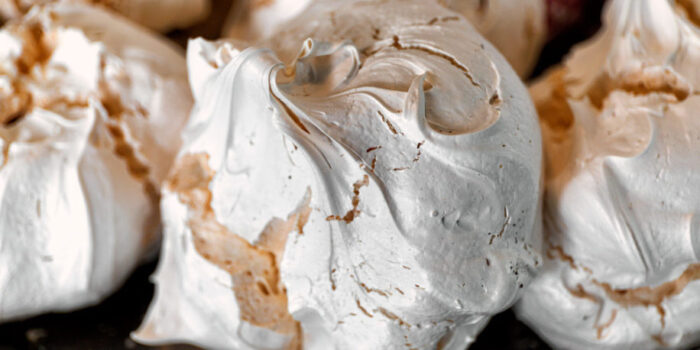
Aquafaba, the liquid from a can of chickpeas, can be a good substitute for egg white. Provided you have an electric mixer. I found out the best way to go about it.

By now, it is well known that you can replace egg white with aquafaba. Recently, I ate a super-light chocolate mousse made with it that tasted like the real thing. I wanted to try that at home. Well, it didn’t exactly go smoothly. Pay close attention, and learn from my mistakes.
Chickpeas
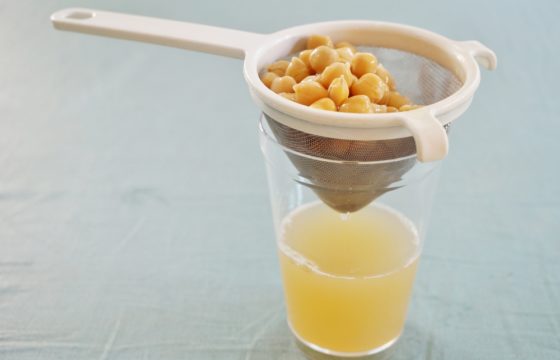
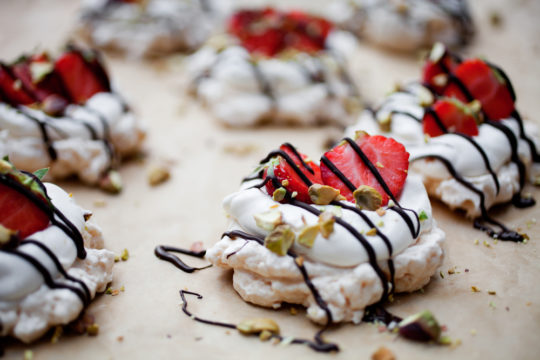
It may feel strange to put chickpeas at the top of your shopping list for a meringue dessert, but you really do need them. Or rather, you need the liquid from the chickpeas. If you buy a 400-gram can, you’ll have enough for 6 people according to this recipe for meringues with coconut cream and pistachio.
I’m mentioning that because I started to panic when I saw how little liquid comes out of a can like that. But remember: you whip it up. It becomes more. Apart from aquafaba, you use exactly the same ingredients as you normally would for a meringue: sugar (a lot), (coconut) cream, rosewater if you’re following the recipe mentioned above, and of course some lovely toppings.
Dead arms
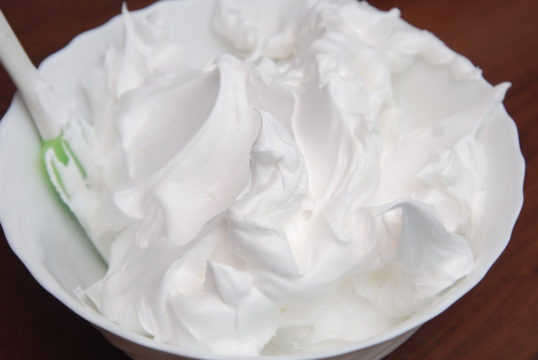
To get straight to the point: with just a hand mixer, I stood there whipping for an hour and a half (!) Give or take. Long enough, at any rate. When the aquafaba finally started to stiffen, it was time to carefully fold in the sugar. This is where it went wrong. The carefully whipped egg white, made with blood, sweat and tears, completely collapsed. What remained was a semi-light egg-white mixture with a lot of sugar and a pair of dead arms.
Because giving up isn’t an option, I continued folding for another fifteen minutes, but to no avail. In the end, everything still went into the oven. Not in little blobs, but in puddles. The recipe says to leave it in the oven for just over an hour, but I waited at least two hours because it didn’t become ‘firm and crisp‘ as it was supposed to. Or so I thought.
‘Until firm and crisp’
Until it came out of the oven. Then it suddenly became súper crisp and súper hard within five seconds. Note to self: egg white hardens as it cools. I should have known. But hey: after tasting a bite, it turned out that the flavor had remained reasonably intact, so eventually I broke off a few shards and stuck them halfway into sorbet with warm fruit. It was fine. Fine, but definitely not pavlova. And there was no strength left in my arms for that whipped coconut cream.
Lessons learned?
So, what lessons have been learned here? First of all: don’t be afraid that your meringues won’t become hard. They will, especially after you’ve taken them out of the oven.
And please, please make sure you have an electric mixer or a food processor. I’m certain this failed dessert would have turned out much better with one. Then they wouldn’t have needed to spend so long in the oven either, because they would have been much lighter. And I would, darn it, still have had energy left for that delicious coconut cream.
Also read:


