


Not sambal but sambol
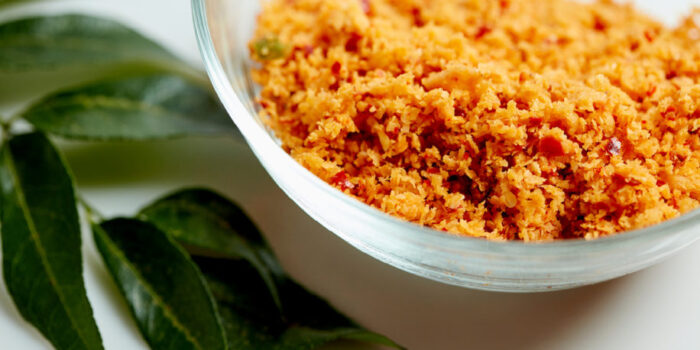
A slice of bread with peanut butter or pretty much any rice dish we can think of is almost unimaginable without sambal. In Sri Lanka, they have their own spicy variant that makes every meal better. Are you already familiar with sambol?

Sambol: when I first saw it on the menu, I thought the restaurant owner simply couldn’t spell very well. Er, guys, it’s sambal! Boy, was I wrong. Whether it’s served with an elaborate rice & curry or with your coconut roti at breakfast; in Sri Lanka, a meal isn’t complete without sambol.
Where Indonesian sambal mainly consists of lots and lots of chilies, sambol has no specific main ingredient. The most common variety is pol sambol, made with coconut, but there are also versions with onions or mint. Most varieties are made with raw ingredients, with the exception of seeni sambol, in which the onions are cooked first. Long story short: the only similarity between the different varieties is the chili powder, which makes every sambol deliciously spicy.
Things can get hot in Sri Lanka—very hot, in fact. So a little freshness during the meal is always welcome. That’s why most recipes also include some lime juice. Feel free to vary things and try different types. We’ve already listed the three most popular varieties for you.
Pol sambol
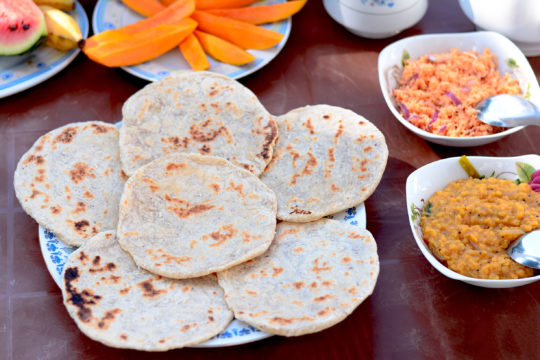
On an island where coconuts fly around your ears, it makes perfect sense to use the freshly grated flesh for the national condiment. This variety is often served at breakfast, alongside your string hoppers (thin noodles) or coconut roti, for example. That latter dish is the reason I fell in love with sambol. The still-warm coconut bread combined with the sweet and spicy sambol is something I’d happily eat for breakfast every day.
Want to make it yourself? Fresh coconut is best, but dried coconut flakes work perfectly well too. Mix them with onions, chili powder, lime juice and salt. You can’t go wrong with this recipe. Also delicious on a grilled cheese sandwich or simply with rice.
Lunu miris
Another simple recipe. This sambol is made with raw onion combined with chili, lime and maldive fish. You may have to search a little for that last ingredient. It’s dried tuna, which gives this sambol a very savory flavor. You can sometimes find it at larger Asian supermarkets or exotic food shops, but you can also use Japanese bonito flakes.
You can use lunu miris just as you would Indonesian sambal: to give any dish some extra heat. Here’s how to make it yourself.
Seeni sambol
For this onion sambol, the onions are first slowly caramelized. Take your time with this. It may take a little longer than stated in the recipe, but it’s worth it. This version is very similar to the onion chutney we know from India and tastes good with just as many things. Spread it on bread, eat it with your (lamb) meat or dip your chips in it. Make seeni sambol at home with this recipe.
Also read:


