


Step by step to the perfect lasagne
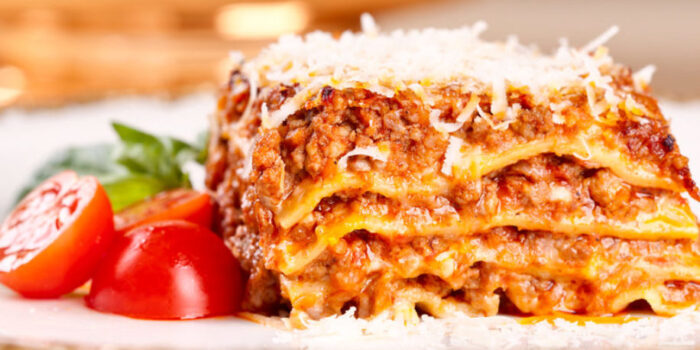
The sight of a huge dish of pasta bubbling away as it comes out of the oven instantly brings comfort. Even with ready-made sauce and pasta sheets, you can make a really good version, let alone if you make everything from scratch. A wonderful weekend project, and if you follow these steps carefully, the result will be incredible.

The dough
Of course, you can easily buy ready-made sheets at the supermarket, but anyone who really wants to impress their guests makes their own lasagne sheets. Their texture is much softer and more delicious than that of sheets from a box, trust me. In principle, you can use your favourite pasta dough recipe here if you already have one (or use this recipe). Roll the sheets out thinly and dust them with flour so they do not stick together.
It is important to let the dough rest after kneading; do not skip this step. You can certainly let it rest for longer than 30 minutes. While resting, the flour absorbs the water, giving you a strong dough that will not tear when you roll it out. Have you got carried away and can no longer stop rolling? The sheets will keep for about three months in the freezer; store them with a piece of baking paper between them.
The sauce
Classic lasagne contains a good amount of bolognese sauce, alternated with béchamel. For the bolognese, do not reach for that glass bottle of tomato sauce, mince and Italian stir-fry vegetables, but make it properly. Bolognese is primarily a meat sauce, not a tomato sauce, and is best when you let it simmer for as long as possible. Here we give you an in-depth explanation of how to make the very best version.
For the béchamel, heat 75 g butter in a pan until bubbling. Add 30 g flour and cook for about 1 minute, stirring constantly. Gradually add 750 ml warm milk, continuing to stir well as you bring the sauce to the boil. Keep stirring until the sauce thickens, then season with a pinch of nutmeg and salt.
Of course, you can also use other fillings, but always make sure there is a creamy, cheesy component. For example, this vegetable lasagne also contains béchamel sauce and lots of cheese. My favourite lasagne ever is Jamie Oliver’s crispy duck lasagne. For this, you roast a whole duck in the oven. You pull the meat for the ragù, and finely grind the skin with breadcrumbs and rosemary before baking it as a crispy topping. Seriously, it is insanely delicious.
Assembling
Now that the dough and all your sauces are ready, it is time to assemble. As with any pasta, the key is not to drown it in sauce. Lasagne is indulgent and contains plenty of sauce, but you should still be able to taste the pasta properly. Aim for approximately 250–350 ml of each sauce per layer in a 30×20 cm baking dish. That gives you the perfect ratio.
Always pre-cook the pasta briefly; fresh pasta only needs about 3 minutes. Then rinse it with cold water so it does not continue cooking. Make 5 to 6 layers and always make sure you finish with something creamy. This can be the béchamel, but it can also be cheese. After all, you want that bubbling, golden-brown top.
Baking
Bake the lasagne for one hour at 160ºC, covered with aluminium foil, until the sauce is bubbling at the sides. Remove the foil and bake for another 10–15 minutes at 220ºC, until the top is beautifully golden brown. This gives you the perfect doneness and the perfect crispiness. Buon appetito!
Also read:
- Tips for the ultimate bolognese
- I made vegetarian spaghetti bolognese
- 18 recipes you should know by the time you are thirty


