


3 things you need to check when you want to buy a good bottle of olive oil
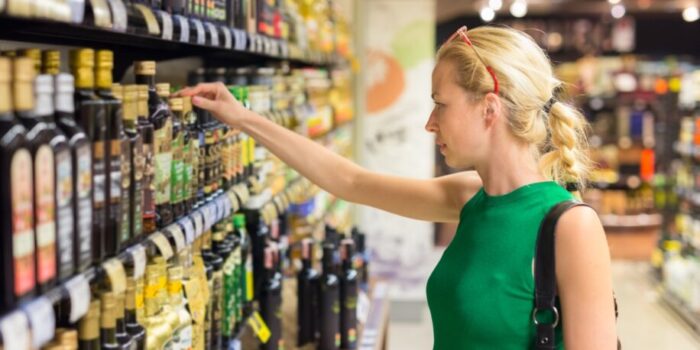
Shocking: we Dutch people are throwing olive oil made from rotten olives into our pans en masse. So we could definitely pay a little more attention to what we bring home, don’t you think? When buying olive oil, there are a few things that are important to remember. That way, you’ll always score top-quality oil that’s as fresh as possible.

The best-quality olive oil? That’s extra virgin olive oil. ‘Extra virgin’ means that the oil comes from the first pressing. No heating or chemical processing is involved; pure, fresh olive oil, in other words. Healthy too, because natural vitamins and minerals are preserved in this oil. That’s because the acidity level may not exceed 0.8. The quality is top-notch, the flavor is delicious, and that’s exactly why you really only want to go for extra virgin olive oil anyway.
If you really want to buy the very best bottle of olive oil, what else should you look out for?
1. The harvest date
You can probably find the best-before date on the bottle. But do you also see the harvest or pressing date? It indicates when the olives were harvested or—indeed—pressed. These dates are what really tell you how fresh the olive oil is. Can’t find them on the label? A specialist olive oil shop will surely be able to tell you more about them.
2. The material (and color) of the bottle
Be honest: a glass bottle of olive oil (with a beautiful label) looks incredibly cute on your kitchen counter. It turns out that buying a glass bottle instead of a plastic one really is better, too. Light-colored plastic bottles in particular are a definite no-go. They let in too much light and heat, causing your olive oil to deteriorate quickly in quality. Dark glass protects your oil much better. A tin is also a good option!
3. The size of the bottle
It might seem appealing to buy those enormous bottles. They’ll last you a nice long time, you might think. But you’re actually better off choosing a smaller bottle. One that you finish completely in about 2 to 3 months. You want to keep the olive oil as fresh as possible, and if you use a bottle for longer than this period, the quality will deteriorate. Once you’ve opened the bottle, oxygen gets to the oil, which affects its quality.
Olive oil has become extremely expensive in recent years. Pay close attention to what you buy, so you get value for your money. That also means comparing prices at different supermarkets (this price difference between Albert Heijn and Dirk is bizarre, for example). But remember: very cheap is often not a good sign. You simply have to pay quite a bit for a good bottle. Can’t make heads or tails of it? Stop by an olive oil specialist and ask for advice. Believe us, doing your research is worth it.
Also read:


