



5x fruit and vegetable peels you shouldn’t throw away
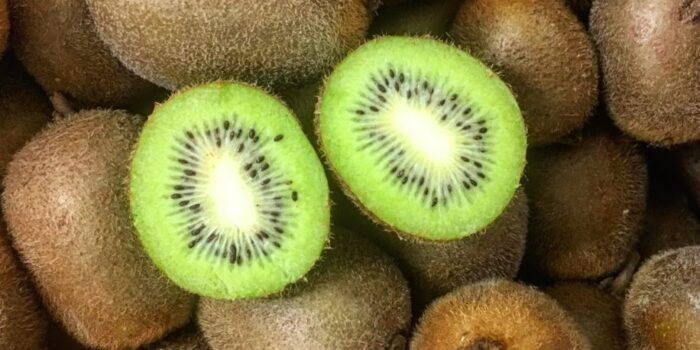
Some people might call you lazy if you don’t peel your vegetables and fruit, but you know better: they’re full of fiber and vitamins, you think as you take a bite of an unpeeled kiwi. Excuse me? Yes, really—and just look at which other surprising peels you should never simply throw away.

Be smart and just eat these fruit and vegetable peels
Luckily, we’ve all reached the point where we grate citrus zest over absolutely everything without a second thought using our trusted Microplane… And look, we’re not saying it’ll make you live years longer, but if you don’t want to throw away those extra nutrients and want to cause less food waste in general, it’s useful to know that these peels can simply be eaten or prepared!
Watermelon
We don’t recommend eating the hard green outer layer (you can remove it with a vegetable peeler), but that firm white inner part of the rind is such a shame to throw away! It contains vitamin C and vitamin B6, as well as a substance called citrulline; a healthy amino acid. It’s naturally not as sweet as the red flesh of the melon, but it’s delicious to, for example, make pickles with, fry along in a stir-fry, or blend into a smoothie.
Kiwi
I admit I was also stunned the first time I saw someone take a bite from an unpeeled green kiwi like that, but ever since then I’ve also been eating kiwis without peeling them. When you wash a kiwi under running water, you already rub off quite a few of the little hairs, and eating it with the skin gives you an incredible amount more fiber and minerals.
Carrot
We understand that with a gnarled, rough winter carrot, you might first want to run a vegetable peeler over it. But other carrots? Just scrub them under the tap and don’t lose any of the antioxidants! Bought stubbornly scraped carrots anyway? They may suffer from ‘carrot blush‘. This isn’t mold, but a white discoloration that develops when the outside dries out. Place them in a bowl of water for a moment and they’ll be as good as new.
Apple
If you’re no longer two years old, you should simply be able to eat your apples with the skin on, as far as we’re concerned. They contain fiber and vitamins, and although even the Netherlands Nutrition Centre says that the skin of one apple won’t make the difference between being healthy or unhealthy, it’s still a good way to throw away less food. Except when you’re making apple pie—then we’ll let it slide.
Mango
Yes, biting straight into an unpeeled mango is taking things a bit far. But a small piece of the skin, finely chopped and blended in, gives your smoothie a distinctive, slightly ‘green’ aroma. I always find the piece of flesh near where the stem was the tastiest: that’s the flavor you get when you purée a little skin along with it.
Also read:
- Can you eat figs as a vegan?
- Is raw vegetable healthier than cooked vegetable?
- Chef’s favorites with Rapper Donnie: ‘I prefer fattier things to healthy things’


