


7 insider tips from chefs to improve everyday dishes

Curious about the tips & tricks a pro chef has up their sleeve to make everyday dishes—or at least dishes that many people prepare at some point—just that little bit more interesting? So are we!

Because often, it’s a small difference in the kitchen that makes you wonder, when eating a slice of cake or something as simple as a toasted sandwich in a restaurant: what do they know that I don’t?! And that’s why it’s so fantastic that these three chefs were willing to share their tricks for eight commonly made dishes. Chefs Sara Hauman, Krystal Craig and Ian Thurwachter spill the (culinary) secrets:
Cook your potatoes in milk
For the softest and creamiest mashed potatoes, don’t cook the potatoes in water but in milk, says Hauman. Cook them until tender, drain them and add butter (at room temperature) for creamy mash that still doesn’t taste greasy. Think it can be even creamier? Stir in some sour cream too.
Use mayo on the outside of toasted sandwiches
We’re dutifully noting this down, because we’ve genuinely heard it from several chefs. Instead of spreading butter on the outside of the toasted sandwich before it goes into the pan or sandwich press, they recommend using mayonnaise. The milk solids tend to burn, according to Hauman. But personally, I do have a small caveat here. Of course I tried it, but I find warm mayo (flavor) a little ‘gross’. I’m personally not part of the warm-mayo school. Give me a few generous swipes of butter on the outside for the very best pan-toasted sandwich!

Don’t use inferior chocolate for chocolate chip cookies
Not exactly groundbreaking, but pastry chef Krystal Craig is happy to point out that the better the quality of the chocolate you choose, the tastier your cookies will be. She isn’t strict about the percentage of cocoa solids; go for milk chocolate if that’s what you like best. But try to buy the best quality you can afford. She works with couverture as a pastry chef: a chocolate product with extra sugar and cocoa butter added. But you won’t find that in the best supermarket, so choose an alternative that you’d also happily eat as a bar.
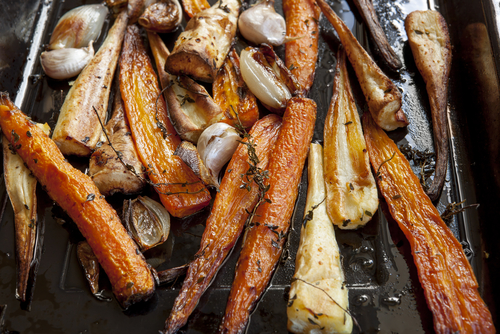
Heat the baking tray along with the oven for the best roasted vegetables
We think roasting vegetables in the oven is absolutely wonderful, and it often happens that half of the golden-brown roasted result never reaches the dinner table because we eat it at the counter, straight from the baking tray. But it’s best when the underside is crispy and roasted too, rather than having a beautiful charred layer on top while the bottom is a little soggy and bland. So: heat the baking tray along with the oven when you turn it on to preheat. Carefully remove it after 10 minutes using an oven mitt and immediately toss the vegetables with the seasonings on the hot tray, then put everything back in the oven. If all goes well, you’ll hear it start sizzling right away—and that’s a good thing!
Blanching 2.0
If you’re not roasting your vegetables but boiling them instead, blanching is the trick that allows your vegetables to retain their freshness, a slightly crisp bite and their beautiful green color. Sara Hauman recommends salting both the cooking water and the ice bath, so you don’t immediately rinse off the salt from the first step. Because salt dissolves less easily in (ice-)cold water, you can first dissolve the salt in a little warm water in a large bowl, top it up with ice-cold water and then add a generous scoop of ice cubes. Your ice bath for the briefly cooked vegetables is ready!
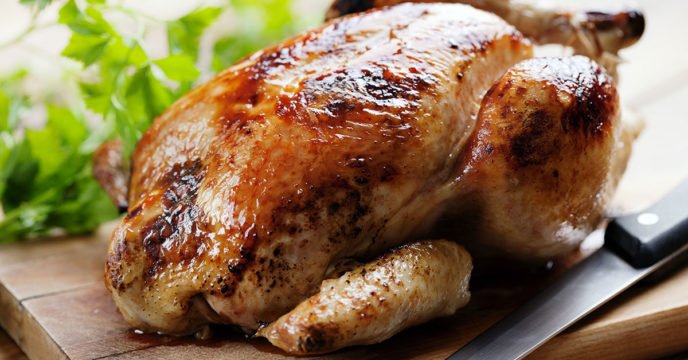
Season the chicken in advance
Ian Thurwachter says it’s best to season your chicken with salt, pepper and any herbs and spices an hour before cooking it. And if you’re cooking chicken with the skin on, carefully use your fingers to rub a little butter between the breast and the skin, loosening the skin slightly with your fingers at the same time.
Keep stirring brown butter
Brown butter can do almost everything ‘regular’ melted butter can, only ten times more delicious. Ravioli with brown butter and crispy sage? Pick me up off the floor. But it also makes cookies and cakes better. So what’s the trick? Keep stirring the butter with a whisk as it melts and browns (of course, only in pans whose surface you can’t damage). When the milk solids begin to caramelize (and that wonderful smell is released—you’ll recognize the moment), they sink to the bottom of the pan, says Hauman. You need to prevent that, because you want that flavor throughout.
So keep whisking nonstop, and as a bonus tip, let me add this: it’s so much easier with a ‘flat’ whisk! It reaches the bottom edge of the pan much better.

Read also:
- 13 mistakes amateur cooks make that professional chefs don’t
- 3 top chefs share their 9 favorite foods from around the world (including sausage rolls!)
- 10 chef tips for the very best sandwiches
Source: Insider


