


7 tips for the best grilled vegetables (+ extra frozen vegetable tips!)
Man, what beautiful weather! BBQ on? If your inner vegetable griller is ready to go beyond courgette, aubergine and bell pepper on the BBQ (or anytime in a grill pan or contact grill), we’re here for you with handy tips. Read here how you can get started with other vegetables just as easily, PLUS how to get frozen vegetables really nice and crispy!

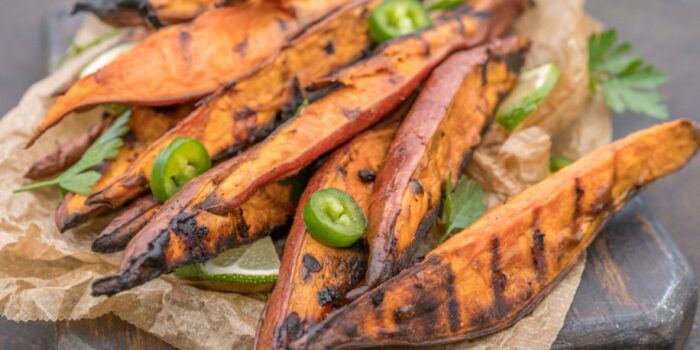
Thin slices of butternut squash (you don’t even have to peel it), sweet potato, fennel, sugar snaps, cauliflower; there are so many options! For some smaller vegetables, you may want to use a grill tray when using a BBQ, but on an electric grill pan you can of course fit everything. With these tips, you’ll make the best grilled vegetables:
Cut them into a handy grilling size
Slices often work best because you can easily turn them over on a BBQ or in a grill pan. For a contact grill, it doesn’t really matter, of course (another reason we’re fans!).
Give them a coating
Before they come into contact with that glowing heat, your vegetables need protection (and flavour!). Always toss them with a little oil and sprinkle at least a pinch of salt over them. It’s also a good idea to grease your barbecue grate or grill pan beforehand with kitchen paper soaked in a little oil. Contact grill plates are often non-stick, so that isn’t necessary there.
Marinate, marinate, marinate
Even better than just a layer of oil is a delicious marinade. It really works for everything! Think about how you would marinate meat and do the same with your vegetables. A fresh vinaigrette also works well, because mustard and acidity are incredibly delicious when they sear into the vegetables with the heat.
Turn up the heat
Most vegetables cook best over medium-high heat, so they brown without burning before they are somewhat tender. By the way, it’s best to briefly blanch root vegetables such as kohlrabi, sweet potato and beetroot (sliced), as well as other potatoes, first (for about 5 minutes). Then roast them until beautifully browned on a hot part of the BBQ, and move them to a slightly cooler part (often the outer edges of the BBQ). Firm vegetables such as fennel slices, butternut squash or cauliflower florets are best seared first on the hottest part and then cooked through on a cooler part. Above all, move them back and forth once you understand how the heat is distributed.
Accessories
When using a BBQ, it can be useful to get some extra accessories, such as a perforated grill tray for smaller vegetables like Brussels sprouts, broccoli florets or sugar snaps. Or see if you still have a fish basket lying around in the shed; you can grill vegetables in that perfectly well too! And a good pair of kitchen tongs is of course indispensable.
Nice grill marks
Those grill marks naturally look extra professional. Not essential, but if you want them, leave the vegetables in one place for at least 2 to 3 minutes before turning or moving them.
Keep an eye on them
This can all happen quickly, so don’t go and do the washing-up in between. Make sure a good serving dish is ready, onto which you can drape all those perfectly grilled vegetables with your tongs as soon as they’re nicely browned and tender. Then dig in!
Bonus tips for frozen vegetables
Maybe you still have a freezer full of frozen vegetables from when you only went grocery shopping once a week. And the familiar dilemma of how to make those vegetables actually taste good, instead of ending up limp, thawed and waterlogged. We get it! In this case, salvation comes in the form of: your oven. And these three tips:
Hot, greased tray
First grease a baking tray with a little oil and heat it thoroughly in the oven. You want the vegetables (don’t thaw them first) to come into direct contact with searing heat. This way, everything thaws quickly and starts roasting immediately.
Crank it up
Yes, turn that oven temperature up nice and high! 220° C is not at all inappropriate here. You don’t want the vegetables to steam until tender instead of roasting beautifully brown, because then you’ll still end up with soggy vegetables. The high heat makes the condensation from the vegetables evaporate, so you’re doing everything right from a roasting perspective.
This too: give them a coating
Toss the frozen vegetables in two tablespoons of olive oil before placing them on the greased hot tray. This also ensures that they heat evenly and become crispy, while absorbing salt, pepper and herbs well (za’atar or dukkah, for example—absolutely delicious).
Also read:
- 5 common mistakes when barbecuing
- Do: grill a whole spring onion
- Jord Althuizen’s barbecue dos and don’ts


