


7x what to do with different types of squash
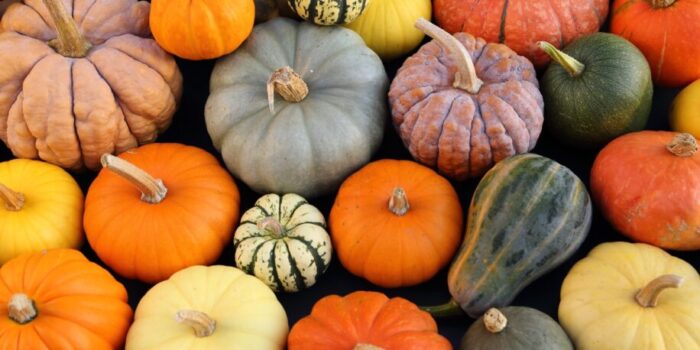
What do you put on the table when squash is in peak season? Soup, risotto or polenta; the orange autumn vegetable is your buddy. But not all squash are the same. We’ll tell you what you can do with each type of squash.

Acorn squash (in English: Acorn Squash)
Acorn squash is fairly small and has a thick, dark green skin and bright orange flesh. This variety has a sweet, nutty flavor. From frying in a pan to steaming in the oven, anything goes. The skin is edible too.
Butternut squash
This pear-shaped squash, familiar to many people, has smooth skin and is always a little orange-beige in color. It’s the sweetest of them all. Ideal for roasting or making a delicious squash purée.
Blue Hubbard squash
Blue Hubbard has a light gray color and bumpy skin. The flesh is firm but works well in soups or—also delicious—when slowly roasted in the oven. Because it has such a hard skin, you can also store it for a long time.
Kabocha squash
This squash originally comes from Japan. It is round, with dark green skin and yellow flesh. Like butternut squash, Kabocha is sweet and nutty. Its texture is similar to that of sweet potato, making it perfect for use in baking recipes.
Hokkaido squash
Small but perfectly formed, this squash. Hokkaido has dark orange skin and bright orange flesh. When you cook this squash, it develops a sweet chestnut flavor. This is another variety you can use for anything, but it becomes especially smooth when puréed.
Spaghetti squash
Spaghetti squash has a somewhat elongated shape and can be recognized by its pale yellow skin. When you cook the squash, the juicy strands of flesh look rather like spaghetti. It has a mild flavor but, compared with the other varieties, is not sweet. You can easily scrape the strands out of the skin and use them in, for example, a curry, but you can also stuff it.
Read also:
- Crazy squash aren’t allowed in the supermarket
- How to peel squash easily
- Daniele Baressi makes art from potatoes and squash


