


About the ‘shame snack’: the very last snack on the platter
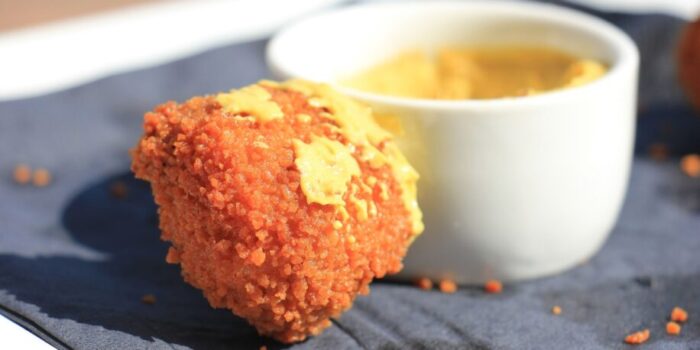
The last bonbon in the box. One more piece of cheese on the platter. The very last snack from the deep-fried selection. Whatever snack is going around the group, one thing will happen: the very last one will be left behind. What is it about that one remaining bite that makes us not touch it with a single finger?

When I recently celebrated my birthday, I learned that there is a word for this phenomenon: the ‘shame snack’. I think it means that we are literally ashamed to take the last bite. You just know that the rest of the group will think something of it if you grab the last chocolate, crisp or slice of cake from the table. Even if it is only a thought lasting a split second. And that is why it remains untouched.
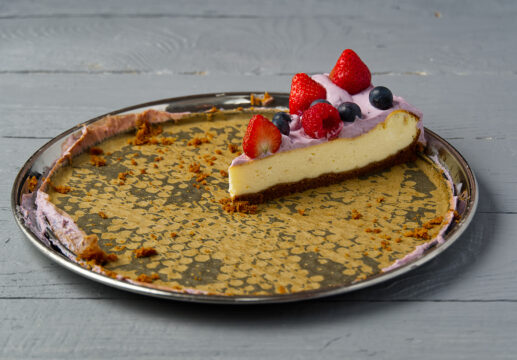
Naked, bare, all alone. As if the snack itself is also a little ashamed that it is lying there so pathetically, waiting to end up in the bin. Or to be secretly eaten by the host of the evening after all, when they clear the platters from the table and flee to the kitchen.
Taking the shame snack is antisocial
So it is clear: we are ashamed to be the person who puts the last bite in their mouth. We simply consider it antisocial towards the rest of the group. Because if you are the one who takes the last snack, you deprive someone else of that opportunity. While that other person may have really been craving that last bitterball or slice of pizza. How would you know! We want to be polite, not be the person who snatches everything away right in front of someone else.
The second-to-last bite
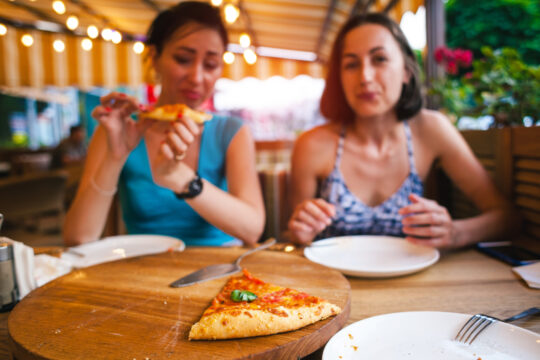
Quest previously investigated the ‘shame snack’ phenomenon. They were mainly interested in the question: what do we do with the second-to-last bite? Because if there are three or more of you, you are automatically depriving someone else of the chance to take that second-to-last (or technically last) bite. So who is the antisocial one in the group?
Research from the University of Berkeley showed that the person designated as the leader was almost always the one who reached for the second-to-last bite. Funny: that person also turned out to be the one who came across as rude in other ways. For example, by eating with their mouth open or making chewing noises. Hmm… Either the leaders slipped very easily into their more dominant role, or their secretly antisocial side was simply brought to light very clearly.
The last nasi ball
My take on the phenomenon is: why are we unconsciously so preoccupied with it? There are undoubtedly more platters of snacks on the table, so undoubtedly more shame snacks will be left behind too. Then everyone—or at least most people in the group—can still take a delicious final bite, right? Or just say it out loud. ‘Guys, I am genuinely addicted to nasi balls, so I’m taking the last one. Is that okay?’
In the worst case, a serious discussion will start and you will be openly called an antisocial nasi-ball fiend. Well, so be it. That says more about the antisocial person who called you antisocial than it does about the fact that you, an antisocial person, wanted to take that last nasi ball.
Also read:
- Shopping-cart test reveals: are you antisocial or super sociable?
- 6 things that are too antisocial to eat in public, part #3
- 10 of the most antisocial tips we have ever seen
Source: Quest


