



Buying spices? Pay close attention to these 8 points
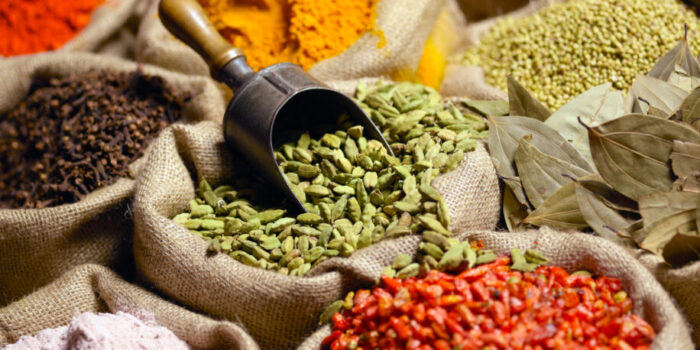
Nothing beats cooking with spices. They give your dishes so much more depth. But when buying spices, there are several things you need to pay attention to in order to ensure you get the best quality and that the flavor remains optimal. That’s why we’re sharing the 8 most important points you need to know when buying spices.

Let’s start at the very beginning. What exactly is a spice? And what is the difference between herbs and spices?
Herb or spice?
A spice is often confused with an herb, but they are not the same. A spice is a dried part of a plant – such as a seed, fruit, root, bark or flower bud – used to add flavor and aroma to dishes or drinks and to preserve food. Herbs consist of the leaves of the plant, such as coriander and parsley. Depending on the definition you use, dried herbs also fall under spices, because when you dry herbs, their possible applications change and they become equivalent to those of spices.
Pay close attention to these 8 points when buying spices
1. Freshness of the spices
- Check the expiration date: spices have an expiration date, but they often lose their aroma and flavor before they actually expire. So always check the date and preferably choose the freshest spices.
- Buy small quantities: spices retain their flavor best when they are not stored for too long.
2. Whole spices versus ground spices
- Whole spices often have a much fresher and more powerful flavor than ground spices. They keep longer because they are less quickly exposed to air and moisture, which break down their aroma and flavor.
- If you buy ground spices, choose a smaller package that you can use quickly.
3. Look at the packaging
- Airtight and lightproof packaging: spices should be stored in packaging that prevents them from coming into contact with air, moisture or direct sunlight. Dark glass or other dark packaging is ideal, as it protects the spices from harmful UV radiation.
- Packaging without a chemical smell: avoid spices in plastic packaging that may release odors or substances.
4. Color and aroma
- Pay attention to the color: the color of spices can tell you a lot about their freshness. If the spice looks dull or faded, there is a good chance it is old and less flavorful.
- Smell the spices: the aroma of a spice is an excellent indicator of freshness. It should have a powerful and aromatic smell.
5. Quality and origin
- Buy from reliable sources: look for suppliers known for their quality products, such as specialty herb and spice stores.
- Origin: pay attention to the country of origin and the specific varieties. Sri Lankan Ceylon cinnamon, for example, is much more aromatic than cassia cinnamon.
6. The difference between organic and non-organic spices
- Organic spices may be more expensive, but they are often free from pesticides, artificial fertilizers and other chemicals.
- Non-organic spices are sometimes cheaper, but they may contain pesticide residues, especially if they come from regions where strict control measures are lacking.
7. Spice blends versus pure spices
- Spice blends such as garam masala and curry powder can be convenient, but check the ingredients list. Some blends often contain non-essential additives or have been on the market for a long time, making them less intense in flavor. You’re much better off making them yourself. In The Spice Bible, you’ll find more than 25 spice blends.
8. Check for mold or insects
- Spices, especially those in powdered form, can be susceptible to mold or insect infestations. Visually inspect the spices and smell them before buying. When storing spices at home, make sure they are kept in a dry, cool environment and stored tightly sealed.

Title: The Spice Bible
Author: Paulami Joshi
Price: €34,99
Publisher: Carrera
Also read:


