


Buying whisky by flavor? Here’s how to do it
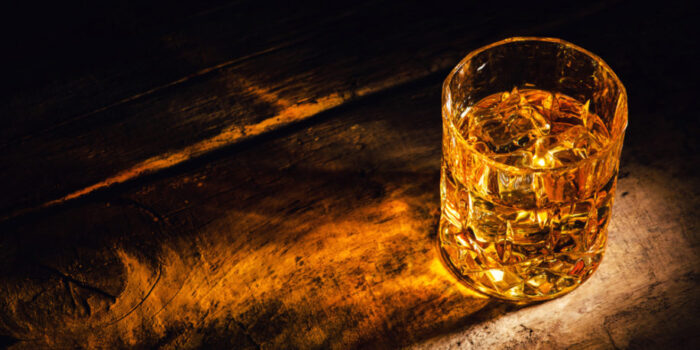
Confession: I’m crazy about whisky, but aside from some vague terms and a handful of brand names, I know very little about it. As a result, I get completely overwhelmed by the huge selection in the store time and time again and have no idea where to start. Sound familiar? Whisky expert Sietse Offringa gives us a crash course.

For context: Sietse is not only a whisky enthusiast and ambassador for Edrington (which includes brands such as The Famous Grouse and Macallan), but also the son of whisky connoisseur and author Hans Offringa. In other words: someone who has had whisky practically spoon-fed to him (figuratively speaking, of course).
Anyway, Sietse, where do we start?
“Let’s start with the basics; whisky is essentially distilled beer aged in wood. As soon as you know which grains, stills and casks are involved, you’ve got the essence.”
The cask
American vs European oak
“The cask in which the whisky has matured determines up to 80 percent of the flavor. Generally speaking, two types of oak are used: American oak and European oak. You could compare it to the difference between a lemon and an orange. American oak gives the whisky a fresher flavor, while European oak gives it a somewhat spicier, sweeter flavor.”
Wine vs bourbon casks
“Along those lines, you can distinguish between former bourbon and wine casks (such as sherry or port). Bourbon is more often matured in American oak, while wine casks—especially sherry casks—are made of European oak. As a result, you can detect more vanilla and citrus flavors in whisky matured in an ex-bourbon cask, while whisky from a European oak cask is generally somewhat fruitier and spicier. Spirits such as bourbon have also already extracted more flavor from the cask, meaning the cask has a gentler influence on the whisky.”
First-fill vs refill casks
“There are also first-fill and refill casks. A first-fill cask doesn’t mean it’s a brand-new cask, but that whisky is being matured in it for the first time. With a first fill, the whisky takes on the strongest flavors from the wood, making it a more active cask and resulting in a more intense flavor. The more often a cask is used, the less active it becomes and the more elegant its influence on the whisky.”
Age
“It’s often assumed that an older whisky is automatically smoother and richer, but it all depends on the cask and the distillery. With an active cask, finding the right balance becomes increasingly difficult as the whisky gets older; a refill cask is much more balanced in that respect.”
Color
“Apart from straight bourbons, almost all whiskies are colored. This is mainly done to even out color differences between batches. A pale yellow whisky won’t be colored until it becomes dark brown. What does the color say about the flavor? In the case of a natural color (e.g. The Macallan, Highland Park, Bruichladdich), a darker color often means a more intense tasting experience. A lighter color suggests a fresher and more elegant character. Except when it comes to smokiness, of course—a whisky can still have a light color but a full, smoky character, in which case it’s hard to call it elegant.”
Single malt or blend
“Single malt whiskies come from one distillery, are made from malted barley and offer enormous variety in character. Blended whiskies are a mix of whiskies from different distilleries, generally much more consistent in flavor and more approachable. Whisky geeks often consider malts more interesting, but blends are by far the most widely consumed.”
Country
“The country of origin mainly tells you something about the rules distilleries have to follow when making whisky, which grains they use and, as a result, something about the production process.”
Scotland
“In Scotland you’ll find the greatest variation among whiskies, from elegant to rich and spicy and from fresh and sweet to smoky. Although most Scottish whiskies aren’t smoky, you’ll often find smoky whiskies there. That comes from the peat used in the kilns to dry the malt. There are also major differences in peat: peat made up of moss and fern gives off a medicinal smoky aroma, while peat consisting of heather can provide a more aromatic, floral character.”
Ireland
“Irish whiskeys have built a reputation over the past few decades as smooth, pure whiskeys. These days, however, production is much more diverse, resulting in a variety of flavors that continues to grow. Ireland is also the only country in the world to make ‘pot still whiskey’, a whiskey distilled from a combination of malted and unmalted barley.”
America
“Do you prefer something sweeter? Then see what American oak can do and start exploring bourbons. Bourbons and Tennessee whiskeys are both made with 51 percent corn, which also gives them a somewhat sweeter flavor. Another popular American style is rye whiskey, made mostly from rye, which gives the whiskey a spicy character. There are also single malts and blends from the US.”
Canada
“Canada is mainly known for its approachable, consistent whiskies. This has to do, among other things, with the fact that it is the only country in the world allowed to add a small percentage of fruit wines, such as plum wine. This allows them to even out differences between casks and provide consistency in flavor. Canada also produces a lot of rye whisky, because, as in the States, it is a grain that has traditionally been easy to cultivate.”
Japan
“Japan is a very fun whisky country because it leaves a lot of room for innovation. There are few rules, so experimentation is possible. For example, there are distilleries there that make both malt and grain whisky or use different types of stills. The funny thing is that Japan initially made very traditionally Scottish ‘schooled’ whisky, but through its blends and the use of Japanese oak—which can give whisky a floral effect—it has developed a very distinct signature of its own.”
Tasting
“The only way to really find out what kind of whisky you’re dealing with, of course, is to taste it. At the liquor store, you can simply ask whether they have something open that you may try. That’s not strange. Another thing you can do is write down a few names of whiskies that seem interesting to you and taste them at a whisky bar with a few good friends.”


