



Chimichanga is the burrito for those who can handle it even fattier
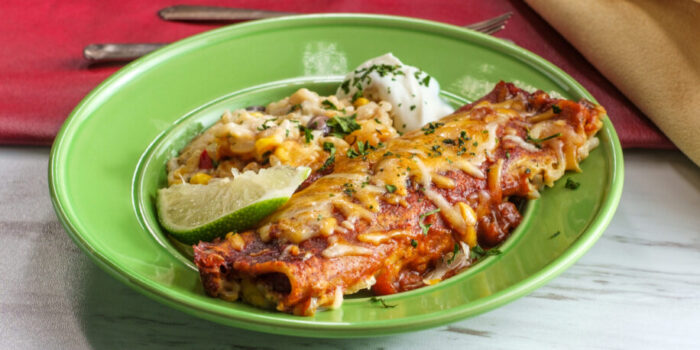
Mexican food is generally one big colorful celebration, with savory earthy flavors from the use of beans and mole, the hearty umami of meat fillings and dishes, and, to contrast that beautifully, the necessary freshness of acidity from ingredients such as limes and the fresh green notes of cilantro. I’ll readily admit that these are generalizations, because Mexican cuisine is broad and has plenty of surprises in store. And this classic is definitely one to try at least once!

Have you ever heard of a chimichanga? It’s worth mentioning right away that this dish is particularly well known in the southern United States, where, thanks to history and proximity, the ‘incorporated’ Mexican cuisine has become a world of its own. Tex-Mex probably sounds familiar; the fusion of Mexican and Texan cuisine, or Cal-Mex – where California and Mexico come together. And Mexican culinary influence is also strong in Arizona, which makes me insanely jealous…
Thou shalt not swear
Back to that chimichanga. The origin of the name isn’t set in stone, but the story goes that a woman in Arizona once dropped a burrito into hot oil because a couple of children bumped into her. Yes, that is indeed extremely dangerous, but when she wanted to swear, she held back because of the children and blurted out the made-up exclamation ‘Chimichanga!’ on the spot. Voilà, the chimichanga had been born.
One thing leads to another
Whether this is a tall tale or not, that burrito is essential to the story. A chimichanga is a burrito that is fried after being filled. Deep-frying is absolutely the Original Gangster way to do it, but some people prefer to cook chimichangas in a frying pan, oven or air fryer. That means less fat goes into this already incredibly heavy dish.
Close relatives
It’s obviously the ultimate hangover food. In my early teens I didn’t get hangovers, but I did have plenty of Texans around me, and it was always a party when chimichangas were made at their house. The biggest difference between chimichangas and burritos is, of course, that one is deep-fried and the other isn’t. This also means that fresh elements such as guacamole and tomato salsa aren’t counted as part of the tortilla filling (as they can be with a burrito), but are served alongside it as side dishes.
All shapes and sizes
The similarity is that both chimichangas and burritos are generally filled with seasoned, cooked meat, grated cheese, sour cream, spring onion, black beans and possibly rice as well. Vegetarian and plant-based versions are naturally also very possible. But whichever one you make, it’s sure to be a celebration! Imagine a bottle of Corona (because when it comes to laying the foundation, you’re all set), add a mariachi band in your imagination and you’re done…
Read also:
- Making your own burritos? Don’t skip this step!
- 7 Mexican dishes they don’t eat in Mexico at all
- Stocking your Mexican pantry is this easy


