



‘City Deal’ signed for a healthier food environment
Rotterdam, Utrecht, Almere, Amsterdam and Ede are the first cities in the Netherlands to sign what is known as the City Deal; a large-scale action plan to protect and promote citizens’ health when it comes to food. The availability of healthy and sustainable food must be expanded, and major steps are needed to achieve this.

In concrete terms, this means that the availability of healthy and sustainable food must be expanded in vulnerable neighbourhoods and around schools and public buildings. The national figures for young people and adults who are overweight are worrying, and if this continues, a staggering 62% of adults will be overweight in 2040. That certainly sets off the alarm bells…
Working together for a healthier Netherlands
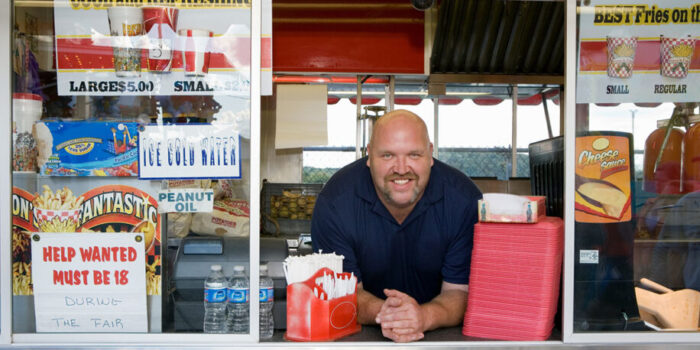
With this initiative, the municipalities want to bring about structural changes in the food supply; they are supported in this by various ministries and, at local level, by sports associations, property developers, community centres and welfare organisations. They are examining what is legally possible when it comes to refusing permits for new snack bars or businesses selling unhealthy food, so that structural changes can be made.
No more Big Mac during the long school break
Simone Kukenheim, Amsterdam’s alderman for healthcare, says it is bitter that snacks and sweets can be bought on almost every street corner; “this does not help young people eat healthily”. She argues that fast-food sales should no longer be permitted near schools.
An apple or a sour candy strip
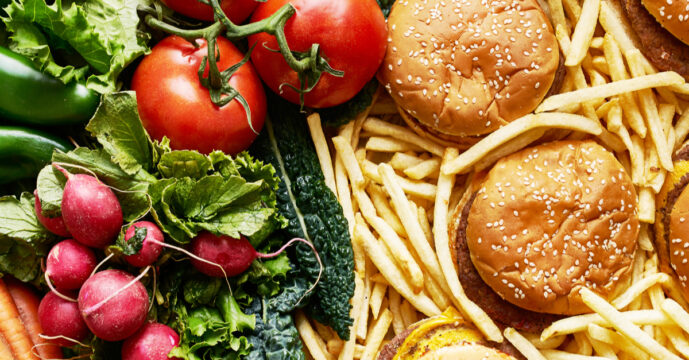
And this does not seem like an unnecessary call: one in eight children in the Netherlands was overweight in 2018; in some Amsterdam districts, the figure was almost 25%. Being overweight as a child increases the risk of developing cardiovascular disease, diabetes and mental health problems later in life. Multiple parties continue to make an urgent appeal to the government: please make healthy food more readily available and much more affordable; it makes no sense that sugar and sweets are now cheaper than they were ten years ago, while the price of fruit and nuts, for example, has risen sharply.
“Further-reaching agreements must be made on, among other things, a sugar tax, lower taxes on fruit and vegetables and the development of spatial planning tools that would allow municipalities to better influence the availability of healthy food near schools,” Kukenheim said in Het Parool.
Read also:
- It has been scientifically proven: you buy healthier groceries with a shopping trolley
- Of all crisps, plain crisps are the least unhealthy
- Baking in an Airfryer: is it really that healthy?
Source: Het Parool


