



Cooking Japanese rice? Here’s how to do it perfectly
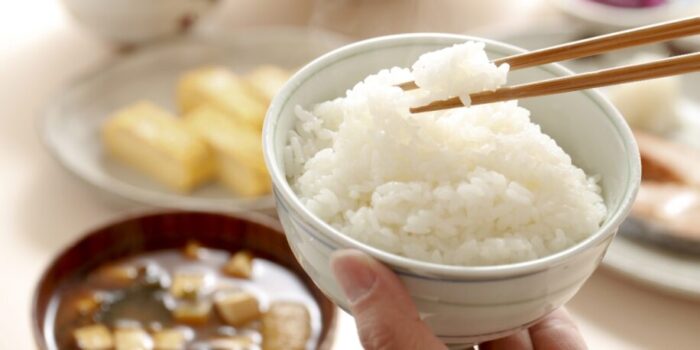
The road to perfect rice is paved with failures: from chalky grains and pasta cooked to mush to scorched bottoms. But it doesn’t have to be that way! Cooking Japanese rice may be more difficult than preparing potatoes, but it’s certainly easier than baking bread. Discover the best tips from Tim Anderson, author of the book Vegan JapanEasy, for cooking delicious rice.

How to cook perfect rice: tips from Tim Anderson
A while ago, someone asked on Twitter: ‘Which dish do you always manage to ruin?’ And many (professional, skilled) cooks answered: RICE. Preparing Japanese rice is even more difficult because it is steamed rather than boiled, which means the timing and quantities have to be a little more precise. But once you get those right, it’s actually very easy.
Huh, sushi rice?
If you buy Japanese rice, you will probably come across ‘sushi rice’. This is simply Japanese rice with the wrong name. Sushi rice is not a type of rice; it is Japanese rice that is cooked and seasoned in a particular way when it is used to make sushi. I don’t know why so many brands give it such a confusing name, but there you have it.
Buying Japanese rice
You’re better off buying Japanese rice at an Asian supermarket if you get the chance, because it is much cheaper there. You need a pan with a well-fitting lid. Or a rice cooker! By the way, if you have a rice cooker, ignore this recipe and follow the instructions.
Here’s how to do it
For 4 small portions or 2 to 3 large portions, you need 300 g Japanese rice and 390 ml water. You need approximately 75 grams of rice per person – or 100 grams if the rice is the main ingredient (as with fried rice or rice bowls), but if you are making rice balls or don’t have much of an appetite for carbohydrates, 50–60 grams per person is enough.
It is better to weigh the quantities – scales are more accurate than measuring by volume, and you can weigh everything directly in the pan.
Massage the rice grains
Weigh the rice in the pan and wash it: fill the pan with water, move the grains through the water, gently massaging them as you do so, then pour the water out of the pan. Repeat this three or four more times. This removes excess starch, which would make the rice sticky (starch is essentially rice flour, so when you cook it, it turns into a kind of glue).
Pour the measured amount of water into the pan and stir briefly so that the rice is distributed in an even layer over the bottom. If you have time, soak it for 15 to 30 minutes; this helps the rice cook evenly. Don’t have time? No problem – the unsoaked rice will still be delicious.
Stir occasionally
Place the pan uncovered over high heat and bring to a boil. If you have an induction hob, cook the rice over medium heat at first; on high heat, an induction hob is too fast and intense, causing the rice to stick to the bottom and burn almost immediately. Be careful and bring the water to a slow boil; stir occasionally to make sure the grains don’t burn. Put the lid on the pan and turn the heat down – perhaps not all the way, because the water needs to keep boiling, but fairly low.
You should be able to hear the rice cooking, and steam should be coming out from under the lid. If you can’t see this, turn the heat up slightly. Set the timer for 15 minutes and let the rice steam. Don’t lift the lid to check on the rice – it will be fine!
Don’t dig and scoop
When the timer goes off, turn off the heat and separate the rice grains with chopsticks or a fork. Use the cut-and-fold method instead of the dig-and-scoop method so you don’t mash the grains. Put the lid back on the pan and wait 5 to 10 minutes so the rice can continue cooking in the residual heat and loosen from the bottom of the pan. Separate the grains once more, serve and enjoy!
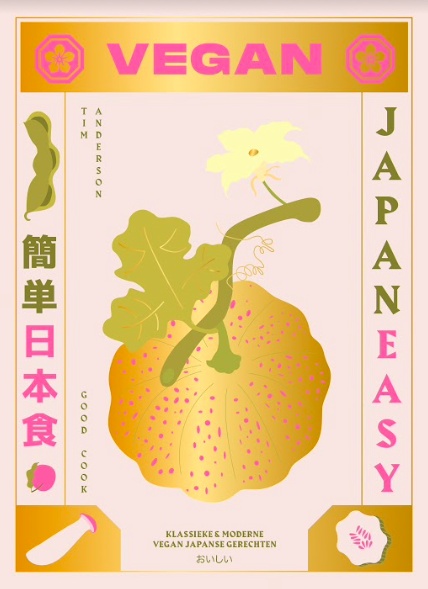
Title: Vegan JapanEasy
Author: Tim Anderson
Price: €25,95
Publisher: Good Cook
Also read:


