



Different types of seaweed
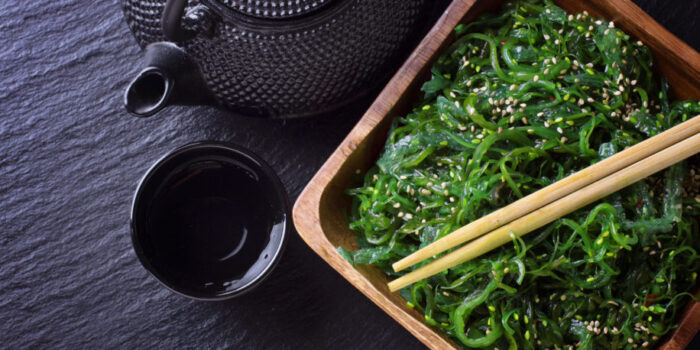
Seaweed is a superfood. According to the fit girls and guys because it’s so healthy, but for us mainly because it adds umami to your dishes. Did you know it even has an aphrodisiac effect? But which type do you use for what? We’ve listed them for you.

Nori
What is it? Nori is dried seaweed that has been pressed into sheets. It is made in the same way as paper: finely ground seaweed pulp is flattened and dried into thin sheets.
How do you use it? Nori is mainly used to roll sushi in. Because the sheets have a beautiful shine, they are particularly suitable for this, as well as for decorations. You can also cut or snip them into thin strips to garnish your salads, soups and noodle dishes. A bowl of ramen is also not complete without a few sheets of nori on top.
Kombu or kelp
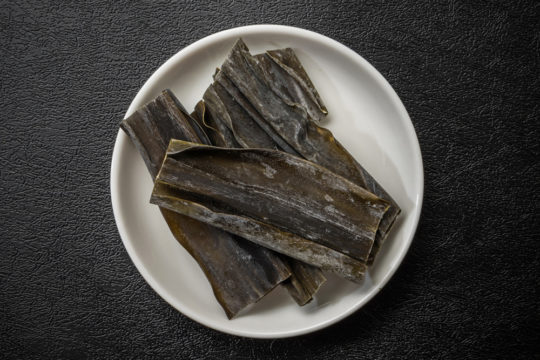
What is it? Kombu is a natural flavor enhancer with a powerful, spicy flavor. It grows on rocky seabeds in cold, calm seas. The seaweed is usually two to five meters long and is dried for twelve to twenty months.
How do you use it? In China and Japan, kombu is eaten as a vegetable and used in many different dishes. Together with bonito flakes (dried, smoked and fermented tuna), it is the main ingredient in dashi, a typical Japanese clear broth. When you say kombu, you say umami.
Wakame
What is it? Wakame is an annual brown seaweed and is also known as Japanese kelp or curly weed. It originally comes from Japan. You probably know it from the all-you-can-eat sushi restaurant, where it is the perfect refreshing snack alongside a pile of iceberg lettuce.
How do you use it? Wakame is available in two varieties. You are probably familiar with the supermarket version: Japanese seaweed salad. The wakame in this salad has already been soaked and often comes with a dressing. Besides this salad, wakame is also available dried at Asian grocery stores; you then need to soak it yourself. This is very easy to do in lukewarm water. The seaweed is perfect in a salad or in ( miso) soup and gives your dish a sweet flavor.
Hijiki or hiziki
What is it? Hijiki is black and at first glance looks like black, soaked tea leaves. Hijiki has a nutty flavor with a mild licorice taste. In terms of texture, it resembles chewing gum and has a firm bite.
How do you use it? First soak your hijiki in warm water for 10–20 minutes, then cook it for another 30–40 minutes. Once it is soft enough to eat, it is a great ingredient for salads, stews or soup. For example, try this swordfish with seaweed salsa verde.
Dulse
What is it? Dulse is a red seaweed that is particularly popular in Ireland. It is sold in flake form and is red, so it is easy to recognize. Dulse is extremely salty and is often used as an alternative to regular table salt.
How do you use it? Add dulse to your soup and stir-fries. Or toast it in your oven for a crunchy snack. In Ireland, it is often served in the pub as a snack with your Guiness.
Arame
What is it? Arame is a brown seaweed and is very popular in Japanese cuisine. You usually find it in thin strips with a crunchy texture. Arame is an extremely suitable seaweed for beginners because of its mild, almost sweet flavor.
How do you use it? Soak it until soft. Then use it in dishes without cooking it. Arame is a fantastic combination, especially with onion and carrot.
Sea lettuce
What is it? Even though it looks like it, sea lettuce is not related to regular lettuce. It grows in the sea all over the world, including the North Sea and the Wadden Sea.
How do you use it? Roast it in the oven at 95 degrees and sprinkle it over a dish that could use some freshness and salt. You can also try deep-frying it or grilling it in the oven as a snack.
Also read:


