



How to: stir-fry
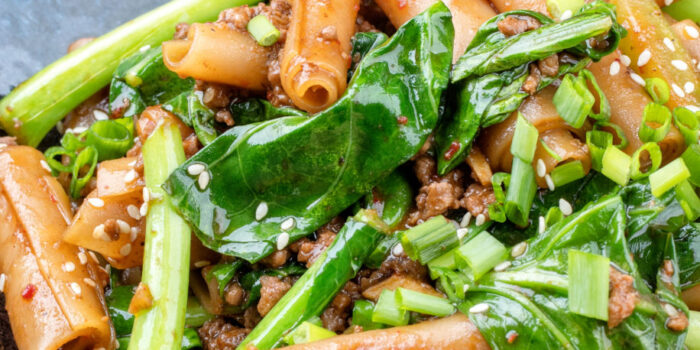
Tossing a bag of stir-fry vegetables with a ready-made sauce and some noodles into the wok was fun when you were a fresh-faced student, but anyone who really wants to put a delicious stir-fry on the table will have to make a little more effort. Stir-frying isn’t difficult; it mainly requires good planning and some attention. With these tips, all your food will come gloriously out of the pan.

What kind of wok?
We normally always wax lyrical about the most expensive pans, but when it comes to woks, we’re going to give you some very good advice: buy a cheap one at the Asian supermarket. That delicious pad thai from that one stall in Bangkok really didn’t come out of a top of the line wok either. You want one made of metal with a wooden handle, and you really don’t need to spend more than €20.
Also read: Q&A with the guys from Chin Chin Club
Mise en place
Good preparation is half the battle, and with stir-frying it’s even 80 percent of the work. Make sure all your ingredients are ready before you turn on the heat. Put the ingredients that can go into the pan at the same time in the same bowl. Ginger, garlic and chili can always go together, for example, and you should also mix your sauces in advance. This is also the perfect opportunity to work on your cutting technique. You want all the ingredients to cook evenly, so they need to be the same size.
Dry
Make sure all your ingredients are thoroughly dry; otherwise, everything will steam instead of fry. Nobody is waiting for a pile of soggy vegetables.
Choose your oil
Because you use a very high temperature when stir-frying, it’s important that the oil has a high smoke point. Sunflower, peanut, grapeseed and rice bran oil are favorites.
Also read: all the different types of oil in a row
Crank it up
The whole point of stir-frying is that everything is ready in no time in the scorching-hot pan. So turn the heat up high. As soon as you think the pan is hot enough, wait a few more seconds before adding your ingredients.
One at a time
Your marinated chicken thigh takes longer to cook than your finely chopped garlic. That’s why you always cook everything separately and combine it at the end. Fry the meat first, remove it from the pan and set it aside. When cold ingredients go into the pan, the temperature drops, and we don’t want that. So if necessary, cook the meat in batches; everything should lie in a single layer in the pan.
Next, your vegetables and spring onion can go into the pan. Garlic and ginger really only need 30 seconds, so add them later. Push the rest of the ingredients to one side so you have room to stir-fry them. Add the sauce right at the very end.


